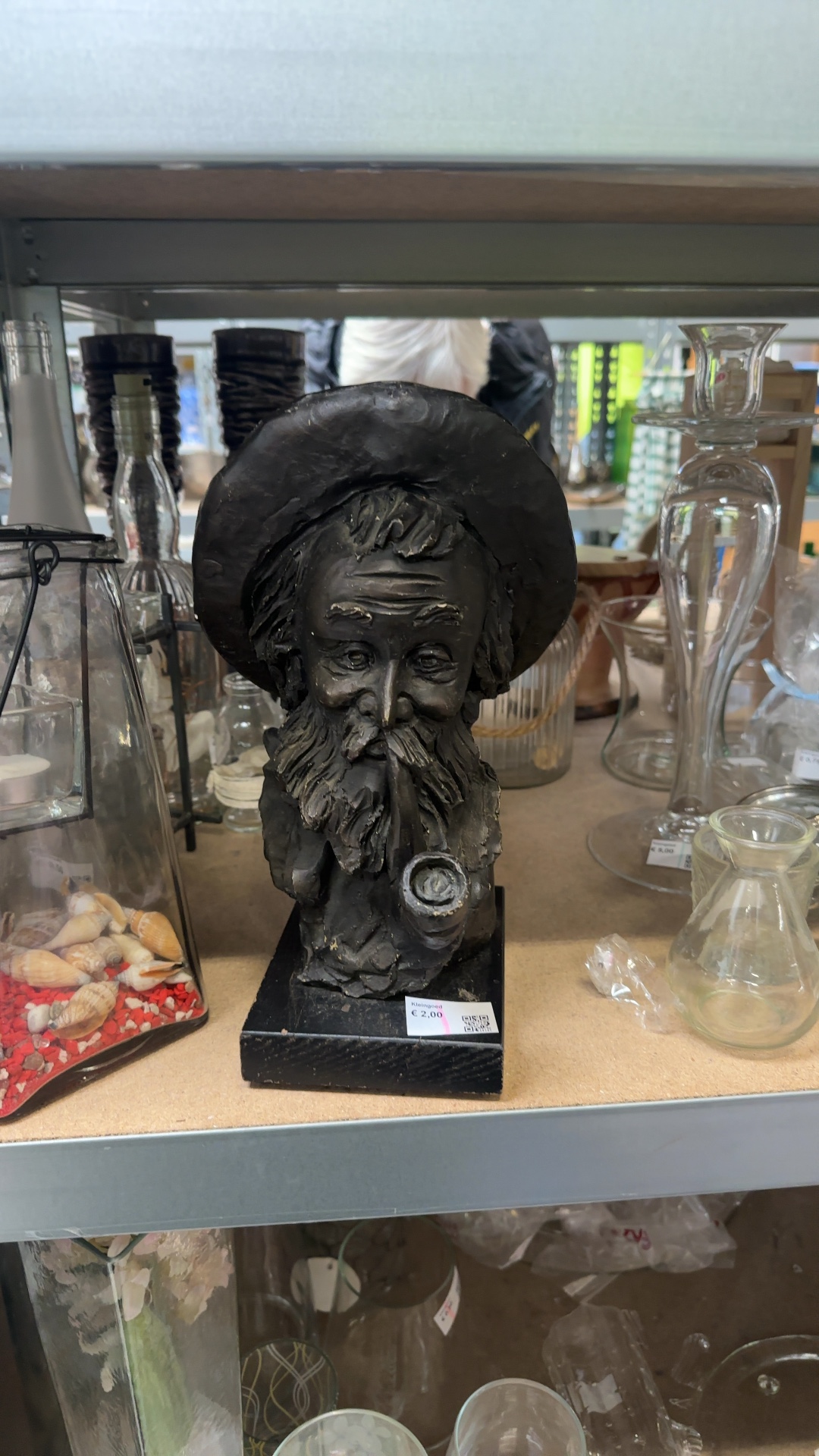
Bust of a Bearded Man with Pipe
Estimated value
$10 - $30Rarity
Ordinary(3/10)Category
Decorative ObjectsEra
Mid-20th Century to Late 20th Century (1950s-1980s)Origin
🌍 InternationalAuthenticity
BUST OF A BEARDED MAN WITH PIPE: IDENTIFICATION
This appears to be a decorative bust, likely cast in a composite material, depicting a bearded man wearing a broad-brimmed hat and smoking a pipe. The detailing on the beard, hat, and facial features suggests an attempt at textural realism, but the overall execution indicates a mass-produced item rather than a fine art sculpture. The dark, uniform finish gives the impression of bronze or patinated metal, though it is quite probable it's resin or a similar material.
Compare with other decorative pieces in the archive: Mid-Century Modern Abstract Stone Sculpture on Marble Base, Amber Pressed Glass Tray - Starburst Pattern, Wall-Mounted Barometer and Thermometer.
SCARCITY
Standard antiques commonly found at estate sales and flea markets. Plentiful supply meets modest demand.
Rarity 3/10. Curiosa currently catalogues 30 decorative items at rarity 3 or higher.
Typical Characteristics
- Moderate production runs
- Common at estate sales
- Entry-level collectibles
Confidence Factors
- This is a common decorative item type with no high-value attributes that would incentivize forgery.
- The material and style are consistent with typical mass-produced decorative objects of its era.
DECORATIVE ARTS EXPERT'S TAKE
Decorative Arts Specialist
My confidence is good as the visual characteristics strongly suggest a mass-produced decorative bust from the mid-to-late 20th century, likely made of resin or a similar composite. The primary uncertainty is the exact material without direct handling.
KEY EVIDENCE
- 1The uniform dark finish suggests a composite material rather than true bronze or painted ceramic.
- 2The level of detail in the casting indicates a mold-made, likely mass-produced item.
- 3The style of the hat and beard aligns with mid-20th century decorative arts trends.
- 4No visible maker's marks or signatures, which is common for such decorative items.
WHAT WOULD IMPROVE CERTAINTY
- →Examine the base for any mold marks, date codes, or manufacturer stamps.
- →Perform a 'tap test' to gauge hollowness and material density (a plastic or resin tap will sound different from ceramic or metal).
- →Inspect the underside for any signs of mold lines or seams, indicative of casting processes.
CONDITION & GRADE
Condition
The bust appears to be in relatively good condition for its age and type, showing some general surface wear and perhaps a bit of dust. There are no obvious chips, cracks, or repairs visible from the provided images.
DECORATIVE ARTS VALUATION
Updated: Feb 27, 2026
- Market comparables from auctions & retail
- Condition, completeness & craftsmanship
- Current collector demand & trends
- Low = quick sale, high = patient seller
For informational purposes only, not a formal appraisal.
SIMILAR CURIOSITIES
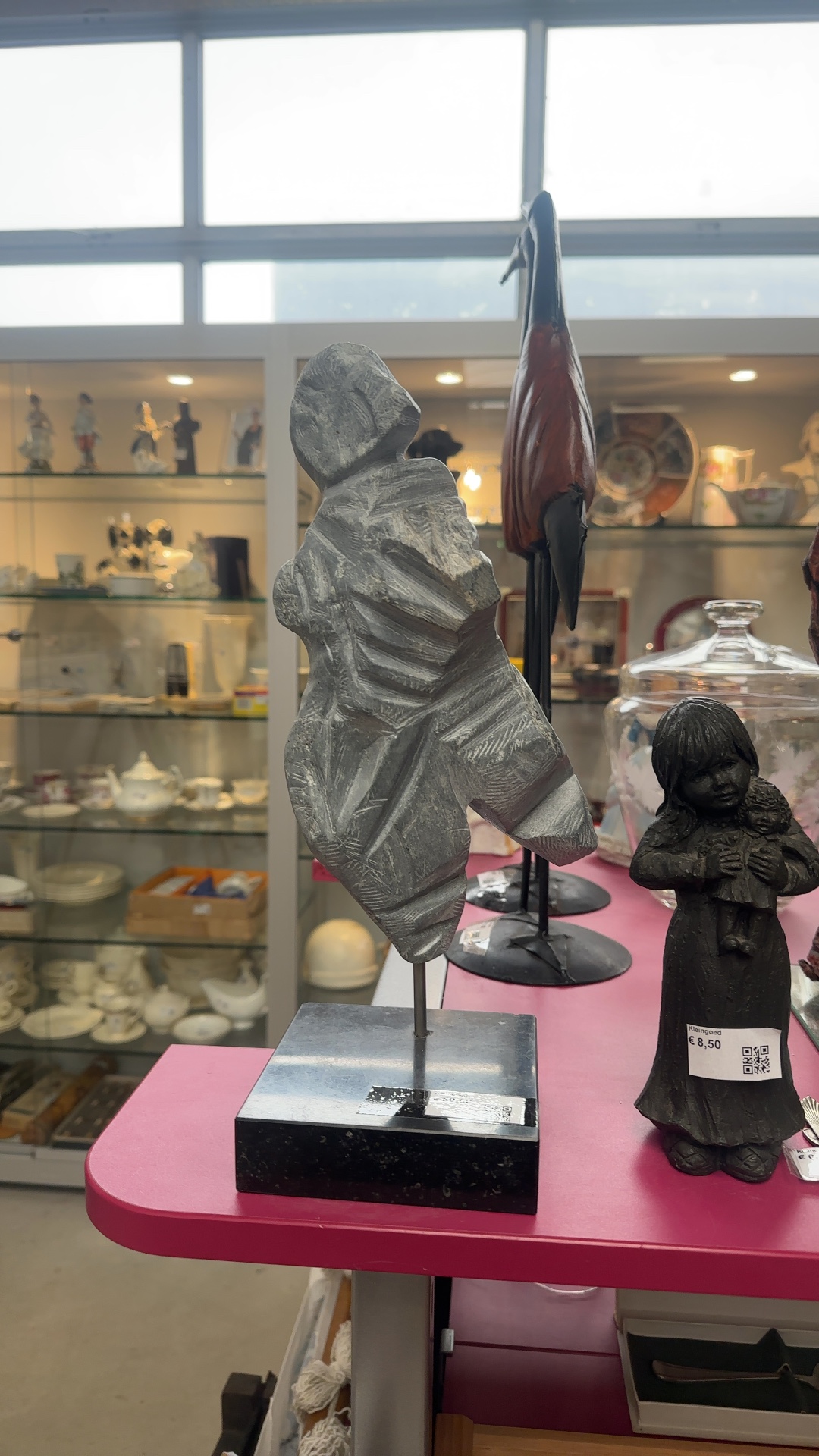
Mid-Century Modern Abstract Stone Sculpture on Marble Base
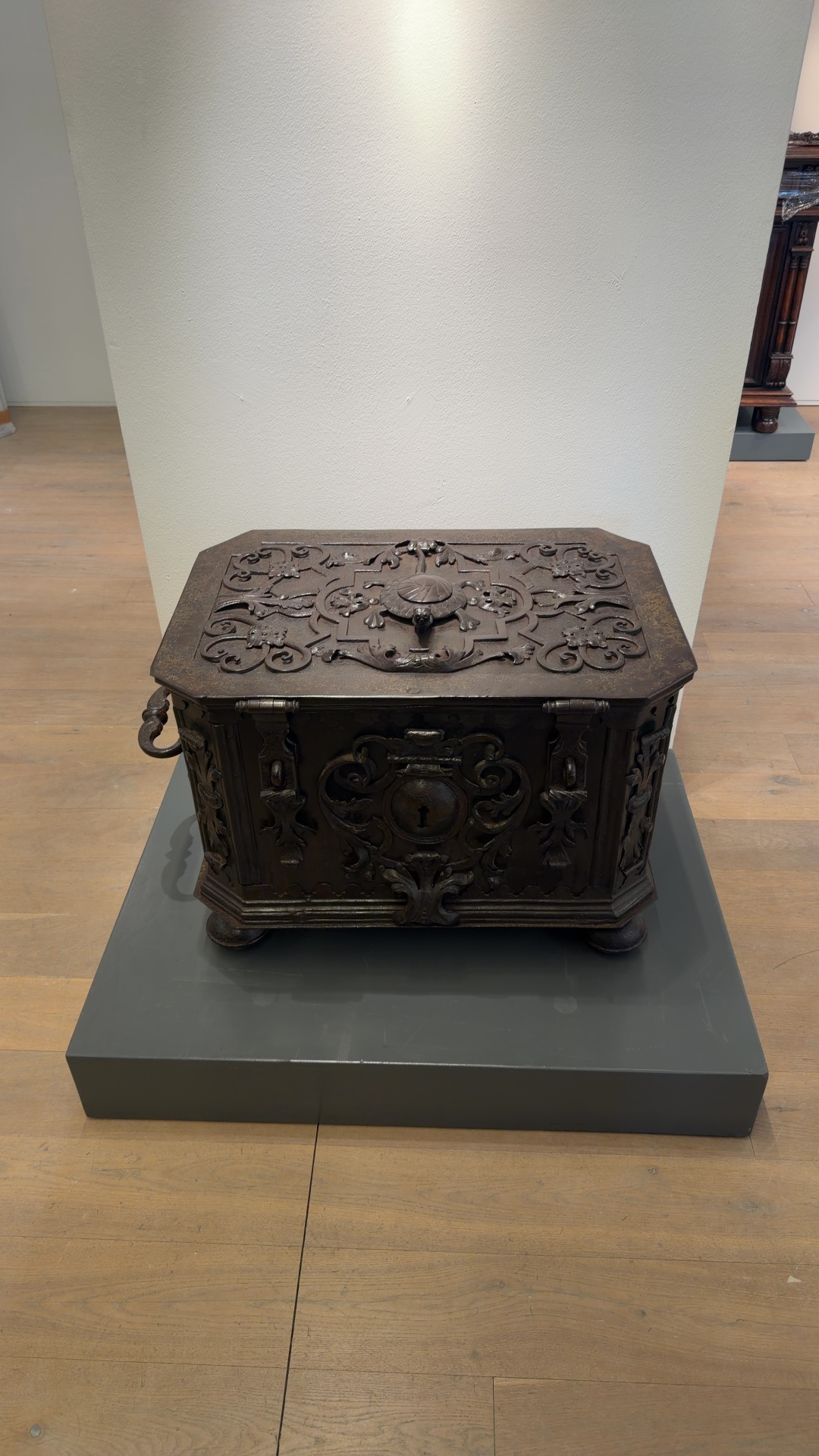
German Renaissance-Style Pierced Iron Strongbox
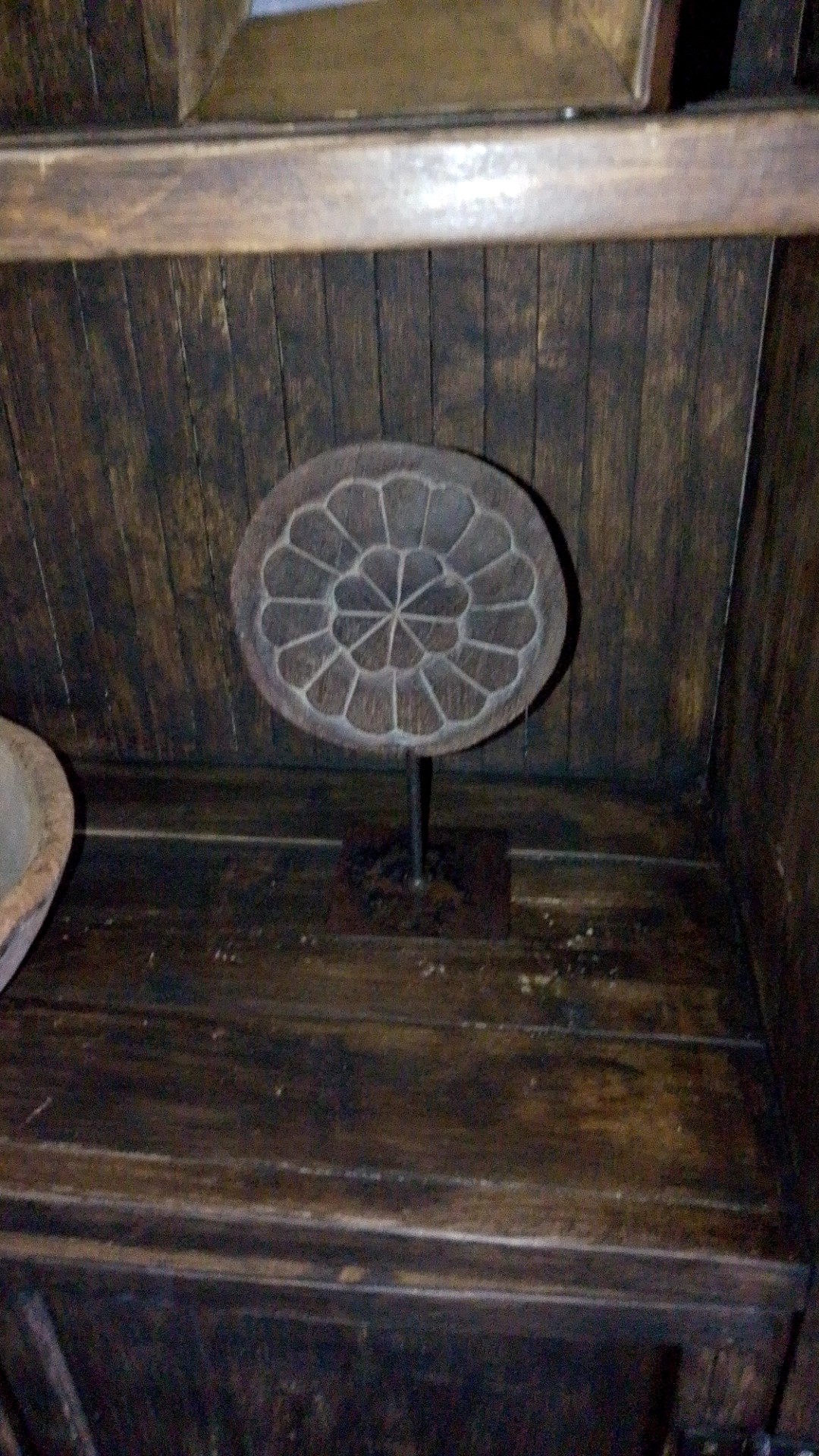
Carved Wood Display Plate on Metal Stand
Bronze Mortar and Pestle with Armorial Decoration
Dutch or German Wall Clock (Laterndluhr Style) with Painted Dial
Octagonal Cut Glass Scent Bottle with Gilt Metal Mount
ABOUT DECORATIVE OBJECTS
Silver, glassware, metalwork, enamelwork, and decorative arts.
Decorative Objects value and rarity guideSHARE THIS CURIOSITY
Have your own curiosities to discover?
Scan Your Curiosity
COMMENTS
No comments yet. Be the first to share your thoughts!
Sign in to leave a comment