Alabaster Urn-Shaped Vase
QUICK FACTS
Categories
Era
Mid-20th Century
Origin
🌍 International
Rarity
Ordinary (3/10)
Discovered
Jan 31, 2026
4 weeks ago
DESCRIPTION
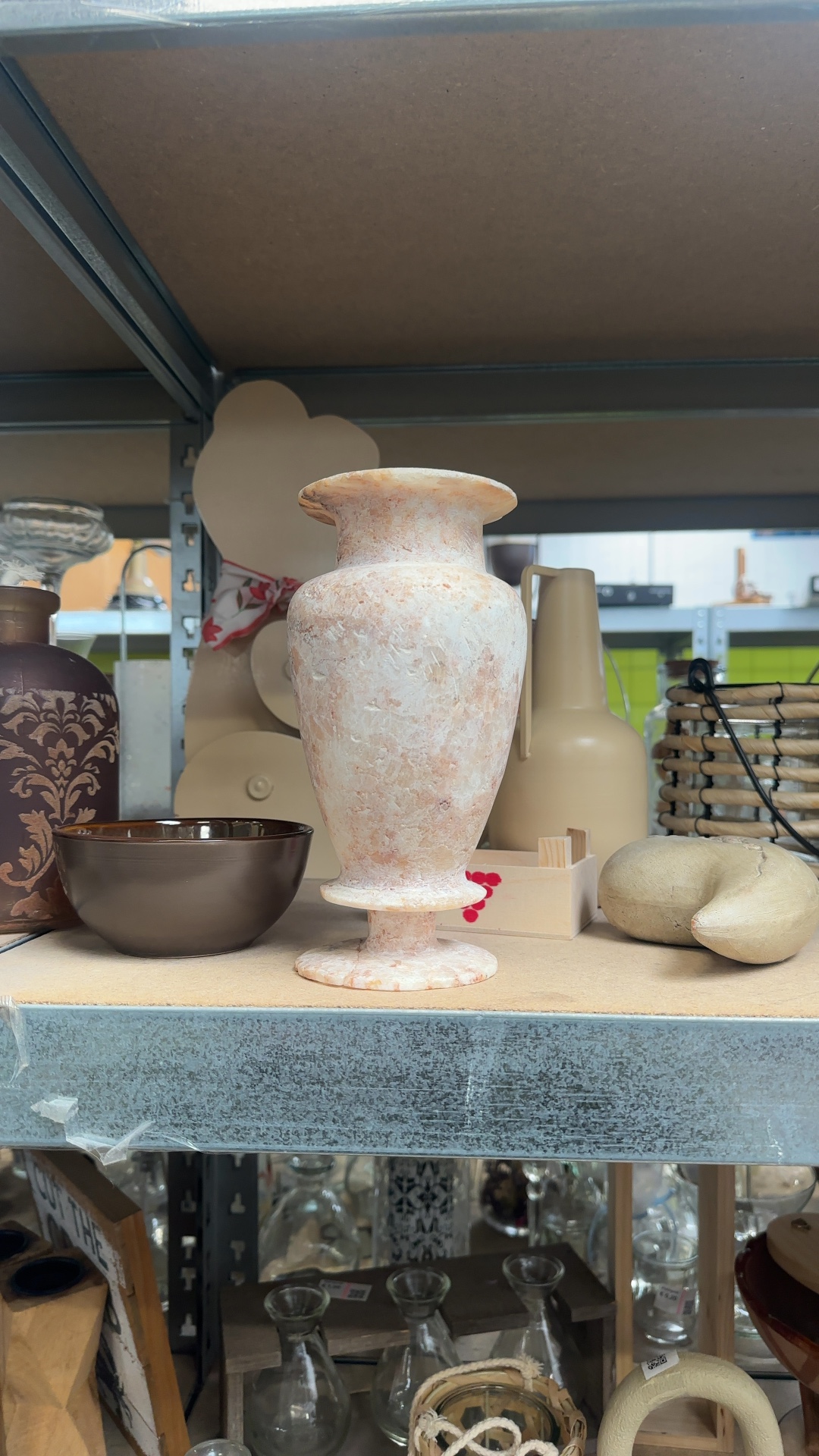
This appears to be an urn-shaped vase carved from alabaster, exhibiting the characteristic translucent creamy white to pale orange-pink coloration with natural veining and textural variations inherent to the material. The form is classic, with a flared rim, a tapering body, and a footed base, suggesting inspiration from classical antiquity. The carving exhibits a somewhat rustic, yet pleasing, uneven finish, allowing the natural properties of the stone to take center stage.
CULTURAL ECHOES
Where This Object Echoes
The urn shape and material echo vessels used in ancient Egypt, Greece, and Rome for storing various substances or as funerary urns.
The revival of classical forms and materials, such as alabaster, was a hallmark of Neoclassical and later Empire styles in decorative arts.
Ritual & Ceremonial Use
- •Displaying decorative objects in the home to reflect cultural taste and aesthetics.
- •Symbolic use in memorial or commemorative settings, though this particular piece appears to be a general decorative item.
Meaning Through Time
Vessels for storing precious oils, perfumes, or funerary ashes, valued for material and craftsmanship.
Primarily decorative items, valued for classical form and the subtle beauty of the natural stone, often associated with refined interiors.
HISTORICAL STORY
DID YOU KNOW?
Alabaster is a soft mineral, typically a form of gypsum or calcite, which made it easy for ancient artisans to carve intricate details, but also makes it susceptible to scratching and water damage.
The translucency of alabaster means that thin sections of the stone can allow light to pass through, giving it a soft, inner glow, especially when used in lamps or decorative screens.
MATERIAL & CONDITION
Surface
The surface is matte with a slightly rough, granular texture typical of carved stone that hasn't been highly polished. The natural veining of the alabaster is visible, presenting as subtle streaks and patches of white and pale pinkish-orange. There is a general scuffed or patinated appearance, consistent with age and handling.
Weight & Feel
Given its size and material, it would likely feel substantial and dense, heavier than a ceramic or glass vase of similar dimensions, but certainly not as heavy as marble.
Condition
The vase appears to be in relatively good, albeit used, condition. There are no immediately obvious large chips or cracks, which is a common concern with alabaster. However, the surface does show some wear, including minor scuffs and marks, which could be consistent with age and light use. A closer inspection would be needed to detect any subtle repairs or water staining.
RARITY ANALYSIS
Standard antiques commonly found at estate sales and flea markets. Plentiful supply meets modest demand.
Typical Characteristics
- Moderate production runs
- Common at estate sales
- Entry-level collectibles
EXPERT ANALYSIS
Decorative Arts Specialist
Confidence is high due to the clear visual identification of alabaster and its typical carving style for a decorative vase. The form and material are consistent, making the object's general identity straightforward, though specific dating is approximate without marks.
KEY EVIDENCE
- 1Material identifiable as alabaster by its characteristic color, translucency (implied), and veining.
- 2Carved, urn-like form is a common decorative motif for stone vessels.
- 3Surface texture appears consistent with a hand-carved, minimally polished stone object.
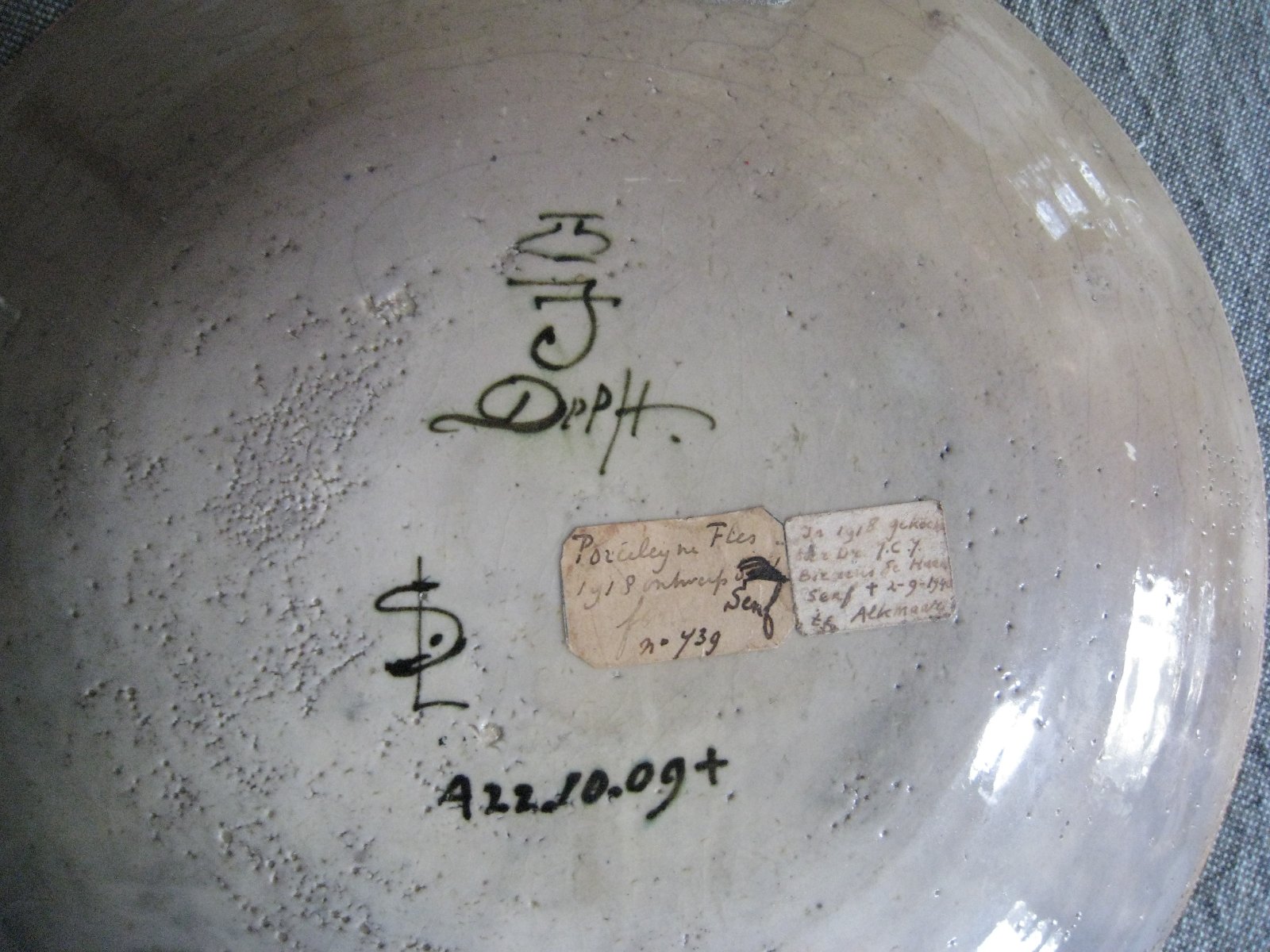
- 4Lack of discernible maker's marks, common for this type of decorative item.
UNCERTAINTIES
- •The exact variety of alabaster is difficult to determine without a more detailed image.
- •Presence of hidden repairs or water staining cannot be ruled out without closer inspection.
WHAT WOULD IMPROVE CERTAINTY
- →Inspect the base for any maker's marks, labels, or inscriptions.
- →Carefully examine the surface under magnification for any hairline cracks or evidence of restoration (e.g., glue lines, filler).
- →Perform a UV light test to detect potential repairs or fills that might not be visible to the naked eye.
- →Check for any signs of water damage inside the vase, which is common for porous alabaster if it was mistakenly used for fresh flowers.
ESTIMATED VALUE
Updated: Feb 27, 2026
- Market comparables from auctions & retail
- Condition, completeness & craftsmanship
- Current collector demand & trends
- Low = quick sale, high = patient seller
For informational purposes only, not a formal appraisal.
ABOUT DECORATIVE OBJECTS
Ceramics, silver, porcelain, glassware, and decorative arts.
Browse all Decorative ObjectsSHARE THIS CURIOSITY
Have your own curiosities to discover?
Scan Your Curiosity
COMMENTS
No comments yet. Be the first to share your thoughts!
Sign in to leave a comment