Jordan Sullivan - 'The Wonders, #1141', Archival Pigment Print
Estimated value
$150 - $450Rarity
Uncommon(5/10)Category
PhotographyEra
c. 2015-2020Origin
United StatesArtist / Creator
Jordan SullivanAuthenticity
JORDAN SULLIVAN - 'THE WONDERS, #1141', ARCHIVAL PIGMENT PRINT: IDENTIFICATION
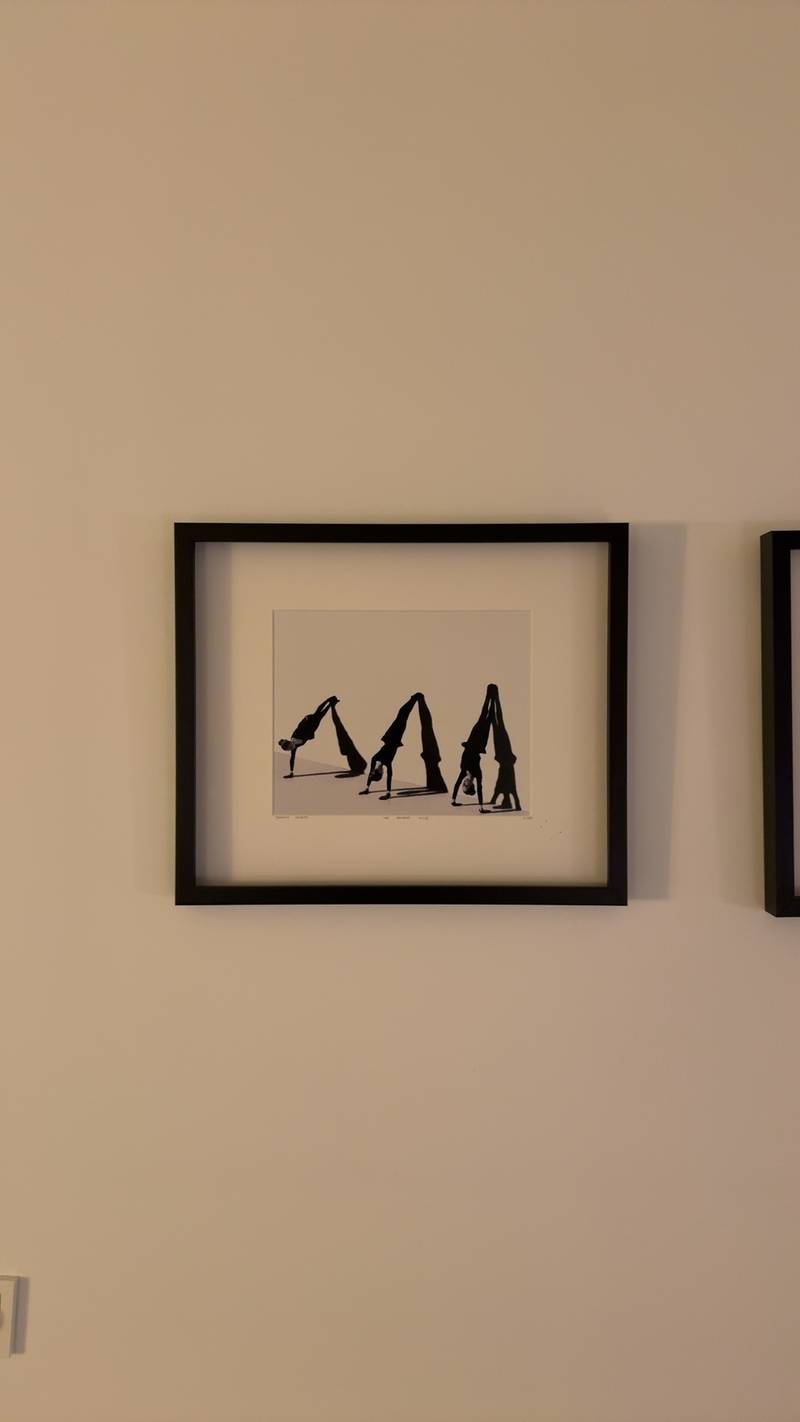
An archival pigment print featuring a high-contrast monochromatic composition of three gymnastic or dance figures in handstand-bridge positions. The figures cast elongated, sharp shadows onto a tilted plane, creating a rhythmic, geometric silhouette effect. The work is signed, titled, and numbered in pencil along the bottom margin, characteristic of contemporary limited-edition photography.
PRINT & PROCESS HISTORY
Created by American artist Jordan Sullivan (b. 1983) as part of 'The Wonders' series, which explores figures in landscape or minimalist environments to evoke a sense of fleeting time. Sullivan's work has been exhibited at the Tokyo Center for Photography and the Houston Center for Photography since 2010.
SCARCITY
Genuine antiques with fewer examples on the market. Named makers, documented provenance, or early production examples.
Typical Characteristics
- Limited production
- Named makers
- Growing collector demand
Confidence Factors
- Correct pencil signature and titling format consistent with Sullivan's known editions
- Style and numbering (e.g., #1141) align with 'The Wonders' series catalog
PHOTO HISTORIAN'S TAKE
Museum-Trained Art Historian
Identification is highly stable due to clear legible pencil inscriptions identifying both the artist and the specific series title, which is well-documented in the secondary art market.
KEY EVIDENCE
- 1Pencil signature 'Jordan Sullivan' visible on bottom left
- 2Series title 'The Wonders' noted in bottom center
- 3Edition numbering 'No. 1141' or similar inventory mark on bottom right
- 4High-contrast black-on-white palette typical of archival pigment printing
UNCERTAINTIES
- •Potential for light-damage if not printed with UV-resistant inks (standard for archival pigment, but unverified without technical sheet)
WHAT WOULD IMPROVE CERTAINTY
- →Remove backing to check for a Gallery Certificate of Authenticity (COA)
- →Verify if the print is from a limited edition (e.g., 2/50) or an open edition
- →Examine edges under a loupe to confirm pigment print dot structure vs. digital inkjet
CONDITION & GRADE
Grading breakdown
Visual inspected through frame; paper corners appear sharp under the matting, no signs of moisture damage, and the ink saturation remains deep without silvering.
Condition
The print appears well-preserved behind glass; no visible foxing, UV fading, or paper waviness is evident. The black wood frame shows sharp corners with no apparent scuffing.
PHOTOGRAPHY MARKET VALUE
Updated: May 11, 2026
Similar sized Jordan Sullivan works from 'The Wonders' series have appeared on Artspace and Subject Art for $200-$500 depending on size and edition.
Who buys this
Interior designers and collectors of contemporary minimalist photography or black-and-white silhouettes.
What increases value
- •Artist's exhibition history
- •Archival quality of the print and frame
- •Popularity of 'The Wonders' series in the boutique art market
What lowers value
- •Non-numbered open editions sell for significantly less than limited-signed editions
- •Fading due to UV exposure
What makes top-tier examples
- •Pencil signature by the artist
- •Low edition number (e.g., 1/25)
- •Original gallery labels on reverse
Grade & condition
Paper acidity/yellowing, ink fading, and mat burn.
Rarity & demand
For informational purposes only, not a formal appraisal.
ABOUT PHOTOGRAPHY
Vintage photographs, daguerreotypes, cameras, and photographic equipment.
Photography value and rarity guideSHARE THIS CURIOSITY
Have your own curiosities to discover?
Scan Your Curiosity
COMMENTS