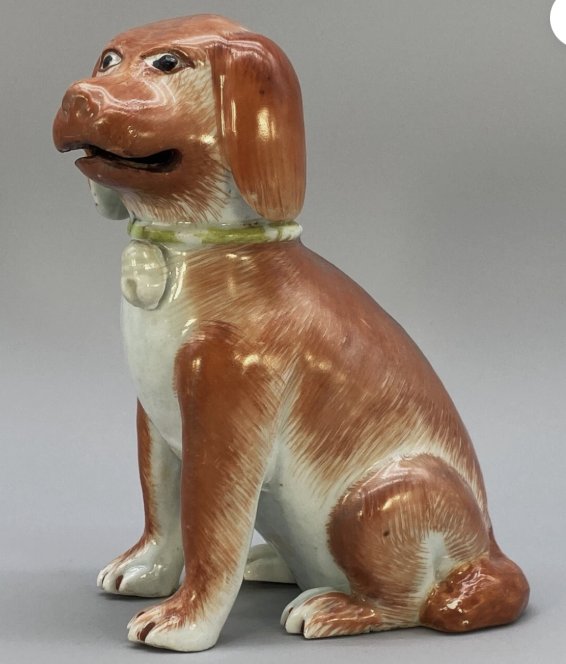
Chinese Export Porcelain Spaniel Figurine
Estimated value
$1,200 - $2,800Rarity
Scarce(6/10)Category
Asian ArtEra
Circa 1740-1780Origin
🇨🇳 ChinaAuthenticity
CHINESE EXPORT PORCELAIN SPANIEL FIGURINE: ORIGINS & SIGNIFICANCE
A seated spaniel figure of hard-paste porcelain, decorated in iron-red wash and 'rouge de fer' enamels. The canine is modeled with an anthropomorphic facial expression, featuring distinct black pupils and heavily outlined lids. It wears a raised green-enameled collar with a molded bell pendant. The fur is rendered with fine, parallel brushstrokes known as 'penciling,' applied over a translucent white glaze that exhibits a slight bluish-green tint characteristic of 18th-century Jingdezhen production.
EASTERN & WESTERN ECHOES
Where This Object Echoes
Directly inspired by Chinese exports, leading to the creation of the famous 'Wally Dug' ceramic spaniels in the 19th century.
Ritual & Ceremonial Use
- •Mantelpiece display in European manor houses as a sign of wealth and connections to the Far East trade.
Meaning Through Time
Exotic luxury and 'Chinoiserie' sophistication.
Highly sought-after specimen for specialized Chinese Export Art collectors.
EASTERN PROVENANCE
EASTERN FOOTNOTES
The iron-red enamel used for the fur is derived from ferric oxide, which required a lower firing temperature in a 'muffle kiln' separate from the high-heat porcelain firing.
During the 18th century, a pair of these spaniels would often cost the equivalent of a month's wage for an average English laborer.
HOW SCARCE IS IT?
Genuinely harder to find. Perhaps only dozens come to market annually. Collectors actively watch for these pieces.
Typical Characteristics
- Dozens per year at market
- Documented provenance valued
- Active collector pursuit
Confidence Factors
- High volume of 19th and 20th-century Samson or Macau reproductions exists
- Specific 'blue-white' glaze tone and footring dirt patterns warrant hands-on inspection
- Extremely crisp enamel borders are occasionally seen on high-quality later copies
ASIAN ART SCHOLAR'S TAKE
Ceramics Historian & Kiln Specialist
Visible paste characteristics and enamel application techniques are highly consistent with late-Qianlong export production, though high-quality 19th-century reproductions necessitate caution without a UV check.
KEY EVIDENCE
- 1Presence of 'penciling' technique in iron-red enamel common in 18th-century Export ware.
- 2Unglazed footring reveals a white, tight, high-kaolin paste without modern grayish tones.
- 3Stylized anthropomorphic eyes with large black pupils typical of mid-Qing export zoomorphic figures.
- 4Glaze exhibits a slight 'muslin' texture and 'pitting' (pinholes) consistent with old kiln conditions.
UNCERTAINTIES
- •The cleanliness of the break on the ear-tip—old breaks usually show deeper graying within the porcelain body.
WHAT WOULD IMPROVE CERTAINTY
- →View the object under long-wave UV light to check for invisible professional repairs to the ears or tail.
- →Weight check: Compare the heft against known authenticated figurines of similar volume (approx 15cm height).
- →Examine the interior through the vent hole (if present) to assess slip-casting vs mid-18th century press-molding.
CONDITION & GRADE
Grading breakdown
Surface remains vibrant with original enamels, but flea bites on extremities and heavy shelf wear on the unglazed base lower the grade from 'Fine'.
Condition
Small chips visible on the ear tips and base edge; minor enamel loss on the green collar. No evidence of spray restoration under current lighting.
Surface
Smooth, high-fired vitreous glaze with visible iron-red penciling; the unglazed footring shows a dry, white, sugary paste with minor iron spotting.
Weight & feel
Approximately 450-600 grams; feels dense and remarkably solid for its size due to the thick porcelain walls.
ASIAN ART VALUATION
Updated: May 6, 2026
Who buys this
Specialist collectors of Chinese Export porcelain and high-end antique dealers focusing on 18th-century decorative arts.
What increases value
- •The 'human-like' expression, which is highly preferred by collectors of Export animals
- •Integrity of the iron-red enamels
- •Rarity of the seated pose compared to more common standing versions
What lowers value
- •Undetected restoration to the ears or tail can reduce value by 50% or more
- •Evidence of being a 19th-century 'Samson' reproduction would lower the value to approximately $200-$400
What makes top-tier examples
- •Large scale (over 20cm)
- •Vibrant gilding remaining on the collar bell
- •Direct provenance from a known 18th-century collection
Grade & condition
Completeness of extremities (ears/paws), vibrancy of 'rouge de fer' enamel, and lack of professional overpainting.
Rarity & demand
For informational purposes only, not a formal appraisal.
CONTEXT ANALYSIS
How your provided context compares with Curiosa.com scanner findings.
What Aligned
- User stated 'Original/Authentic' - visual glaze pooling and paste characteristics align with 18th-century export porcelain standards.
- User stated 'Minor wear' - visible abrasions on the foot and ears are consistent with 250+ years of domestic display.
What Conflicted
- User stated 'Time Period: 1700' - the modeling and palette are more characteristic of the mid-18th century (1740s-1760s) rather than the Kangxi/early 1700s era.
SIMILAR CURIOSITIES
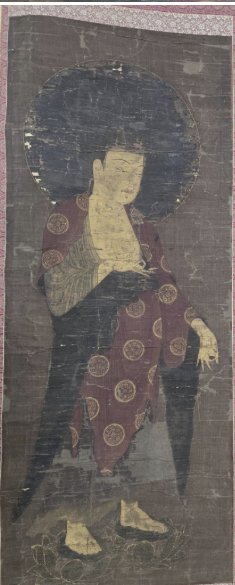
Buddhist Silk Hanging Scroll
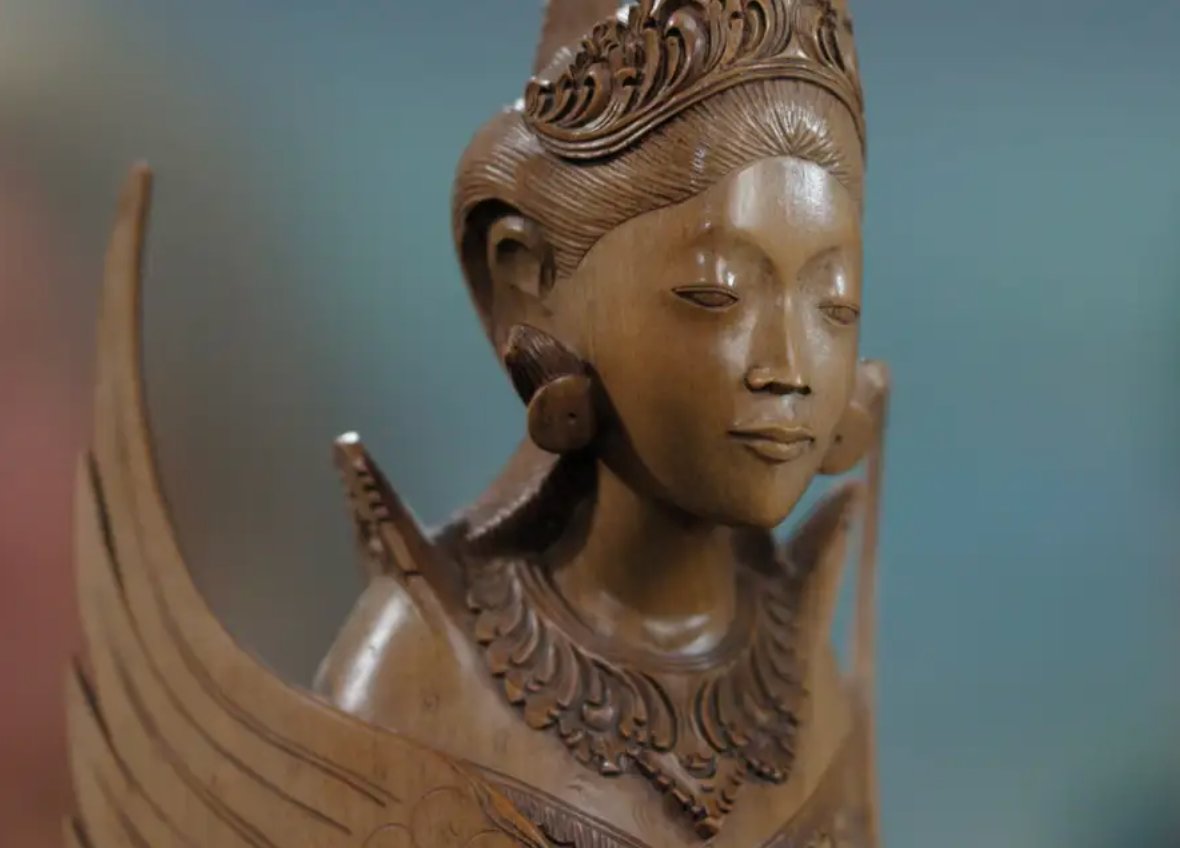
Balinese Art Deco Winged Celestial Figure
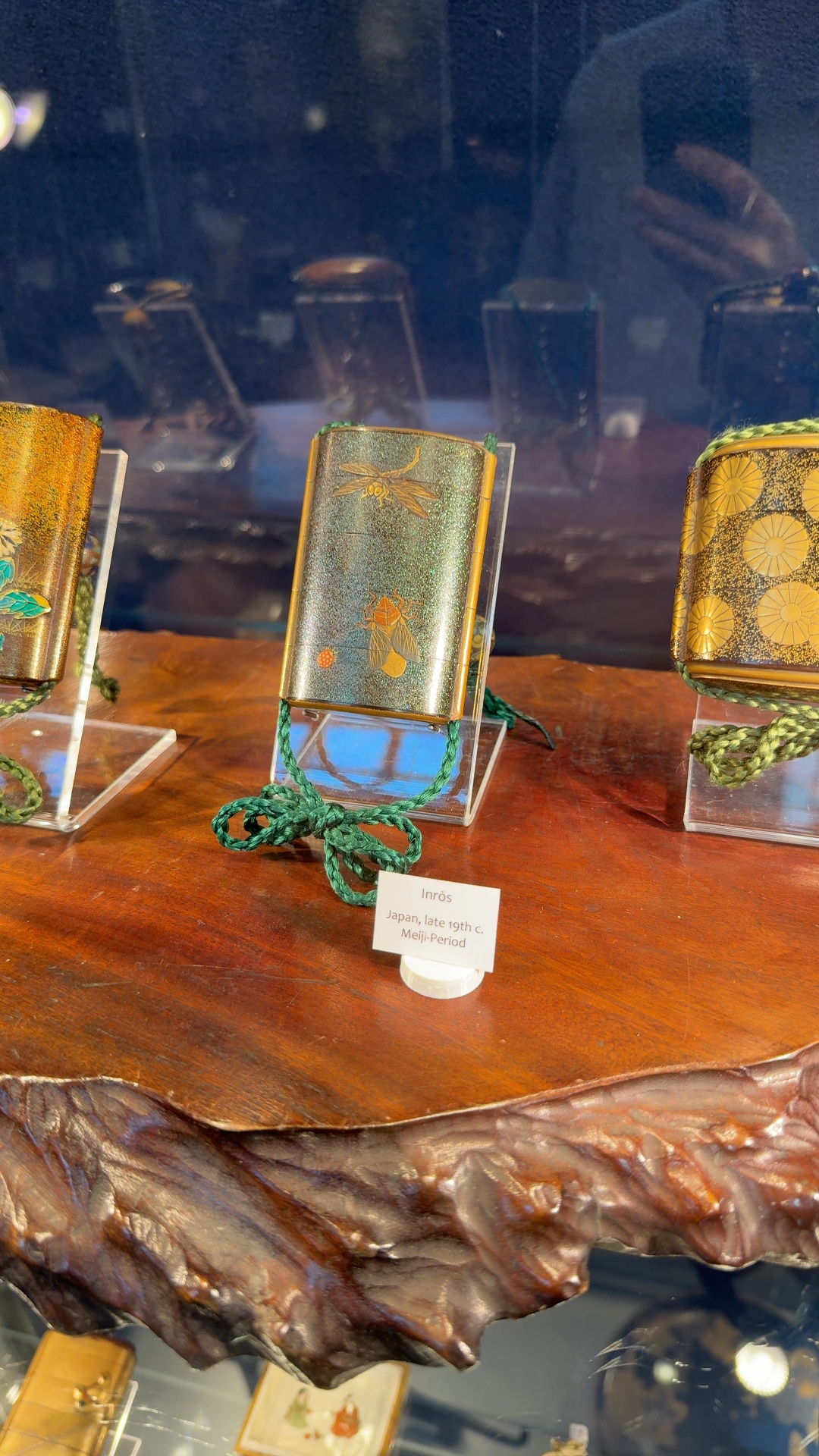
Japanese Lacquer Inrō with Dragonfly and Insect Motif
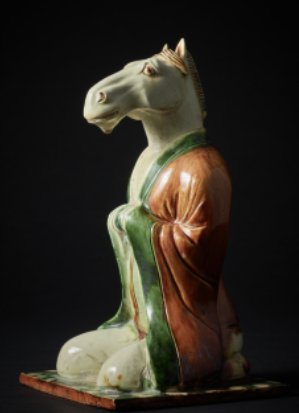
Chinese Sancai-Glazed Zodiac Horse Figure
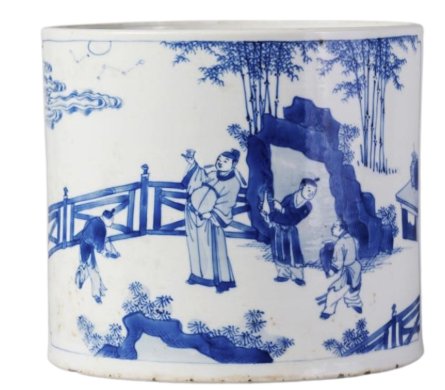
Chinese Blue and White Porcelain Bitong (Brush Pot)
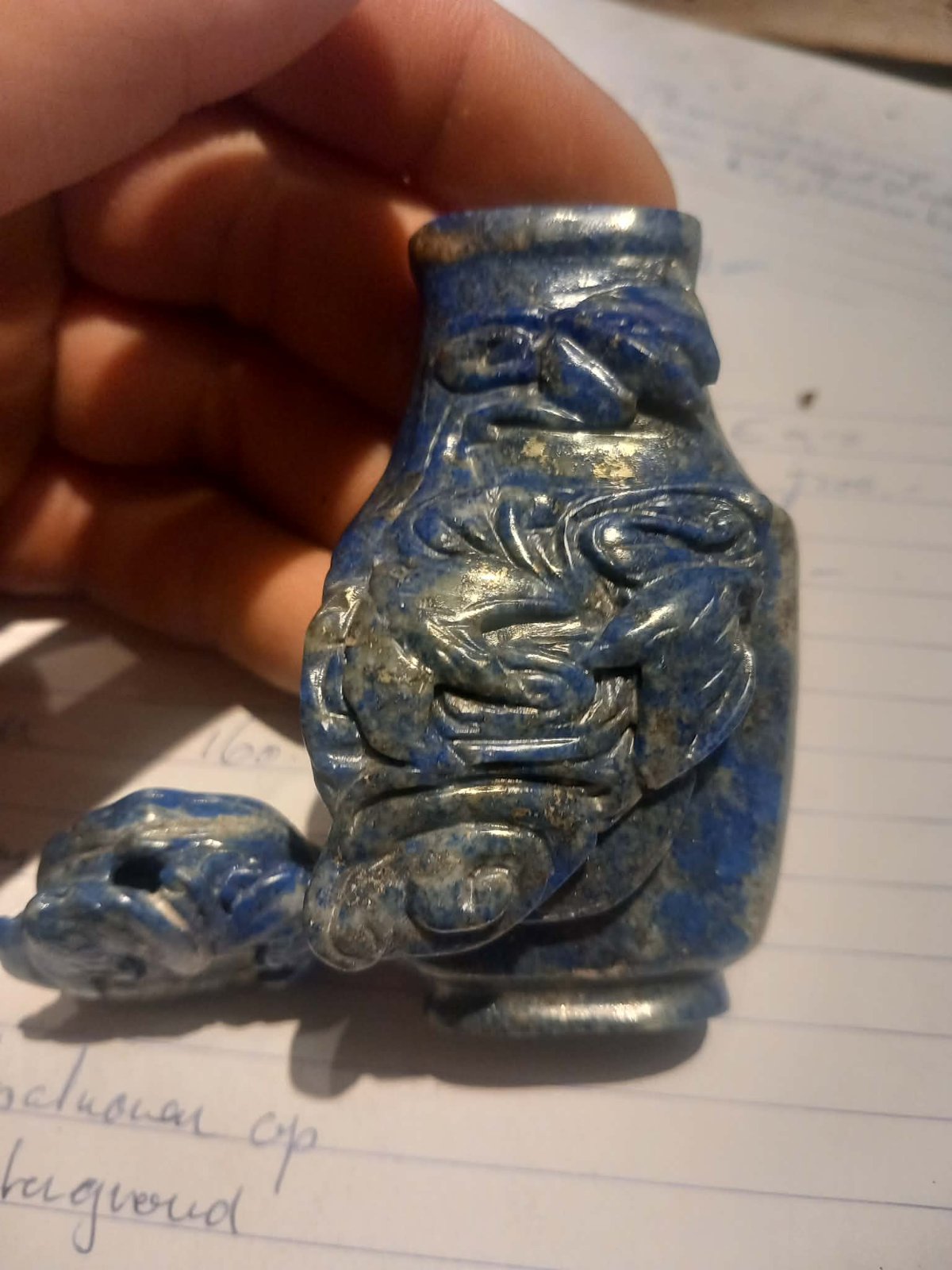
Chinese Lapis Lazuli Snuff Bottle with Carved Relief
ABOUT ASIAN ART
Chinese, Japanese, Korean, and other Asian art and antiques.
Asian Art value and rarity guideSHARE THIS CURIOSITY
Have your own curiosities to discover?
Scan Your Curiosity
COMMENTS
No comments yet. Be the first to share your thoughts!
Sign in to leave a comment