Abstract Expressionist Painting
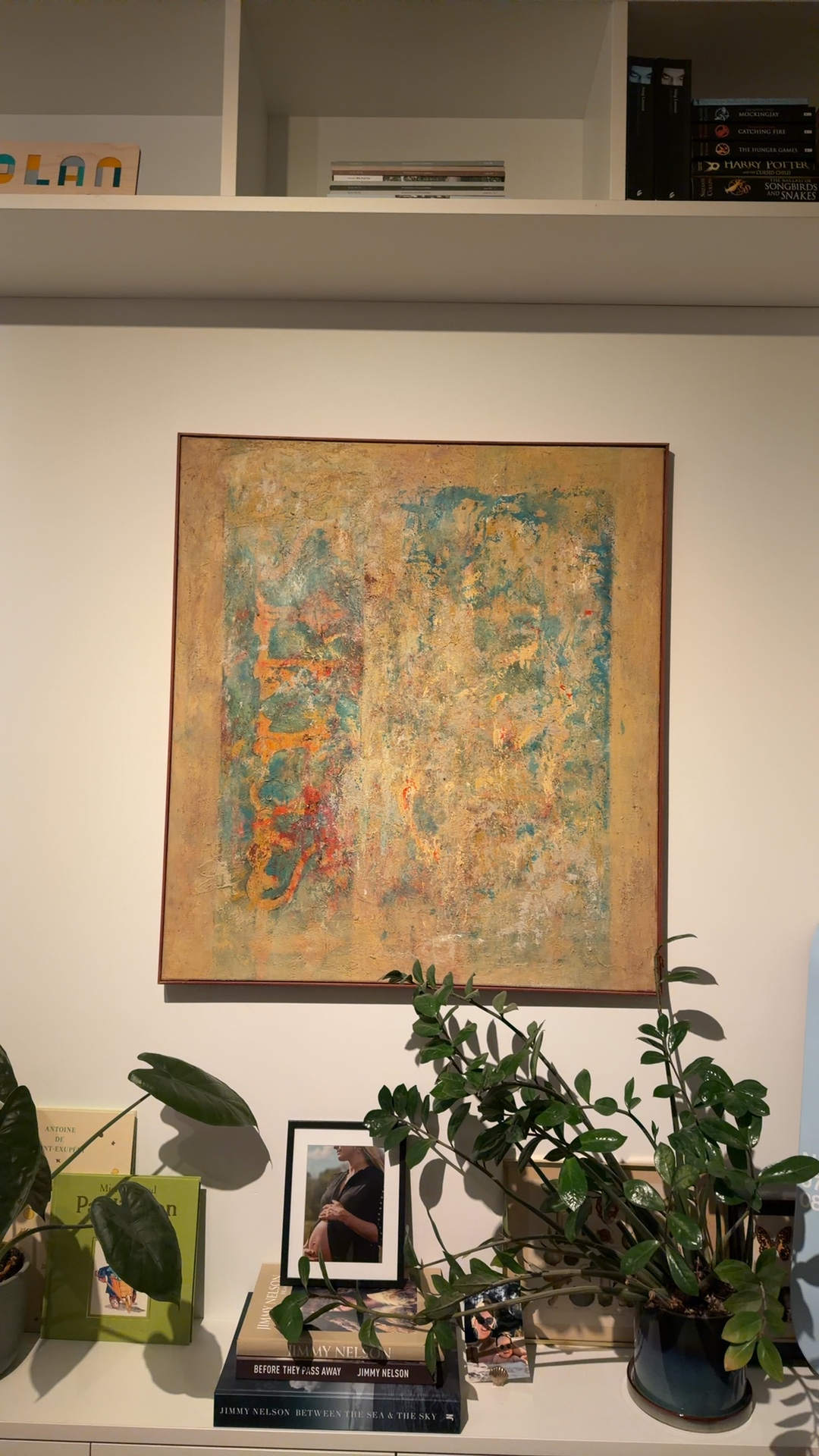
Estimated value
$400 - $1,800Rarity
Average(4/10)Category
PaintingsEra
Mid to late 20th century (c. 1950s-1980s)Origin
🌍 InternationalAuthenticity
ABSTRACT EXPRESSIONIST PAINTING: IDENTIFICATION
This appears to be an abstract painting, executed with a use of impasto and textured surfaces, suggesting a technique akin to Abstract Expressionism or Tachisme. The palette centers on earthy tones—ochre, deep reds, and blues—layered to create a dense, almost archaeological surface. The composition eschews clear figuration, focusing instead on the interplay of color, texture, and gestural marks. The work is unsigned, or the signature is not visible in these images, which limits immediate attribution.
Compare with other paintings in the archive: Surrealist Painting by William Vandenjoc, Abstract Expressionist Landscape Painting, Abstract Gestural Painting on Canvas.
SCARCITY
Typical antique shop fare. Requires some searching but regularly available. This is where most genuine antiques fall.
Rarity 4/10. Curiosa currently catalogues 43 paintings items at rarity 4 or higher.
Typical Characteristics
- Standard antique shop items
- Regularly available
- Moderate collector interest
Confidence Factors
- Lack of visible signature or artist's mark, crucial for attribution.
- The style is broadly Abstract Expressionist, which was widely adopted, making specific artist identification difficult without further evidence.
- No visible provenance indicators (gallery labels, exhibition stickers).
THE ART SPECIALIST'S TAKE
Museum-Trained Art Historian
The confidence level is good for identifying the style and probable era, primarily due to the clear visual cues of impasto and abstract composition. However, the lack of signature, verso information, and definitive provenance limits further attribution.
KEY EVIDENCE
- 1Strong impasto technique visible across the surface.
- 2Abstract, non-representational composition focused on color and texture.
- 3Palette of earthy tones, reds, and blues suggestive of mid-century abstract aesthetics.
- 4Absence of a clear signature or artist's mark in the visible areas.
UNCERTAINTIES
- •Lack of visible signature or artist's mark makes definitive attribution impossible.
- •No visible verso images to check for labels, exhibition history, or stretcher details.
- •Image quality does not allow for close inspection of paint stability or craquelure.
WHAT WOULD IMPROVE CERTAINTY
- →Examine the reverse of the painting for any gallery labels, exhibition stickers, inventory numbers, or artist's inscriptions.
- →Carefully inspect all four corners and edges for a discreet signature or date.
- →Provide high-resolution close-up photographs of the texture and any areas that might contain a signature.
- →Examine the work under UV light to detect potential restorations or inpainting.
CONDITION & GRADE
Condition
Visually, the painting appears to be in good, stable condition for its age. The textures seem intentional rather than signs of degradation. No overt signs of cracking, flaking, or major abrasion are visible, though a closer inspection would be required to ascertain fine craquelure or potential past repairs.
ART MARKET VALUATION
Updated: Feb 27, 2026
- Market comparables from auctions & retail
- Condition, completeness & craftsmanship
- Current collector demand & trends
- Low = quick sale, high = patient seller
For informational purposes only, not a formal appraisal.
SIMILAR CURIOSITIES
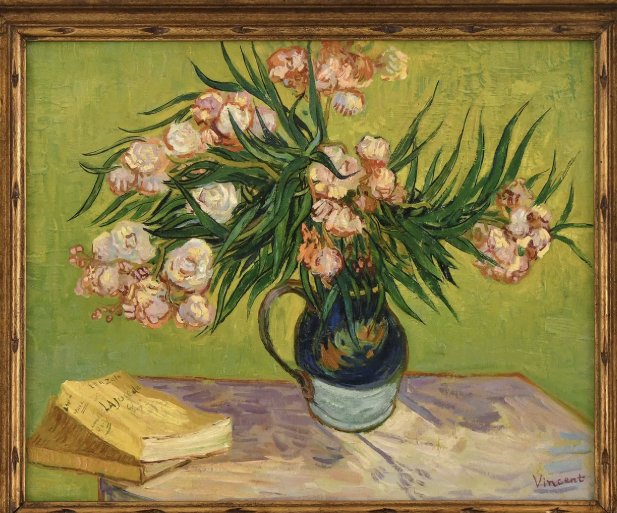
Oleanders (Still Life with Oleanders and Books)
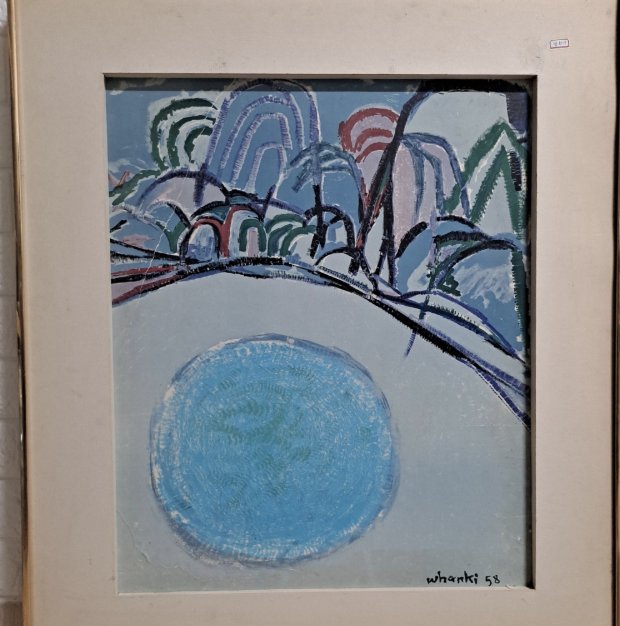
Composition in Blue, Attributed to Kim Whanki
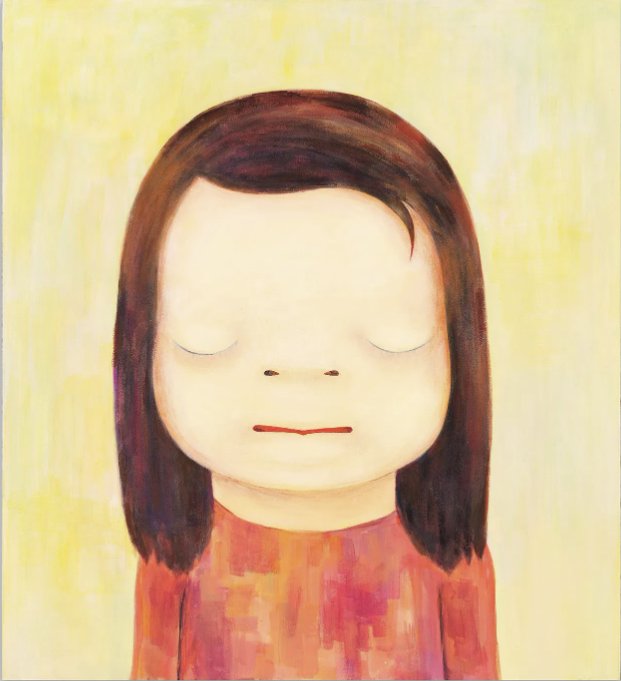
Original Painting Attributed to Yoshitomo Nara
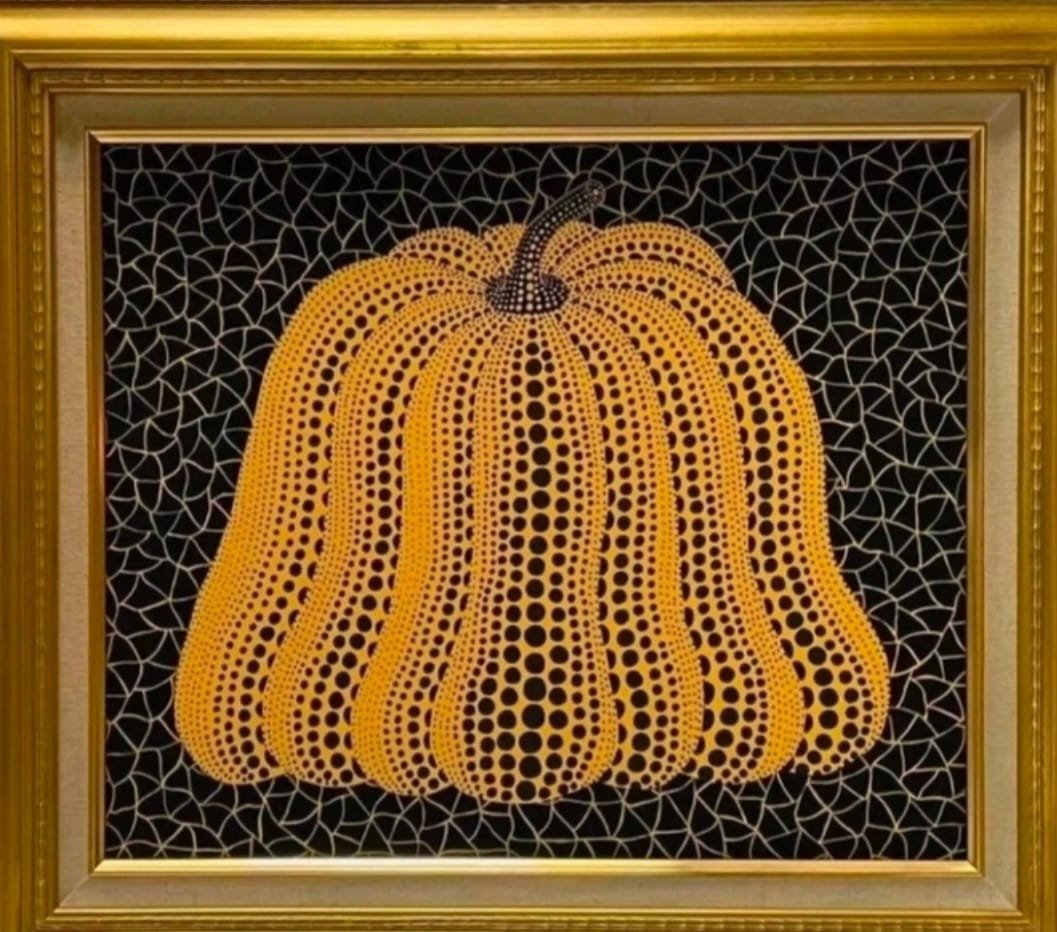
Yayoi Kusama 'Pumpkin' Acrylic on Canvas
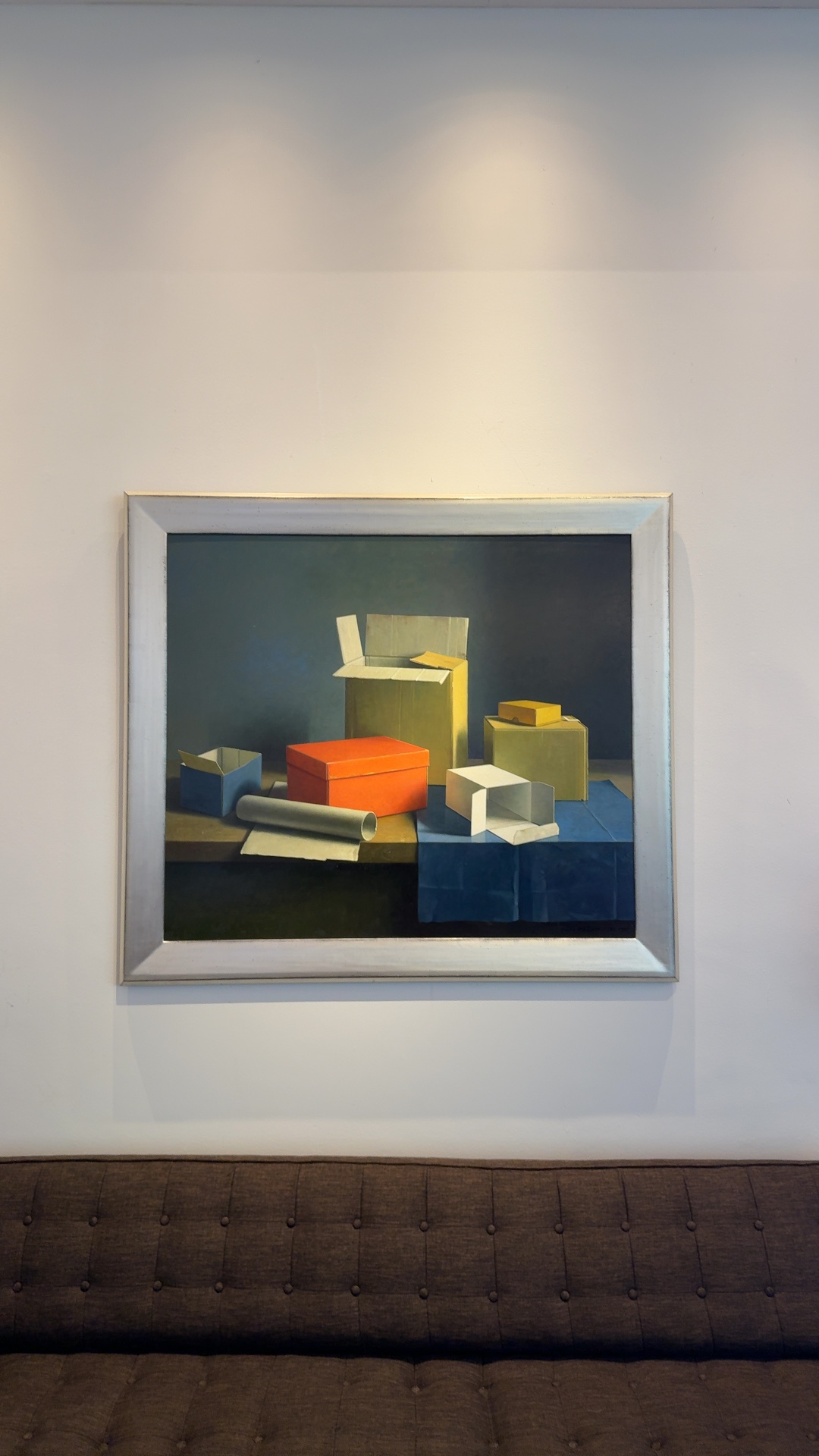
Still Life with Cardboard Boxes by Henk Helmantel
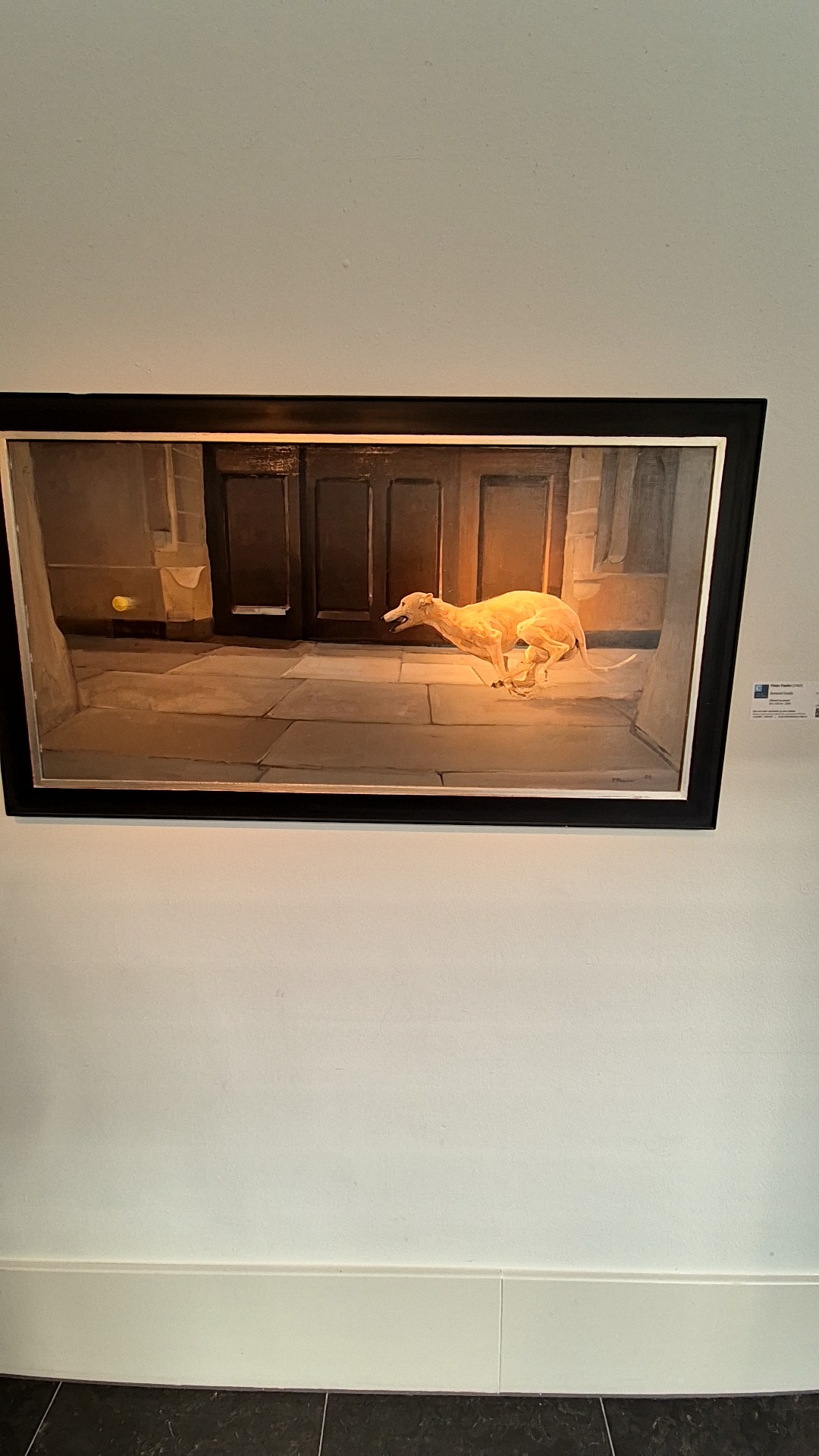
Contemporary Oil Painting of a Running Whippet or Greyhound
ABOUT PAINTINGS
Oil paintings, watercolors, acrylics, and painted works on canvas, panel, and paper.
Paintings value and rarity guideSHARE THIS CURIOSITY
Have your own curiosities to discover?
Scan Your Curiosity
COMMENTS
No comments yet. Be the first to share your thoughts!
Sign in to leave a comment