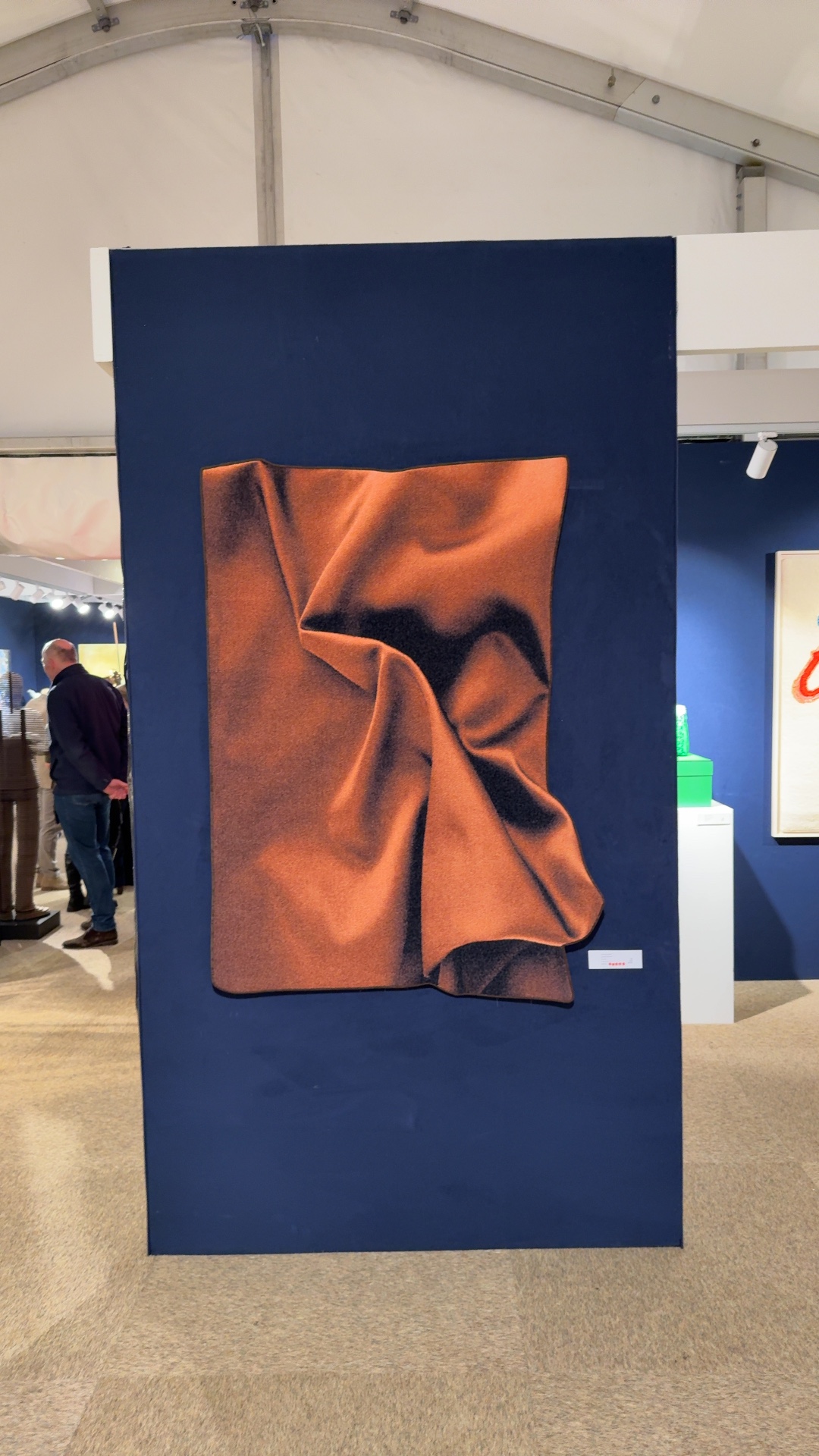
Celia Hadeler - 'Canela Brown' Textile Artwork
Estimated value
$4,000 - $6,000Rarity
Rare(7/10)Category
ArtBrand
Van Buul Gallery (Exhibitor)Era
2020sOrigin
🇩🇪 GermanyArtist / Creator
Celia HadelerAuthenticity
CELIA HADELER - 'CANELA BROWN' TEXTILE ARTWORK: IDENTIFICATION
This appears to be a contemporary artwork, specifically a 'textile' piece as indicated by the accompanying label. The artwork itself features a large, rectangular fabric element, likely felt or a similar material with a soft pile, in a warm 'Canela Brown' (cinnamon brown) hue. It is dramatically draped and folded, creating deep shadows and highlights that emphasize its texture and sculptural qualities. The piece is mounted on a larger, dark blue panel, contrasting sharply with the brown textile and serving to present it as a framed, singular art object. The intentional folds suggest a dynamic, almost living presence within the static medium.
Compare with other artworks in the archive: Guillaume Corneille (Dutch, 1922-2010) - Abstract Composition, Mixed Media on Paper, 1962, Contemporary Impasto Seascape with Pilings, "Excellent" Bronze Equestrian Sculpture.
SCARCITY
Exceptional items that serious collectors actively seek. Only a handful appear at major auctions each year.
Rarity 7/10. Curiosa currently catalogues 4 art items at rarity 7 or higher.
Typical Characteristics
- Few examples at auction yearly
- Specialist dealer networks
- Strong collector competition
Confidence Factors
- Artist and gallery explicitly identified on the label.
- Presented in a gallery setting, suggesting established authenticity.
- Contemporary art less prone to historical reproduction issues.
THE ART SPECIALIST'S TAKE
Museum-Trained Art Historian
My confidence is high due to the clear gallery label providing explicit details about the artist, title, medium, dimensions, and gallery, which aligns perfectly with the visual evidence of a contemporary textile artwork.
KEY EVIDENCE
- 1Gallery label explicitly identifies the artist (Celia Hadeler), title ('Canela Brown'), medium ('Textile'), dimensions (110x150 cm), and gallery (Van Buul Gallery), along with a price in Euros.
- 2The artwork itself is an abstract composition of meticulously draped and folded brown textile mounted on a dark blue background panel.
- 3The aesthetic aligns with contemporary art trends exploring textural and sculptural qualities of everyday materials.
- 4The clean presentation indicates it is a finished art piece.
- 5The label also indicates the piece has been sold, as there are red stickers over the price.
UNCERTAINTIES
- •Without direct visual access to the reverse of the work, we cannot verify stretcher details, specific mounting techniques, or additional labels that might provide deeper provenance.
WHAT WOULD IMPROVE CERTAINTY
- →Request a high-resolution image of the reverse of the artwork to check for any hidden labels, artist's notes, or previous exhibition stickers.
- →Inquire about the exhibition history and previous ownership of this specific piece from the Van Buul Gallery to establish full provenance.
- →If possible, a physical inspection to ascertain the precise type of textile and its conservation state.
CONDITION & GRADE
Condition
The textile appears to be in excellent condition, with no visible signs of wear, tears, stains, or fading. The folds seem to be intentionally set and stable. The mounting on the dark panel also appears pristine.
ART MARKET VALUATION
Updated: Feb 27, 2026
- Market comparables from auctions & retail
- Condition, completeness & craftsmanship
- Current collector demand & trends
- Low = quick sale, high = patient seller
For informational purposes only, not a formal appraisal.

SIMILAR CURIOSITIES
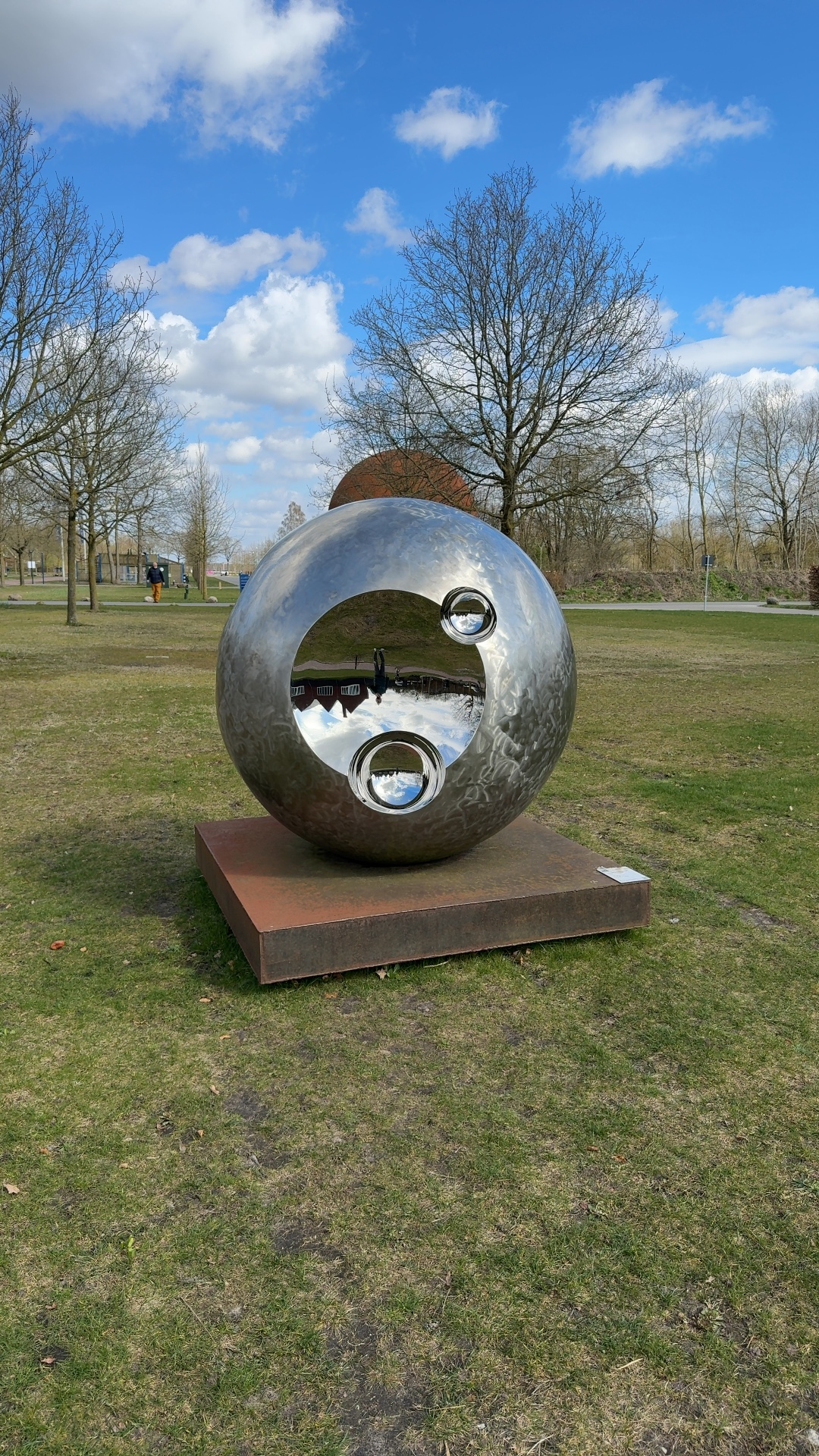
Ronald Westerhuis 'Sun' Stainless Steel Sculpture
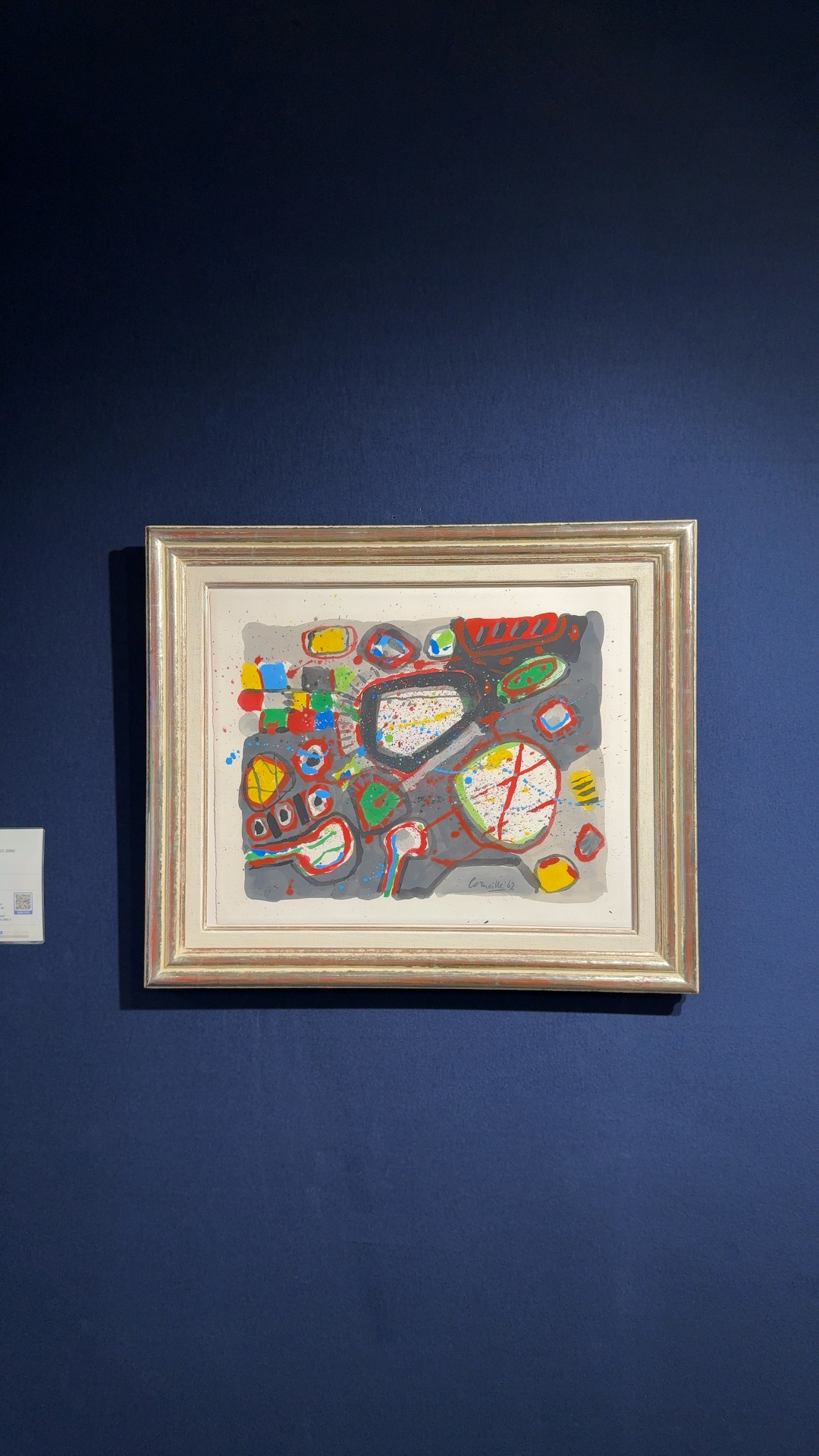
Guillaume Corneille (Dutch, 1922-2010) - Abstract Composition, Mixed Media on Paper, 1962
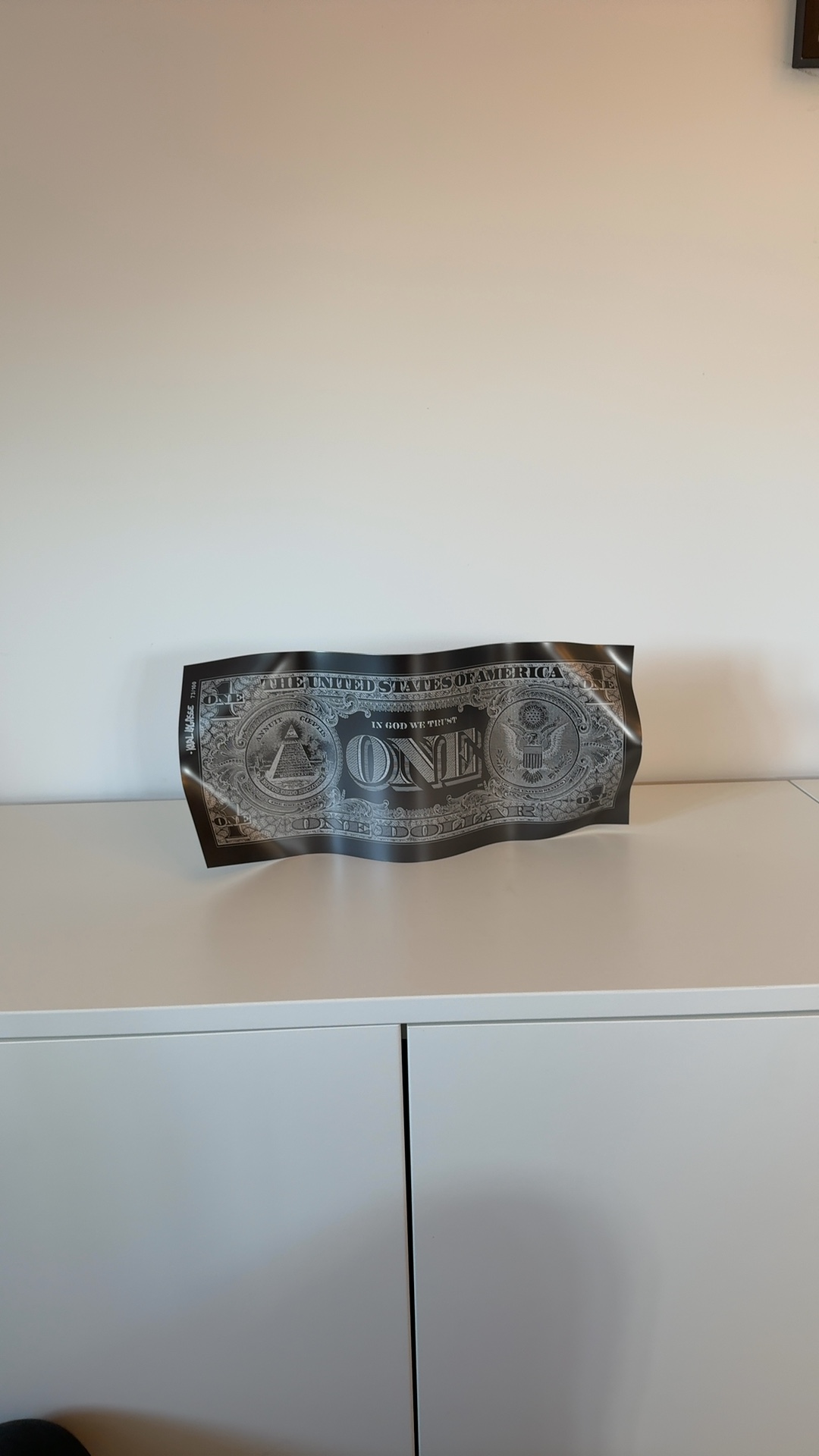
Karl Lagasse - 'One Dollar' Sculptural Screenprint, Black Edition, 2021
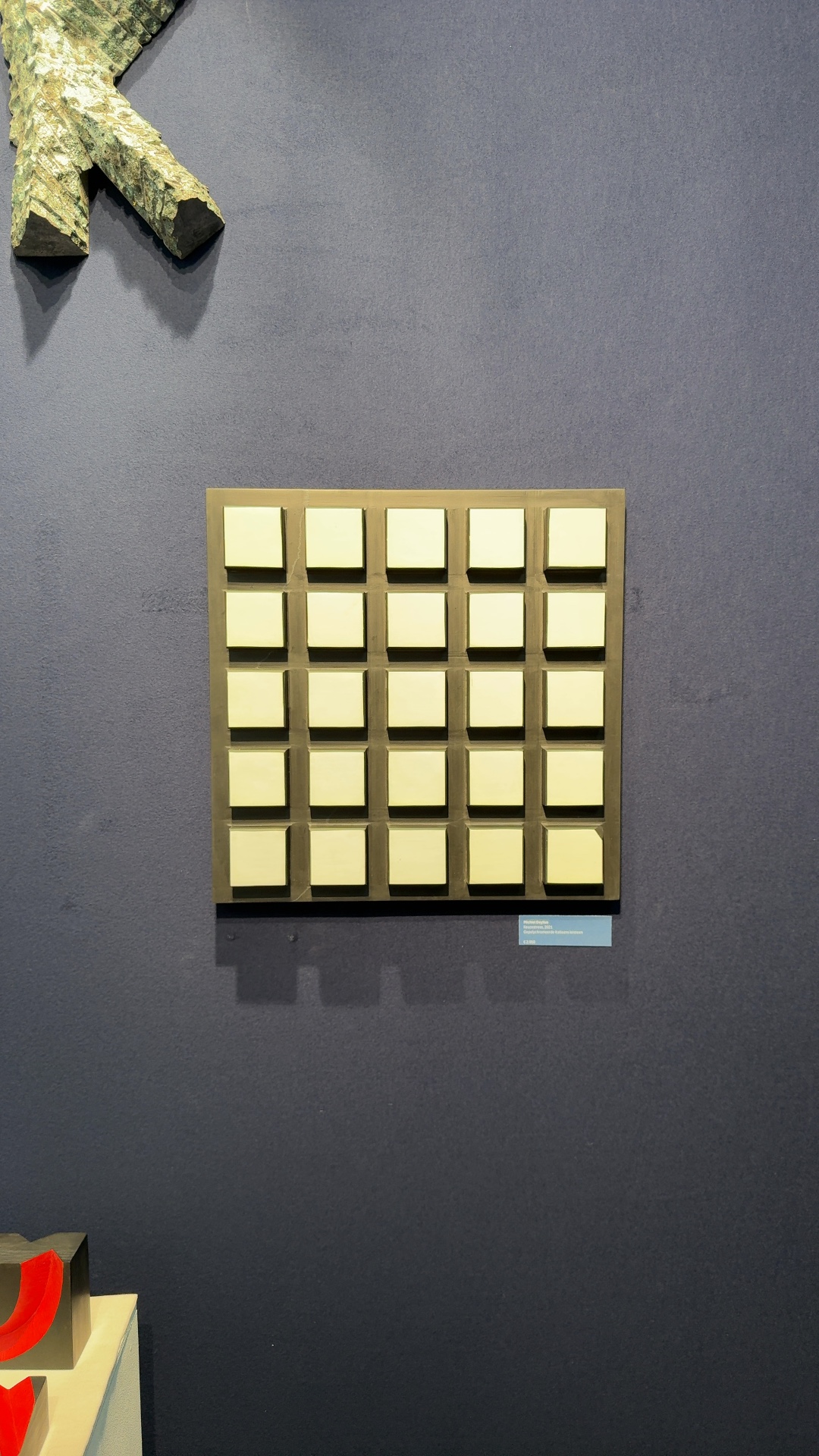
Michiel Deylius, 'Keuzestress', 2021
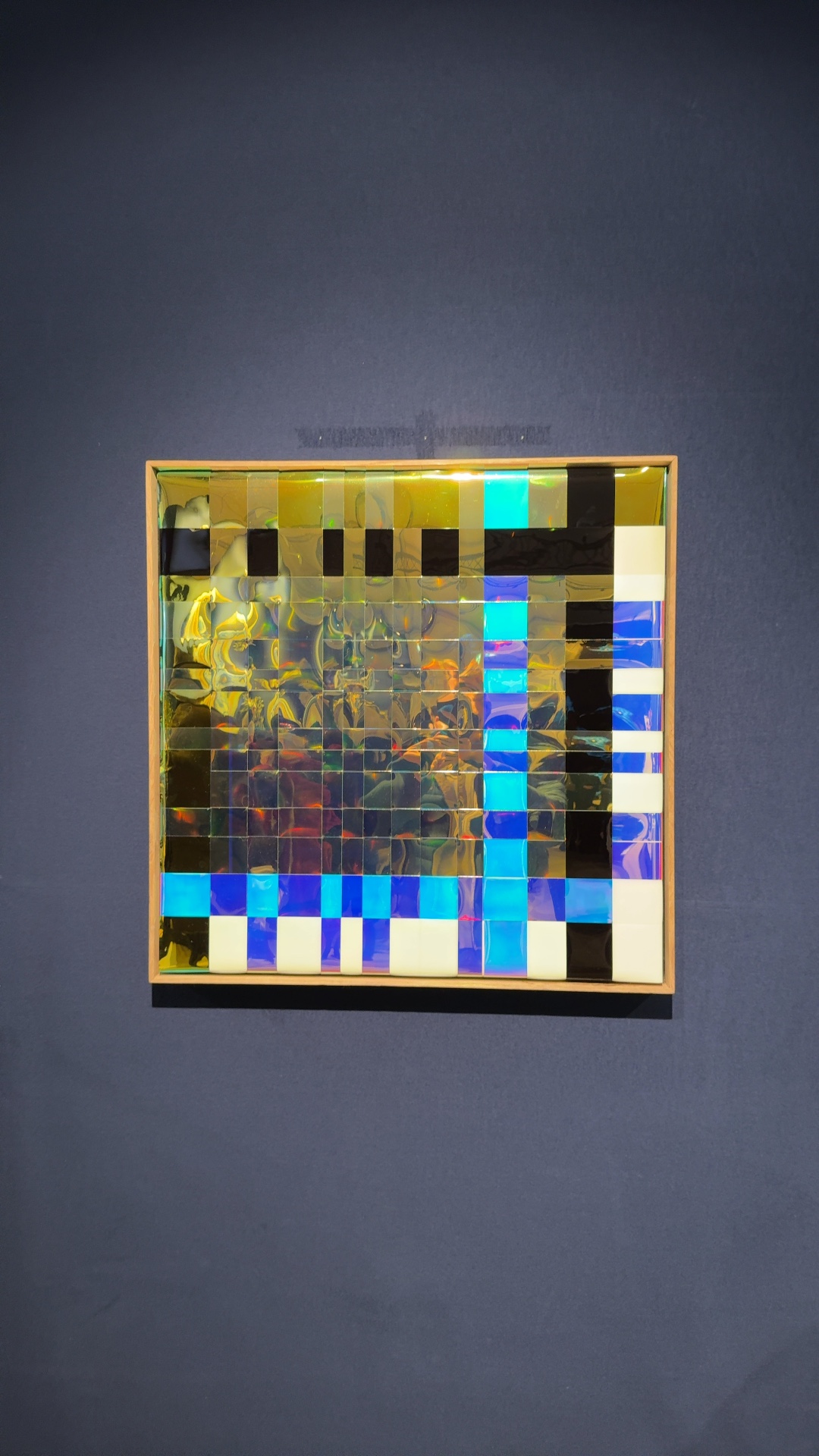
Contemporary Dichroic Grid Sculpture, Attributed to Paolo Pio Paterno
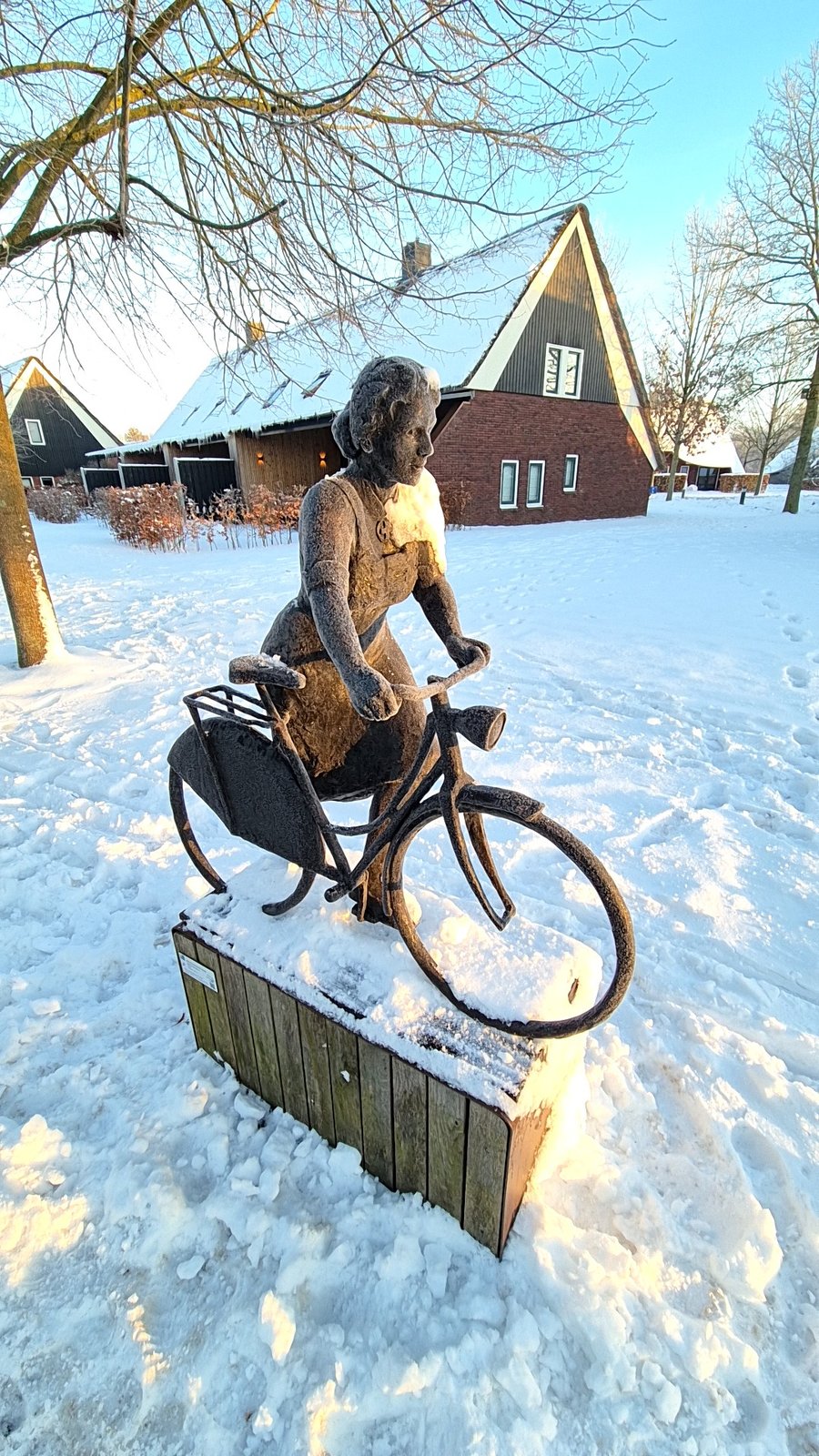
The Cyclist (Fietsster), Cast Bronze Sculpture on a Plinth
SHARE THIS CURIOSITY
Have your own curiosities to discover?
Scan Your Curiosity
COMMENTS
No comments yet. Be the first to share your thoughts!
Sign in to leave a comment