Non-Representational Expressionist Painting
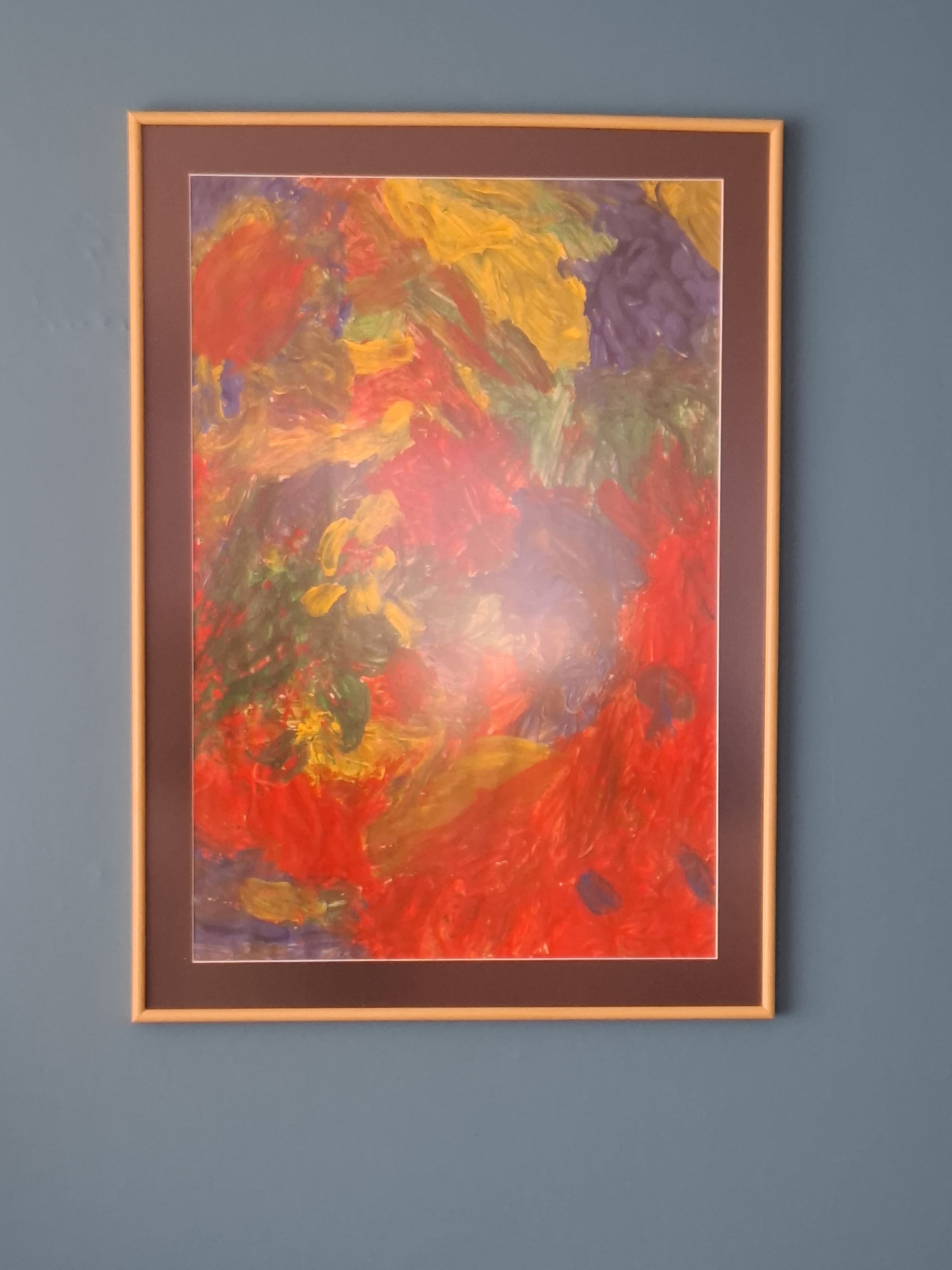
Estimated value
$20 - $80Rarity
Abundant(1/10)Category
PaintingsEra
late 20th centuryOrigin
🌍 InternationalArtist / Creator
Unknown Dutch artistAuthenticity
NON-REPRESENTATIONAL EXPRESSIONIST PAINTING: IDENTIFICATION
A vertical abstract composition utilizing a primary triad palette of red, yellow, and blue, executed with gestural, impasto-like brushwork. The application suggests a wet-on-wet technique where colors have been merged directly on the support. There is no discernible focal point, following an all-over compositional strategy typical of mid-20th-century lyrical abstraction. The work is housed in a contemporary thin-profile light wood frame with a dark brown matting, indicative of modern private framing rather than gallery presentation.
Compare with other paintings in the archive: Surrealist Painting by William Vandenjoc, Abstract Expressionist Landscape Painting, Winterzon by Ansje Siel (2023).
CROSS-CULTURAL PARALLELS
Where This Object Echoes
Echoes the 1950s New York School's focus on gesture and color field energy.
Ritual & Ceremonial Use
- •Art therapy practices utilizing color to express emotional states without linguistic constraints.
Meaning Through Time
Abstraction symbolized political and personal freedom in contrast to Social Realism.
COLLECTOR NOTES
The all-over painting technique used here was pioneered by Janet Sobel in 1944 before being popularized by Jackson Pollock.
Modern framing using acid-free mats became standard for preserving works on paper only after 1980.
SCARCITY
Currently in production or mass-produced within the last 50 years. Found everywhere: big box stores, eBay, flea markets. No scarcity whatsoever.
Rarity 1/10. Curiosa currently catalogues 52 paintings items at rarity 1 or higher.
Typical Characteristics
- Currently in production
- Mass manufactured
- No collectible value
Confidence Factors
- Lack of signature or identifying marks
- Commercial framing indicates domestic/amateur origin
- Generic stylistic elements common in decorative art
THE ART SPECIALIST'S TAKE
Museum-Trained Art Historian
The identification of the movement and medium is solid based on visual indicators, though the lack of marks prevents definitive attribution or precise dating.
KEY EVIDENCE
- 1Gestural application of unmixed primary pigments
- 2Non-professional thin light-wood framing style
- 3Lack of visible craquelure suggesting relatively recent execution
- 4Absence of a distinct artist signature on the lower register
UNCERTAINTIES
- •Obscured details due to glass reflection in the center portion of the image
WHAT WOULD IMPROVE CERTAINTY
- →Remove from frame to inspect the verso for labels, stamps, or artist inscriptions
- →Photograph the surface at a 45-degree angle to better capture the paint texture (impasto)
- →Examine under UV light to check for more recent additions or hidden signatures
CONDITION & GRADE
Condition
The work exhibits minor surface glare from the glazing. There are no visible signs of foxing or substrate discoloration, suggesting it has been kept in a controlled domestic environment.
ART MARKET VALUATION
Updated: May 11, 2026
Who buys this
Primarily purchased as decorative pieces for home staging or by fans of abstract aesthetics without specific artist preference.
What increases value
- •Visual appeal and color coordination with modern interiors
- •Large scale if it occupies a standard wall bay
What lowers value
- •Lack of artist attribution significantly limits secondary market value
- •Amateur execution technique lowers interest from institutional collectors
What makes top-tier examples
- •Documented provenance from a known gallery
- •Signature of a listed artist with auction history
- •Superior archival framing materials
Grade & condition
Fading from UV exposure and condition of the frame/matting.
Rarity & demand
For informational purposes only, not a formal appraisal.

SIMILAR CURIOSITIES
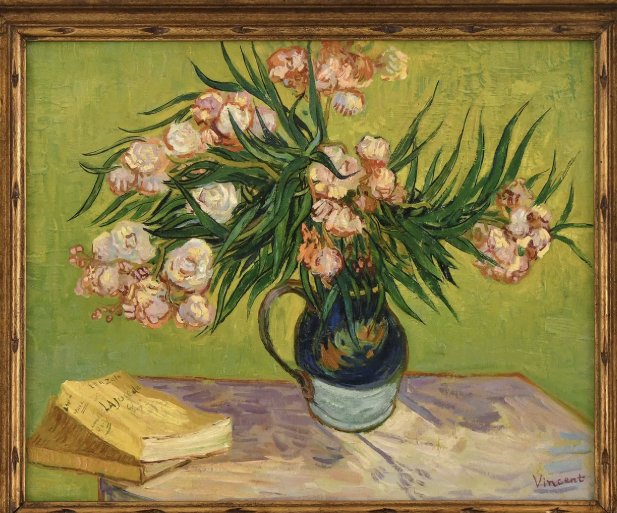
Oleanders (Still Life with Oleanders and Books)
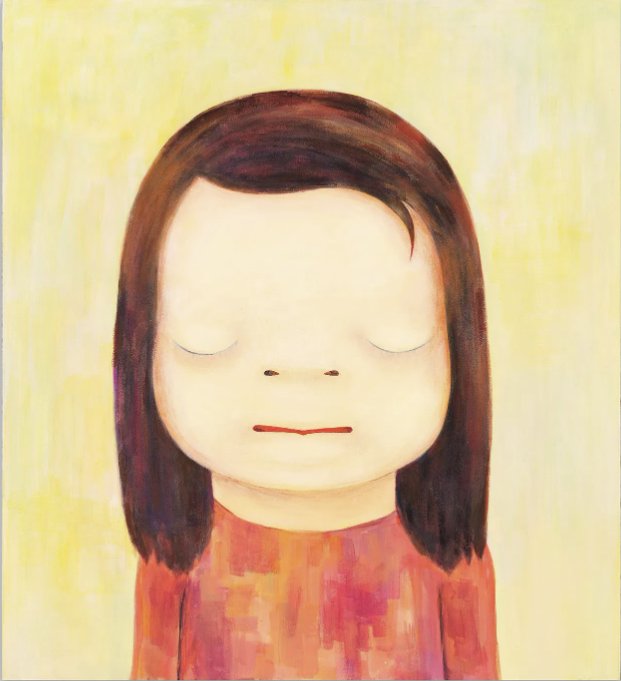
Original Painting Attributed to Yoshitomo Nara
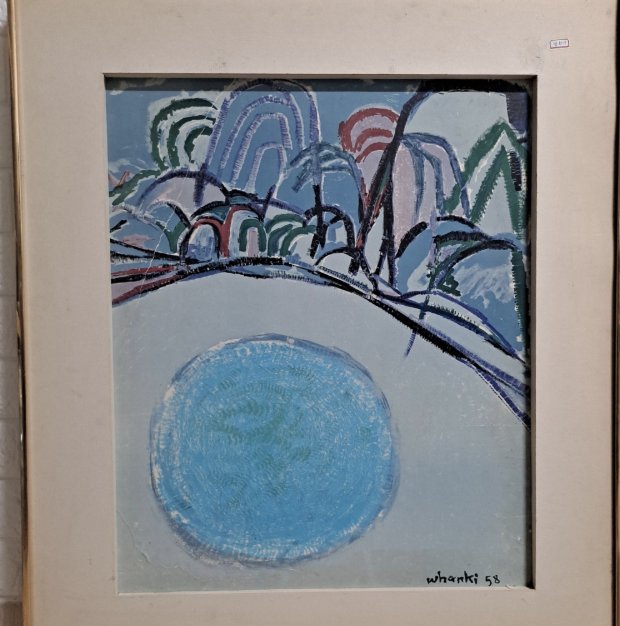
Composition in Blue, Attributed to Kim Whanki
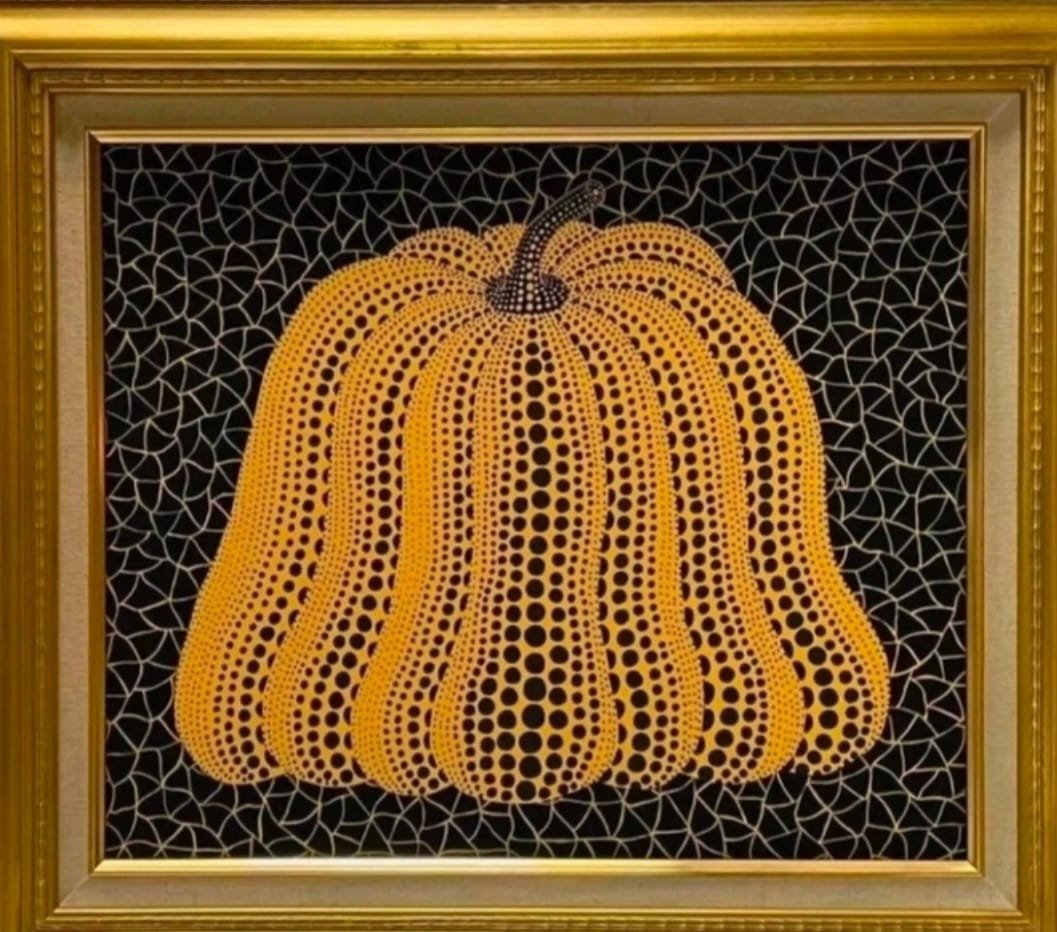
Yayoi Kusama 'Pumpkin' Acrylic on Canvas
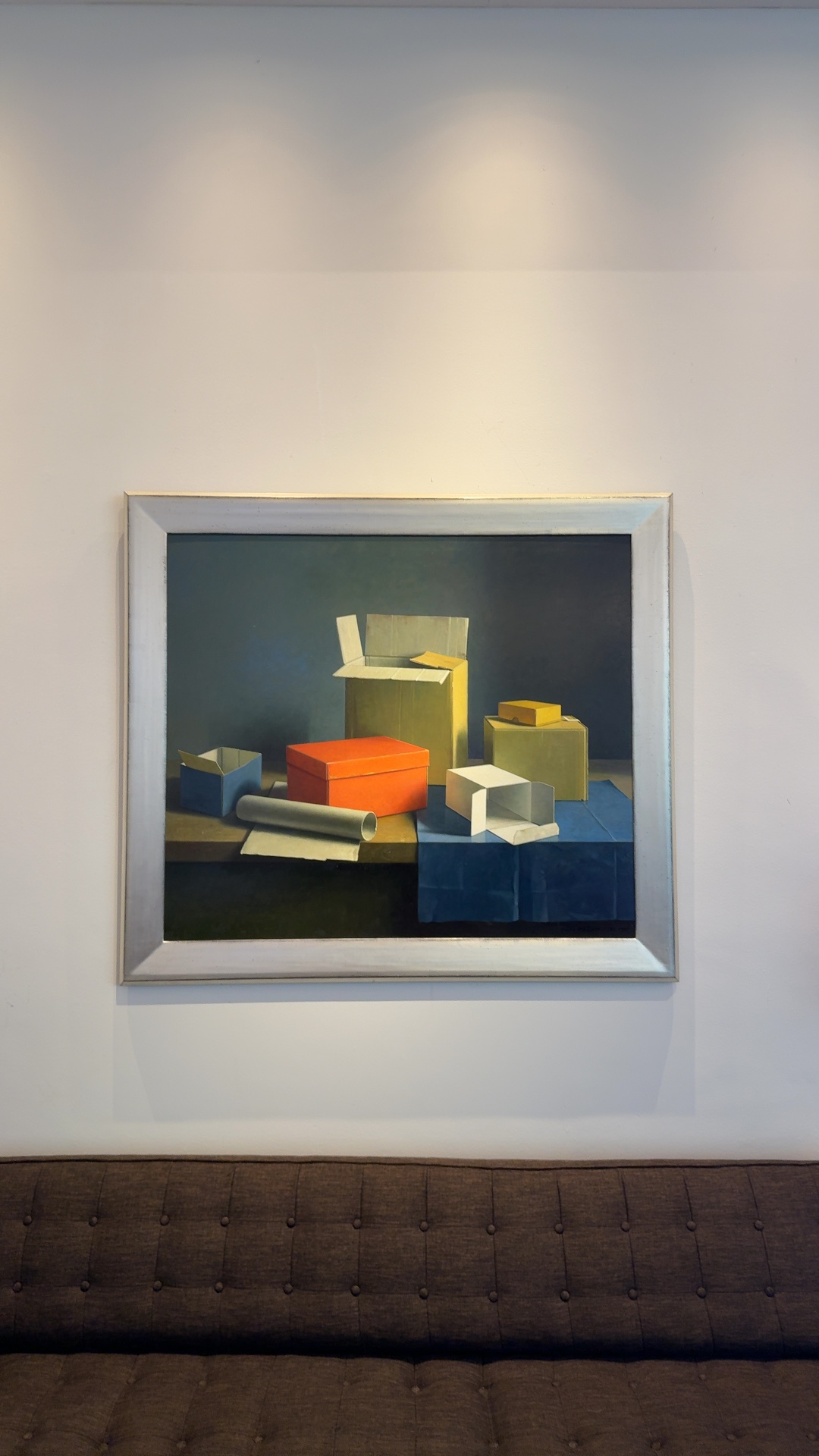
Still Life with Cardboard Boxes by Henk Helmantel
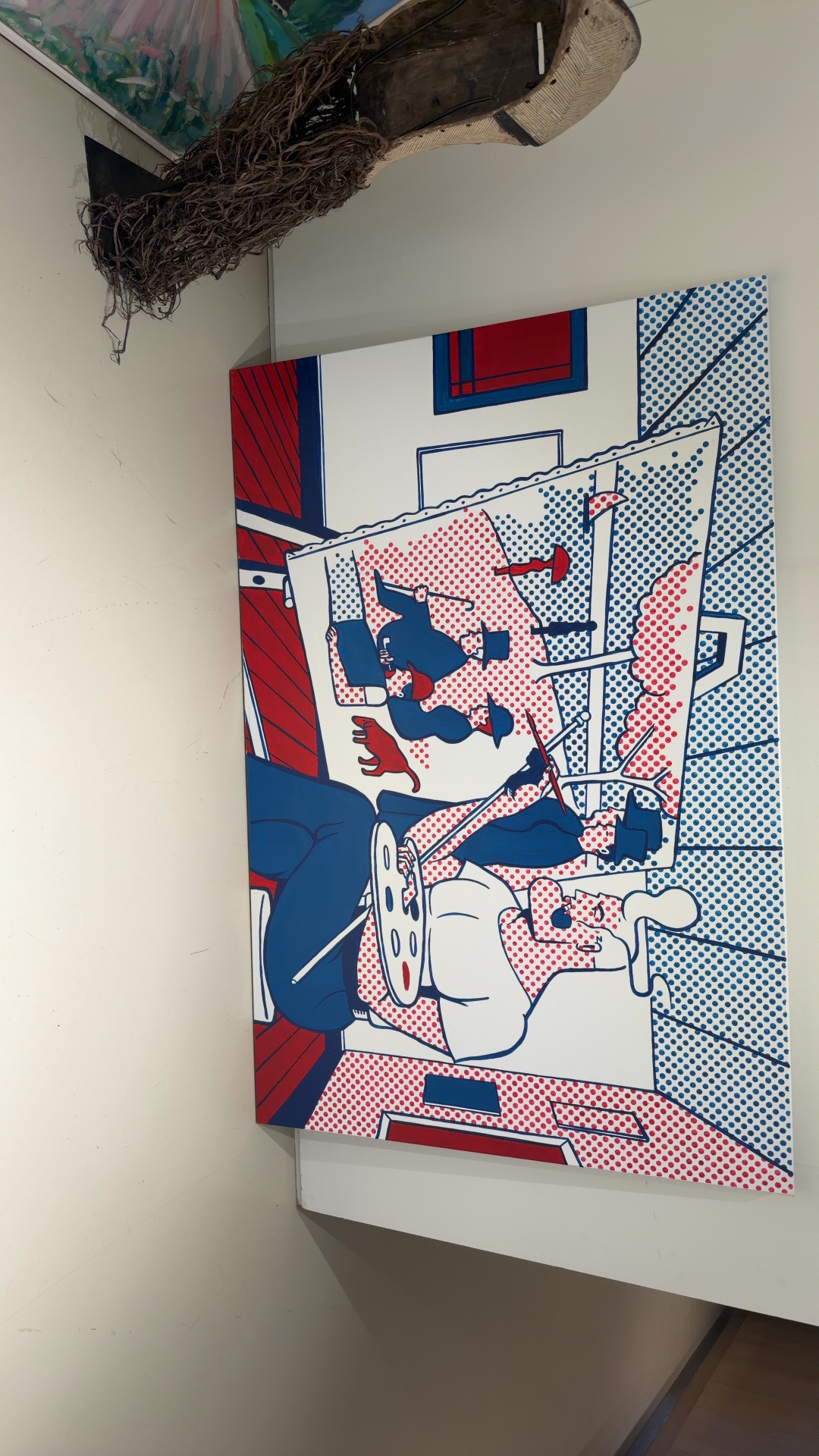
Cowboy Henk Pop Art Homage Painting by Herr Seele
ABOUT PAINTINGS
Oil paintings, watercolors, acrylics, and painted works on canvas, panel, and paper.
Paintings value and rarity guideSHARE THIS CURIOSITY
Have your own curiosities to discover?
Scan Your Curiosity
COMMENTS
No comments yet. Be the first to share your thoughts!
Sign in to leave a comment