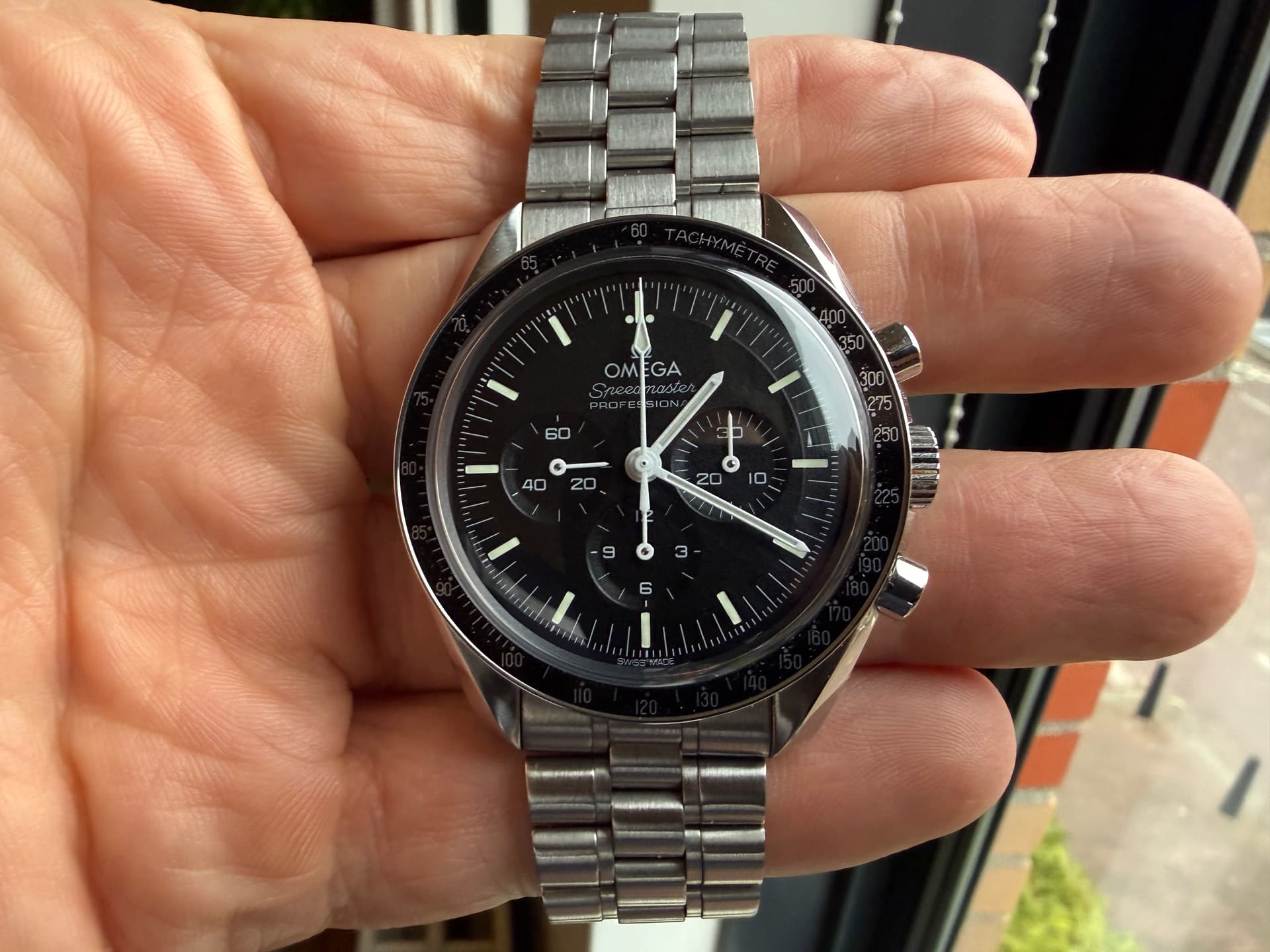
OMEGA SPEEDMASTER PROFESSIONAL REF. 310.30.42.50.01.001 (HESALITE) C.2021-2024: IDENTIFICATION
This is a contemporary Omega Speedmaster Moonwatch Professional featuring the Calibre 3861 manual-wind Co-Axial Master Chronometer movement. The dial is the 'stepped' matte black variant with printed Omega logo and luminova markers, protected by a hesalite (acrylic) crystal. Note the five-link-across brushed stainless steel bracelet with a 20mm to 15mm taper and the distinctive 'dot over ninety' (DON) tachymeter bezel. This specific configuration, with its fully brushed bracelet links and printed logo, identifies it as the hesalite model rather than the sapphire 'sandwich' version.
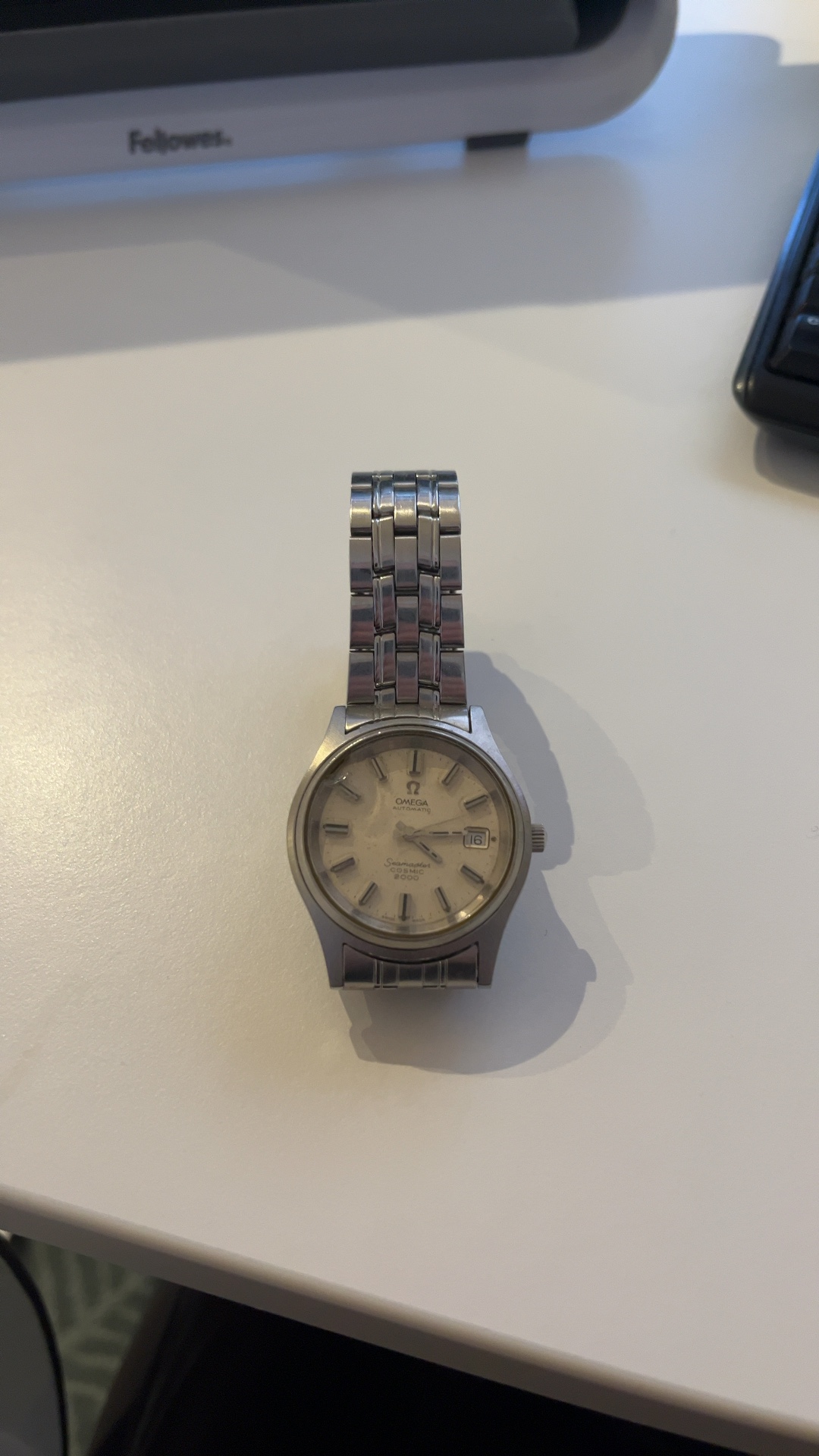
Compare with other watches in the archive: Omega Seamaster Cosmic 2000 Ref. 166.128 c.1972, Angus & Coote 'Faithful Lever' Pocket Watch (Elgin Movement) c.1915, Baume & Mercier Geneve Ladies Wristwatch c.1970s.
CROSS-CULTURAL PARALLELS
Where This Object Echoes
The design prioritized high-contrast legibility for cockpit and laboratory environments, echoing 1950s dashboard instrumentation design.
Ritual & Ceremonial Use
- •The 'Wind-up': A daily tactile interaction required by the manual-wind movement, creating a routine bond between owner and machine.
Meaning Through Time
A critical flight instrument for NASA astronauts.
An entry-level luxury status symbol representing heritage and engineering persistence.
PRODUCTION & REFERENCE HISTORY
COLLECTOR NOTES
The 2021 bracelet update features a taper from 20mm at the lugs to 15mm at the clasp, making it significantly narrower than the 18mm taper of the previous Calibre 1861 models.
SCARCITY
Older mass-produced items still widely available. Easy to find on eBay, antique malls, and estate sales in large quantities.
Rarity 2/10. Curiosa currently catalogues 20 watches items at rarity 2 or higher.
Typical Characteristics
- Mass produced historically
- High survival rate
- Readily available everywhere
Confidence Factors
- Distinctive 'stepped' dial transition is crisp and consistent with factory tolerances
- High-fidelity printing of the 'Professional' text and sub-dial graduations matches Calibre 3861 benchmarks
- Bracelet taper and clasp proportions are correct for this specific modern reference
WATCHMAKER'S ASSESSMENT
Vintage Watchmaker & Horology Specialist
Identification is high due to the presence of multiple reference-specific traits (step dial, all-brushed bracelet, printed logo) that align perfectly with the modern 3861 hesalite model specifications.
KEY EVIDENCE
- 1Correct teardrop counterweight on the chronograph seconds hand for the 3861 reference
- 2Step dial present with clearly defined indentation at the minute track
- 3Printed (not applied) Omega logo indicates the hesalite (Ref .001) variant
- 4All-brushed bracelet links correctly correspond to the hesalite model specifications
- 5Dot-Over-Ninety (DON) bezel alignment is factory-correct
WHAT WOULD IMPROVE CERTAINTY
- →Check the clasp for the micro-adjustment button introduced in 2022-2023 batches
- →Verify the laser-etched Omega symbol in the center of the hesalite crystal under 10x magnification
- →Request view of the Calibre 3861 movement to confirm the serial number matches the lug engraving
CONDITION & GRADE
Grading breakdown
Dial and hands are pristine with contemporary white luminova; indices show no discoloration. Small hairline surface scratches localized on the hesalite crystal are removable with PolyWatch, a standard trait of this reference.
Condition
The tachymeter bezel shows no impact marks or loss of black anodization. Bracelet links show no visible stretch, and the case edges remain sharp with original factory brushing intact on the lug tops.
WATCH MARKET VALUE
Updated: May 11, 2026
Who buys this
A mix of first-time luxury watch buyers seeking the definitive chronograph and experienced enthusiasts who prefer the hesalite variant for its historical accuracy.
What increases value
- •Presence of original warranty cards and pictograms
- •Balance of factory warranty (5 years from original purchase)
- •Unpolished case condition with sharp 'box' edges on the lugs
What lowers value
- •Deep scratches or cracks in the hesalite crystal requiring full replacement
- •Missing bracelet links which can cost $50-$100 per link to replace
What makes top-tier examples
- •Newer batches featuring the updated 'tool-less' micro-adjustment clasp
- •Full set documented by a reputable Authorized Dealer
Grade & condition
Bezel alignment, click-spring tension of pushers, and depth of the sapphire caseback etching (on other models).
Rarity & demand
For informational purposes only, not a formal appraisal.
SIMILAR CURIOSITIES
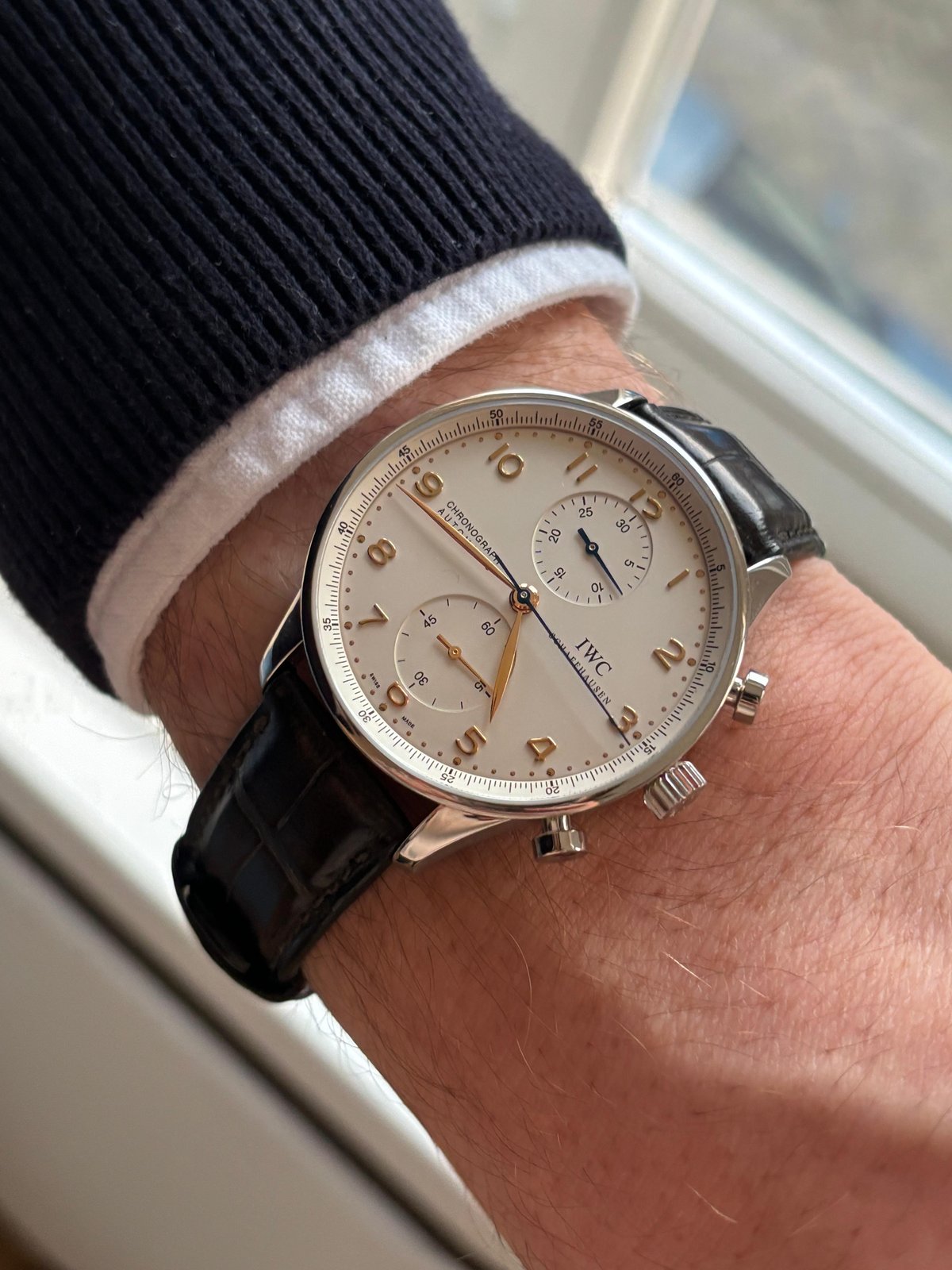
IWC Portugieser Chronograph Ref. IW371445 (Silver Dial, Gold Arabic Numerals) c.2015
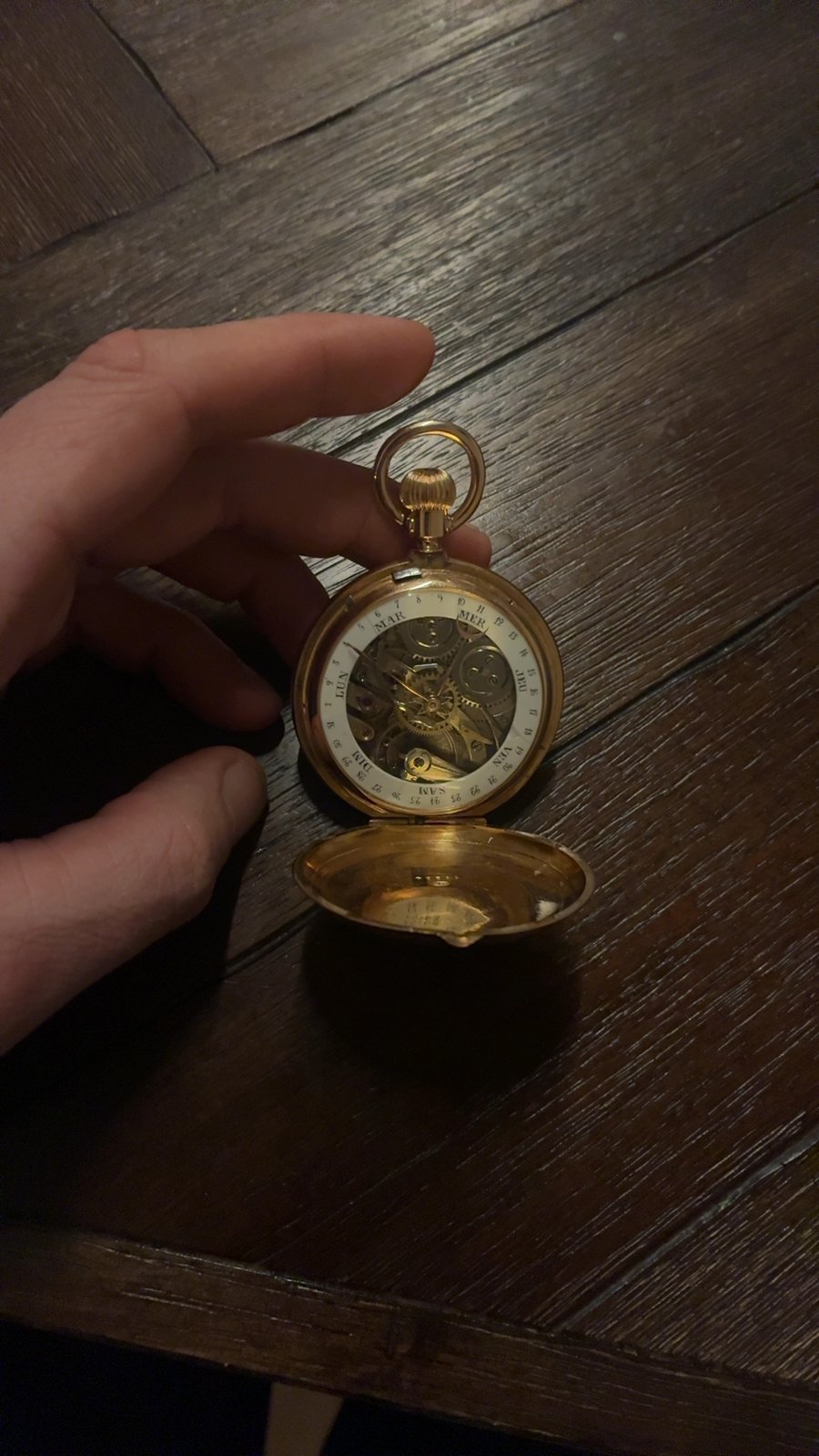
Swiss Triple Calendar Skeletonized Pocket Watch
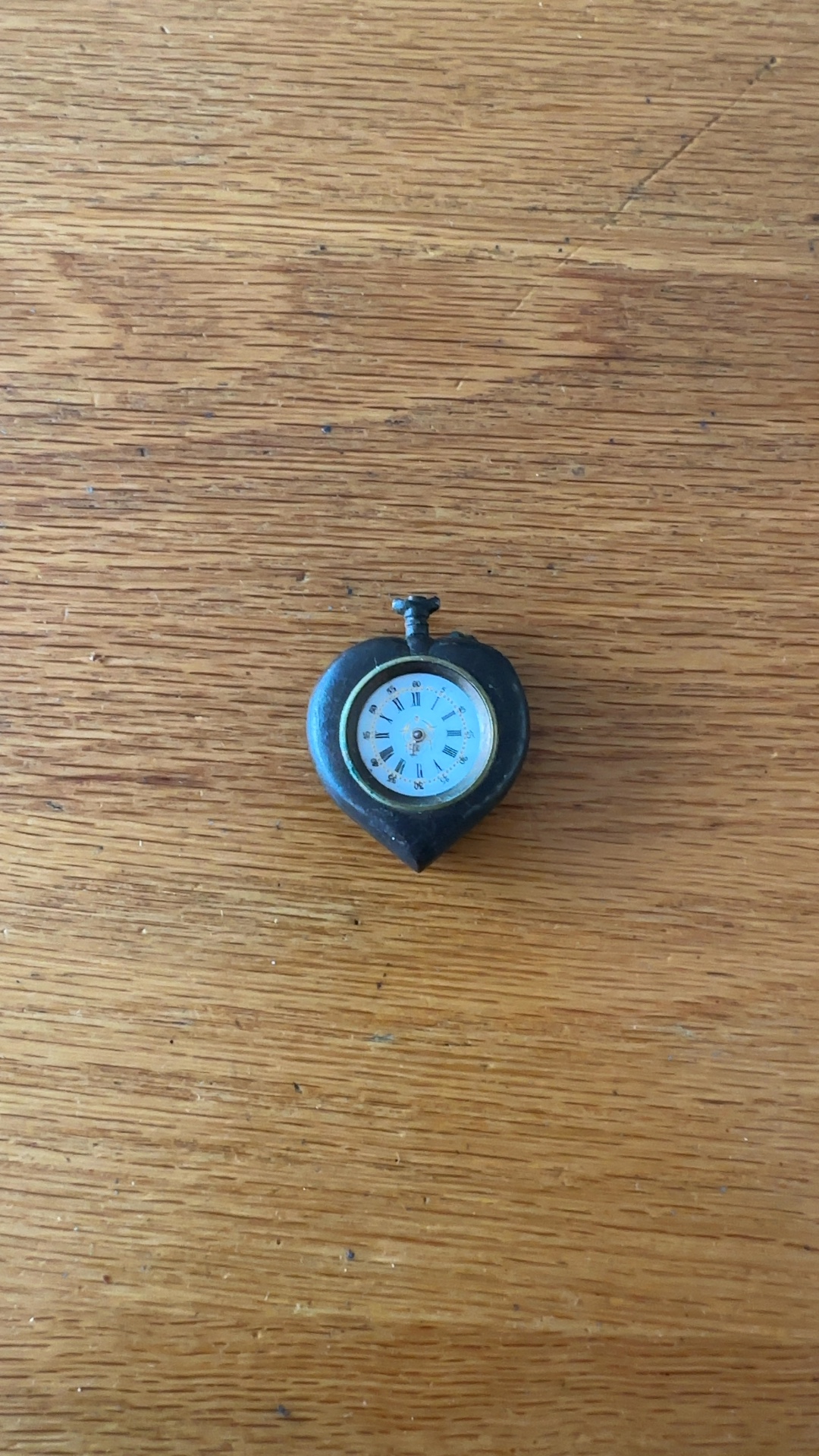
Victorian Heart-Shaped Pendent Watch c.1890
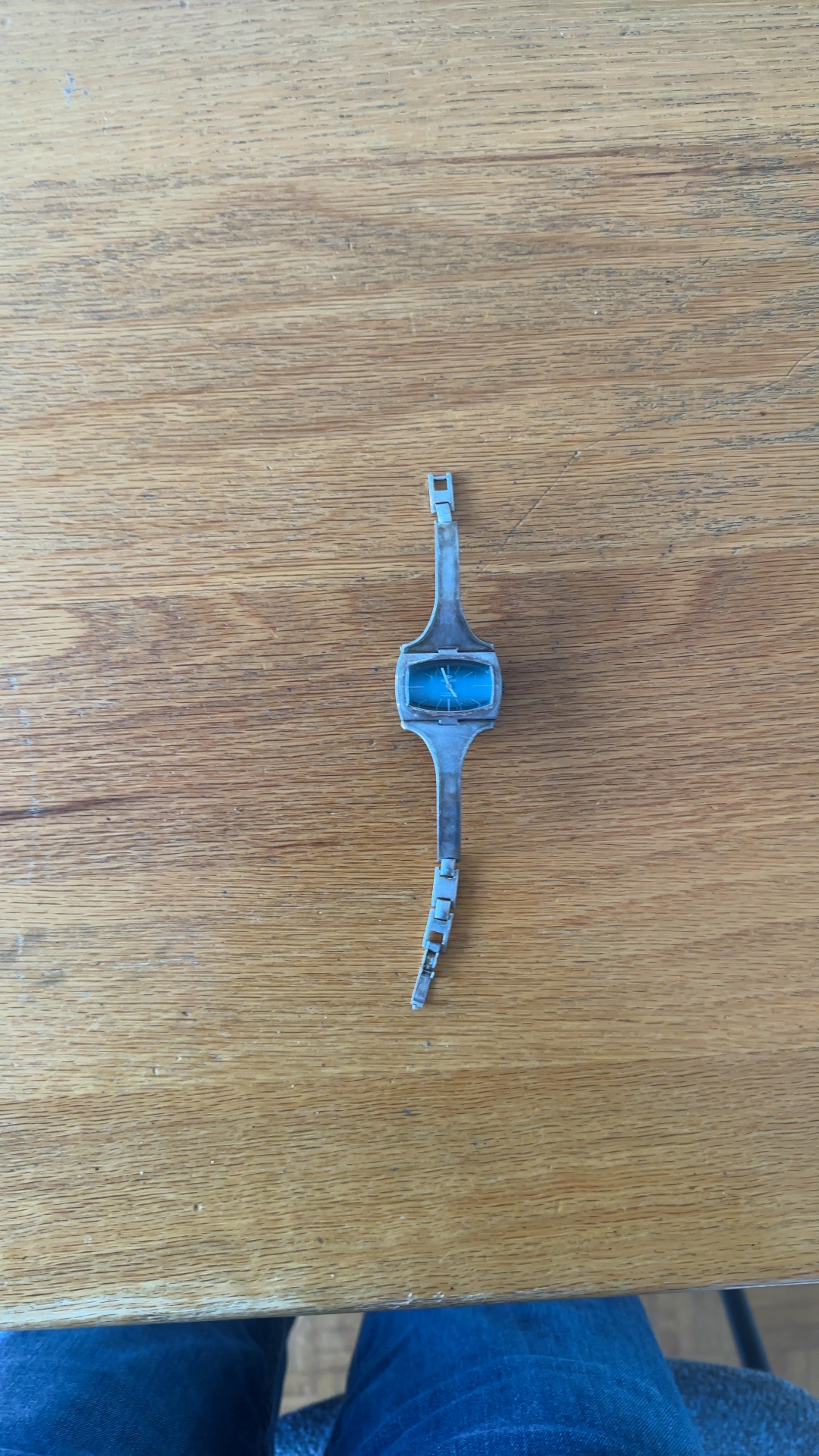
Universa 2000 Sterling Silver Fashion Watch c.1970s
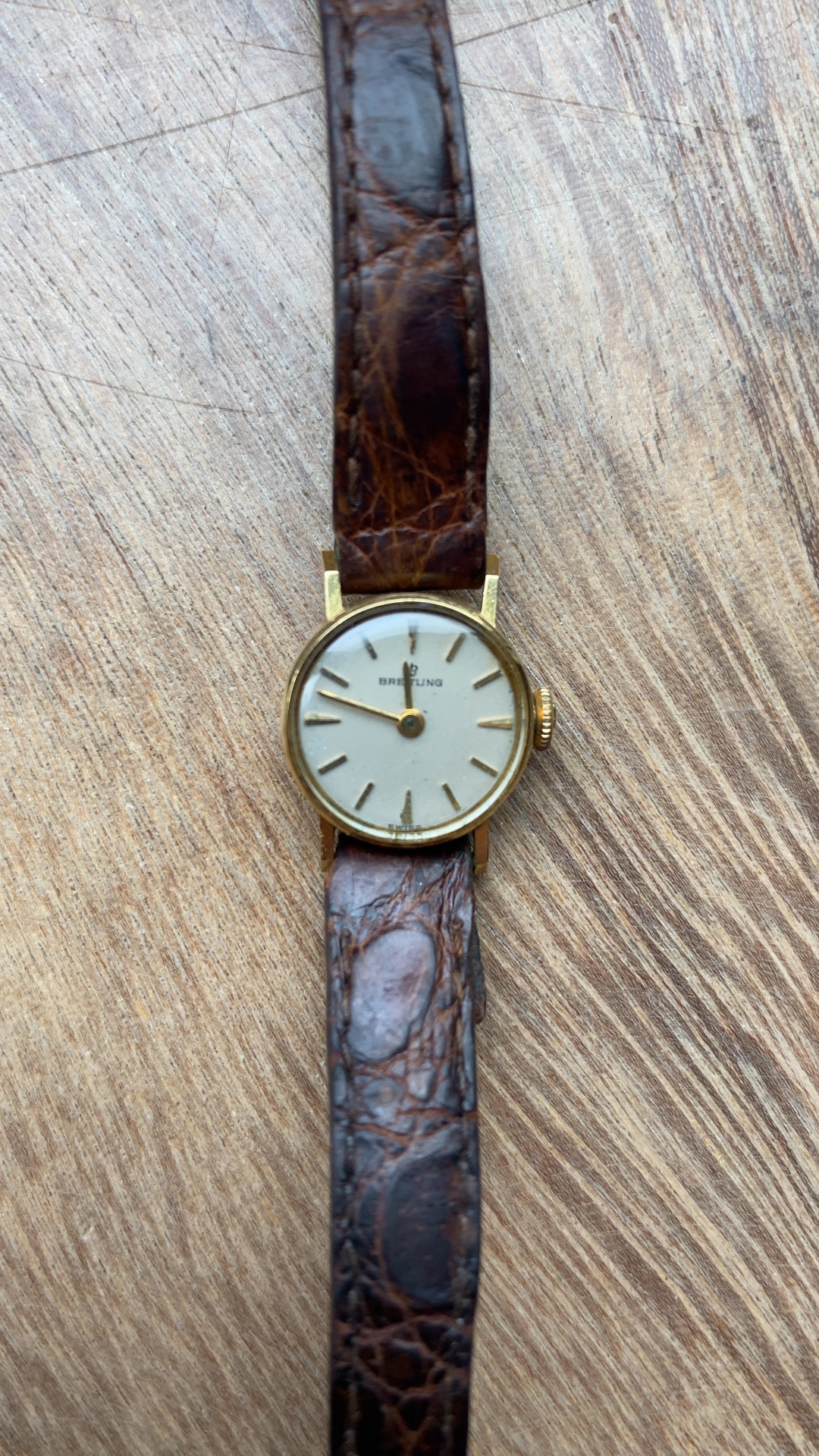
Vintage Breitling Ladies Cocktail Watch in 18K Yellow Gold Ref. 5605
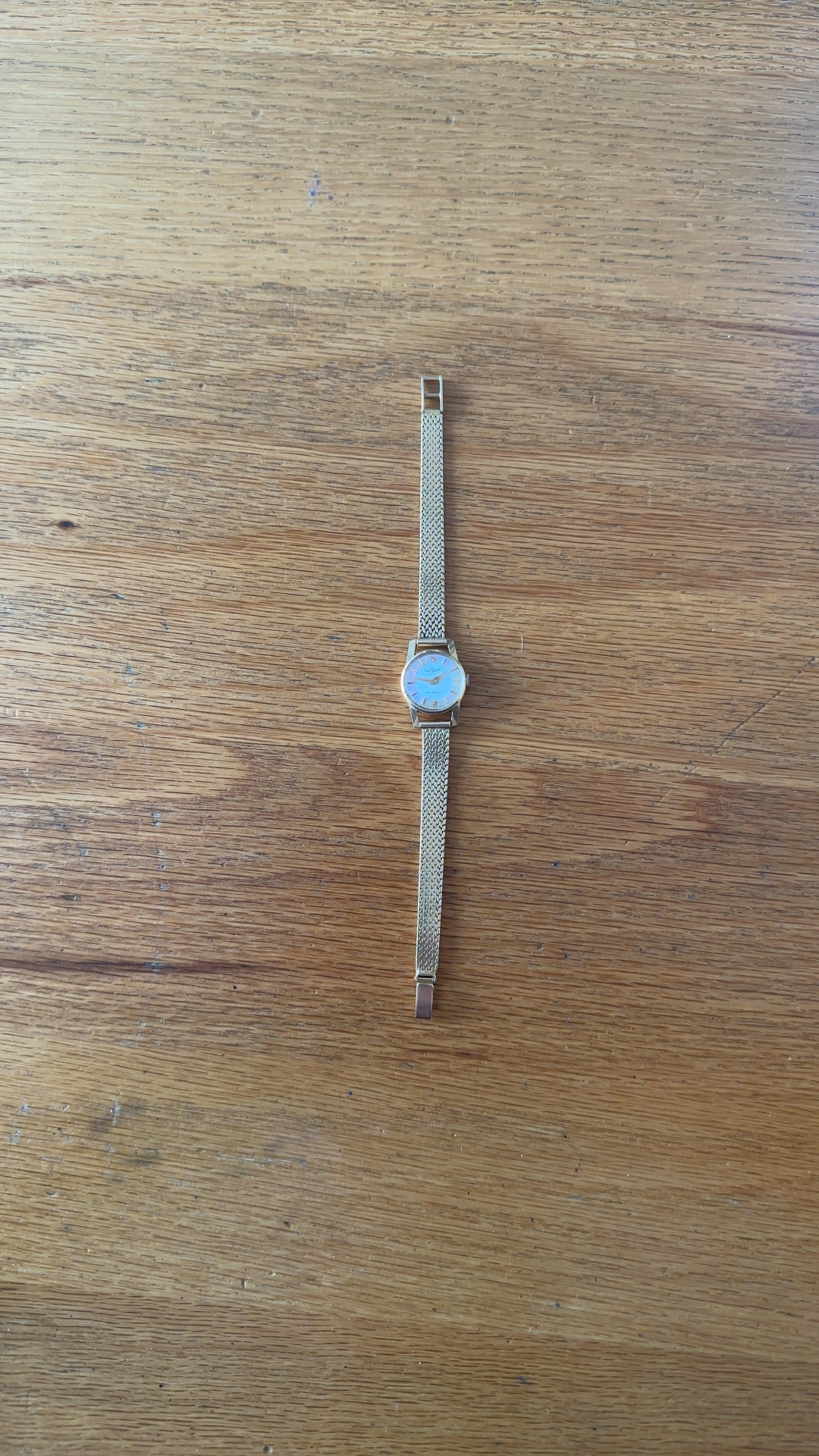
Tavernier 18K Gold Manual Wind Ladies Watch c.1960s
ABOUT WATCHES
Wristwatches, pocket watches, clocks, and timepieces from all eras.
Watches value and rarity guideSHARE THIS CURIOSITY
Have your own curiosities to discover?
Scan Your Curiosity
COMMENTS
No comments yet. Be the first to share your thoughts!
Sign in to leave a comment