Earthenware Storage / Water Vessel with Coir Rope
Estimated value
$40 - $120Rarity
Ordinary(3/10)Category
Ceramics & PotteryEra
Early 20th Century to Mid-20th CenturyOrigin
InternationalVisual assessment
Photo analysis
Save to revisit in your watchlist. This does not add the object to your own collection.
Earthenware Storage / Water Vessel
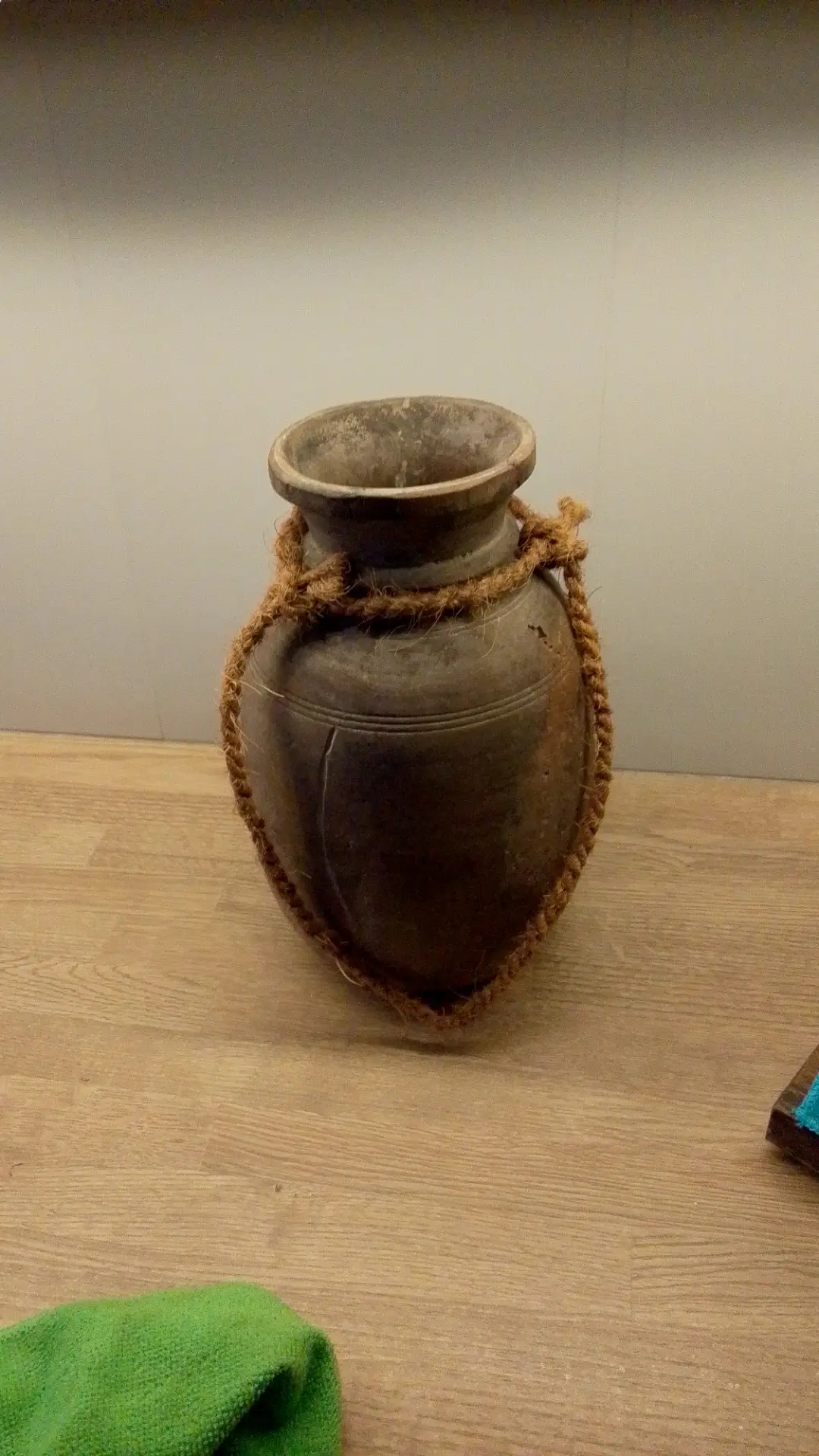
This appears to be a hand-thrown earthenware vessel, likely used for storage or carrying water, given its utilitarian form. The body is an unglazed, porous ceramic, indicative of its functional purpose. The presence of a coir (coconut fiber) rope strung around its neck suggests it was either designed for carrying or once suspended. The dark, earthy tones and visible wear lend an aged character to the piece, hinting at a long history of use.
Related traditions
West African Pottery
Ancient to Contemporary
Similar forms of unglazed, hand-coiled or thrown vessels are used for water storage and cooking, often with characteristic surface treatments or functional elements like rope carries.
Indian / South Asian Pottery
Ancient to Contemporary
Traditional 'matkas' or 'gharas' (earthen pots) are still widely used for cooling drinking water, sharing the porous, unglazed characteristic and often being transported with ropes.
Use and ceremony
Ancient to Early Modern
Essential utilitarian object, symbol of sustenance and daily life.
Contemporary
Decorative object, folk art, reminder of traditional craftsmanship and sustainable practices.
Origins and context
Unglazed earthenware pots have been fundamental to human civilization for millennia, serving as one of the earliest forms of food storage, cooking, and water transport. Their simple construction using local clays and firing methods made them accessible across diverse cultures. While the specific origin of this piece is unclear, such vessels are common in many traditional societies, especially in regions with warm climates where evaporative cooling (due to the porous nature of unglazed pottery) helps keep contents cool.
Further details
Unglazed earthenware, like this vessel, is naturally porous. When water is stored inside, a small amount seeps through the clay and evaporates from the outer surface, cooling the remaining water within – an ancient form of refrigeration.
The coir rope suggests a tradition of carrying or suspending the pot, a common practice in many cultures for transport or to keep foods and liquids away from pests and off the ground.
Attribution and evidence
The visible material, form, and wear patterns strongly suggest a utilitarian earthenware vessel of some age. While specific origin and precise dating are difficult without further examination, the general identification is robust.
Identifying details
- 1Unglazed, porous earthenware body, consistent with traditional water or storage vessels.
- 2Hand-thrown construction indicated by subtle irregularities in form and tooling marks.
- 3Visible surface wear, discoloration, and a stable crack suggest genuine age and extended use.
- 4Coir rope around the neck points to a functional carrying or suspension method.
Open questions
- •Without clearer images of the base or any potential marks, precise regional origin and exact age remain speculative.
- •The lighting makes it difficult to discern subtle variations in clay body or firing characteristics that could narrow down provenance.
Photographs that would help
- Examine the base for any maker's marks, potter's fingerprints, or distinct footrim wear.
- A clearer image under natural light would help assess the true color of the clay body and surface condition.
- Measure the dimensions (height, diameter) for a more complete description.
Terms in this record
- Earthenware
- A type of pottery made from porous clay and fired at relatively low temperatures, typically unglazed or only partially glazed.
- Coir Rope
- A natural fiber rope made from coconut husks, known for its strength and resistance to saltwater.
- Patina
- A surface layer that develops on an object over time due to age, use, and exposure, often enhancing its aesthetic appeal.
- Hand-Thrown
- Refers to pottery shaped on a potter's wheel, a traditional method of ceramic production leaving characteristic rotational marks.
Wear and preservation
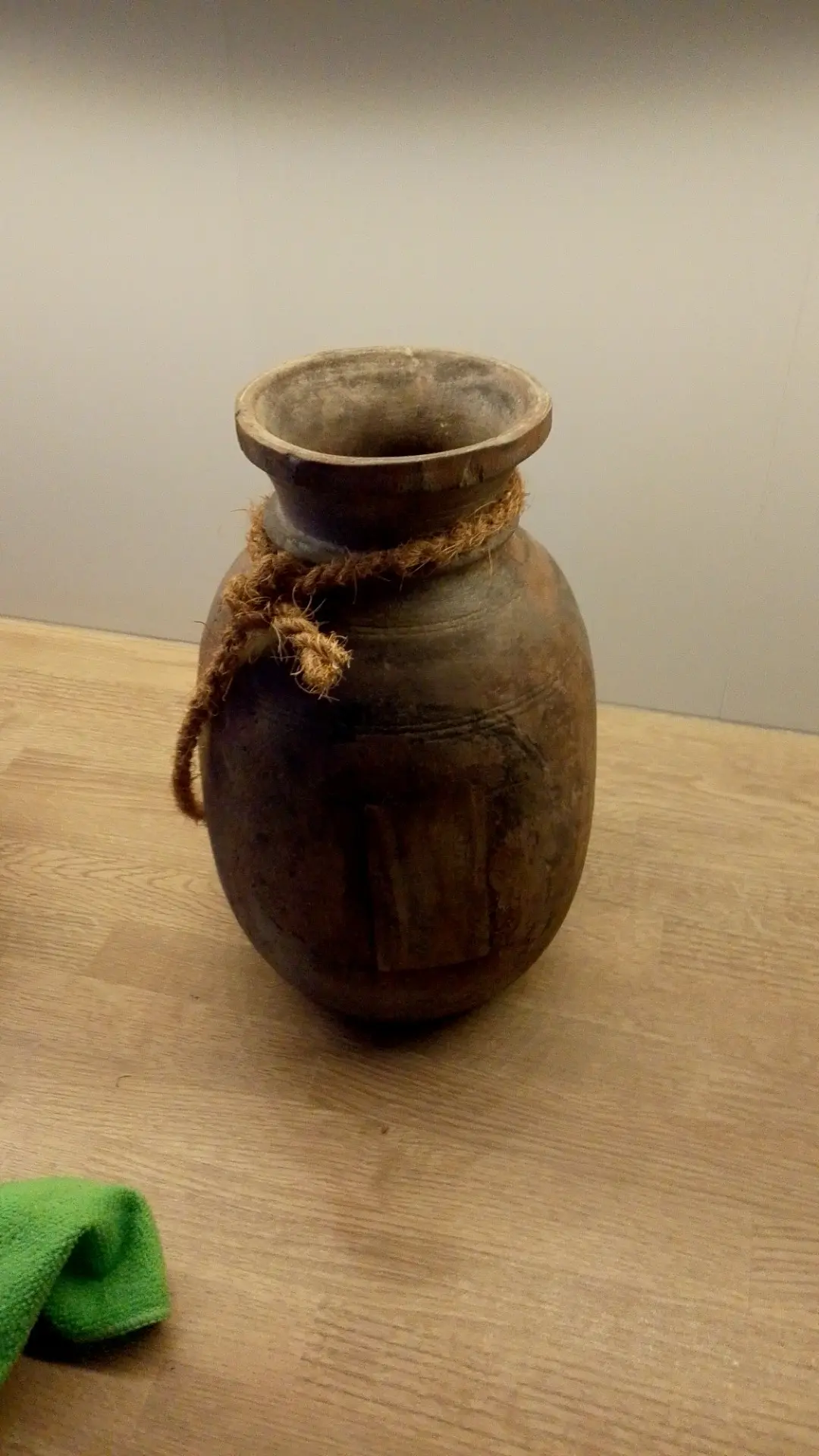
The vessel shows significant signs of age and use, including surface abrasions, minor chips, and a distinct crack or score line on one side, which appears stable. The unglazed finish has developed a rich patina from environmental exposure and handling. The coir rope is frayed in areas, consistent with age and probable use.
Glaze and painted decoration
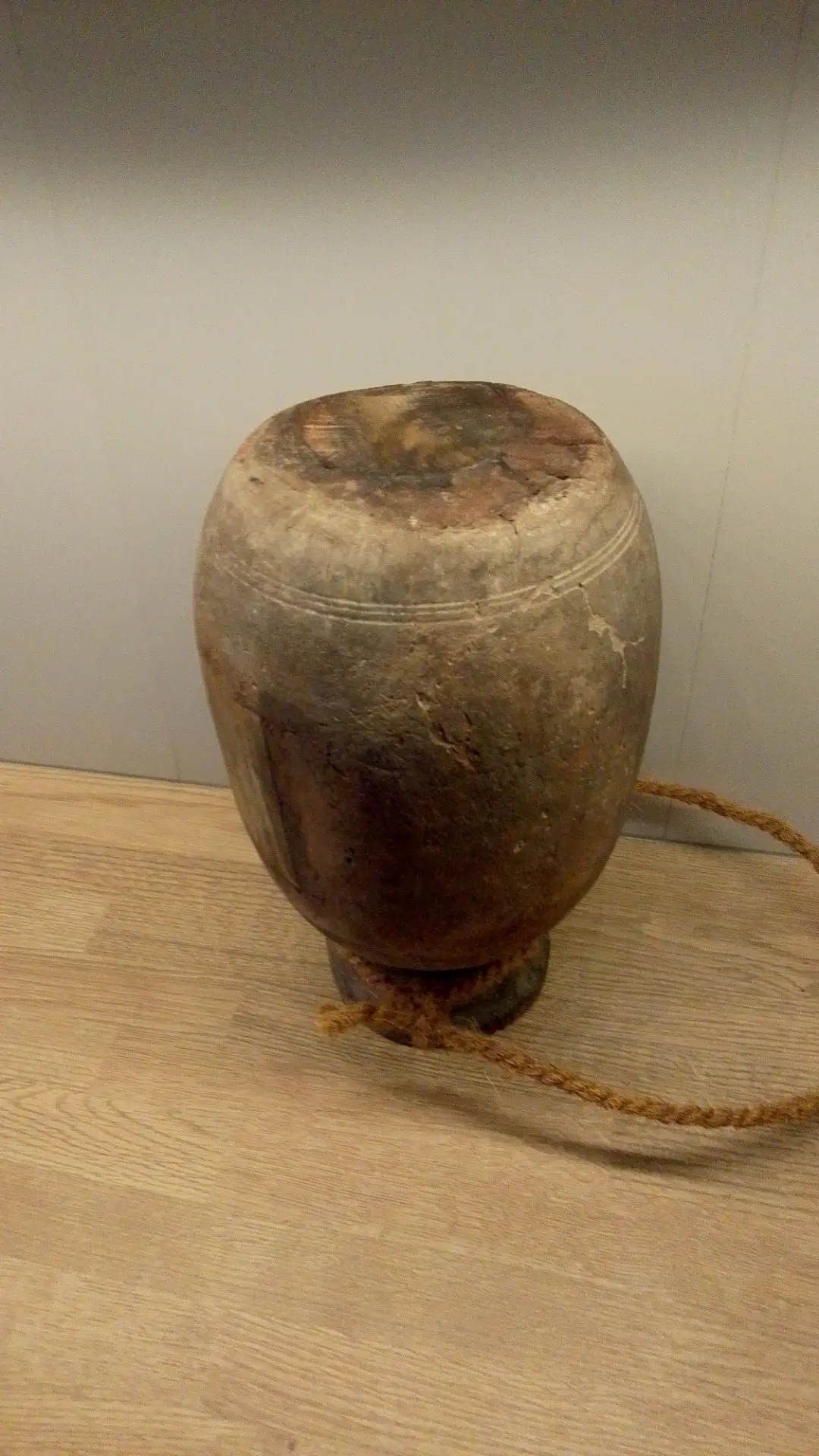
The surface is matte and unglazed, revealing the coarse texture of the earthenware clay. There are visible striations from the throwing process, and areas of discoloration that suggest long-term contact with moisture and natural earth elements. The coir rope is fibrous and appears worn.
Recorded physical details
Given its size and earthenware construction, it appears to be of moderate weight, substantial but manageable when empty, becoming heavy when filled with liquid.
Scarcity and surviving examples
Ordinary · 3/10 estimated rarity
This is a qualitative collection score, not a measured survival count, market percentile or proof of authenticity.
What the photographs establish
Interpretation of the photographs and supplied context. This does not authenticate the object.
- Utilitarian earthenware is generally not a target for forgery due to the low value-to-effort ratio.
- The visible wear patterns and natural patina are consistent with genuine age and use.
- Lack of identifying marks makes precise dating difficult, but also reduces the incentive for counterfeiting a specific maker.
Value and its basis
Estimate recorded: Feb 27, 2026
How we estimate value
- No documented comparable sales are shown for this estimate
- Condition, completeness & craftsmanship
- Demand assumptions may not reflect current transactions
- The range is an estimate, not an asking price or sale result
For informational purposes only, not a formal appraisal.
Related objects
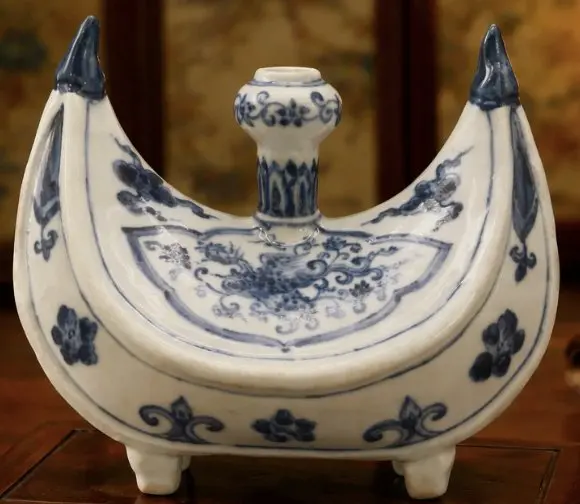
Blue and White Porcelain Crescent-Shaped Vessel
Same category
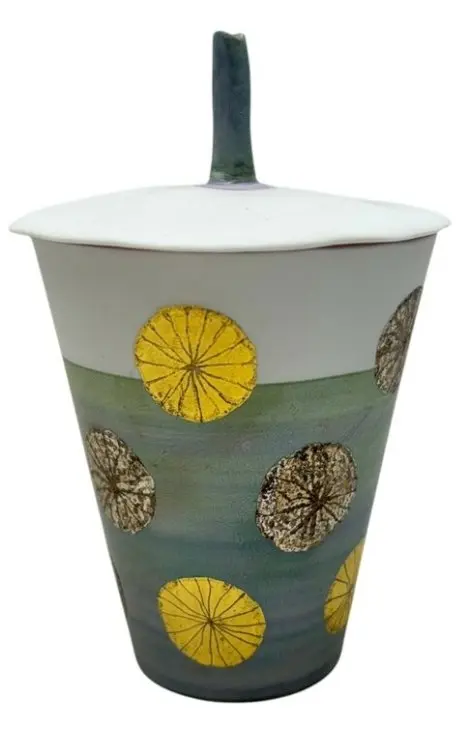
Arne Åse contemporary porcelain lidded vessel
Same category
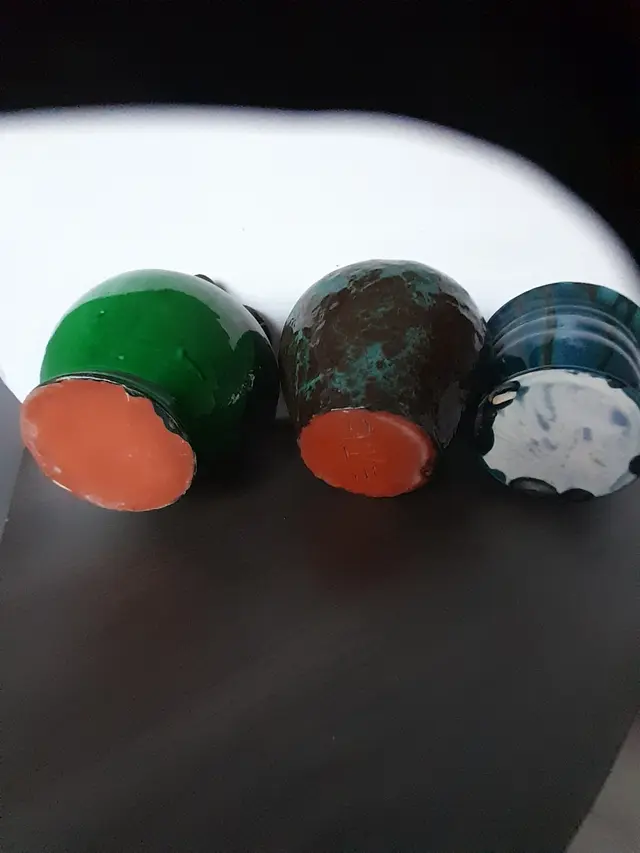
Mid-Century Modern Glazed Earthenware Jugs and Vase
Same category
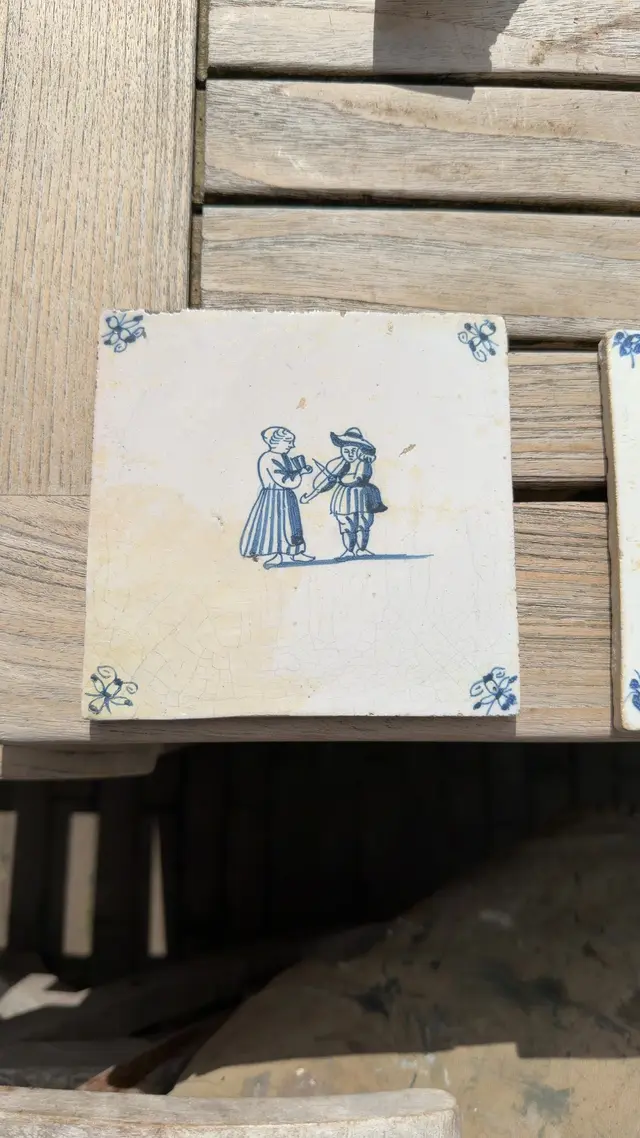
Delft Blue Tin-Glazed Earthenware Tile
Same category
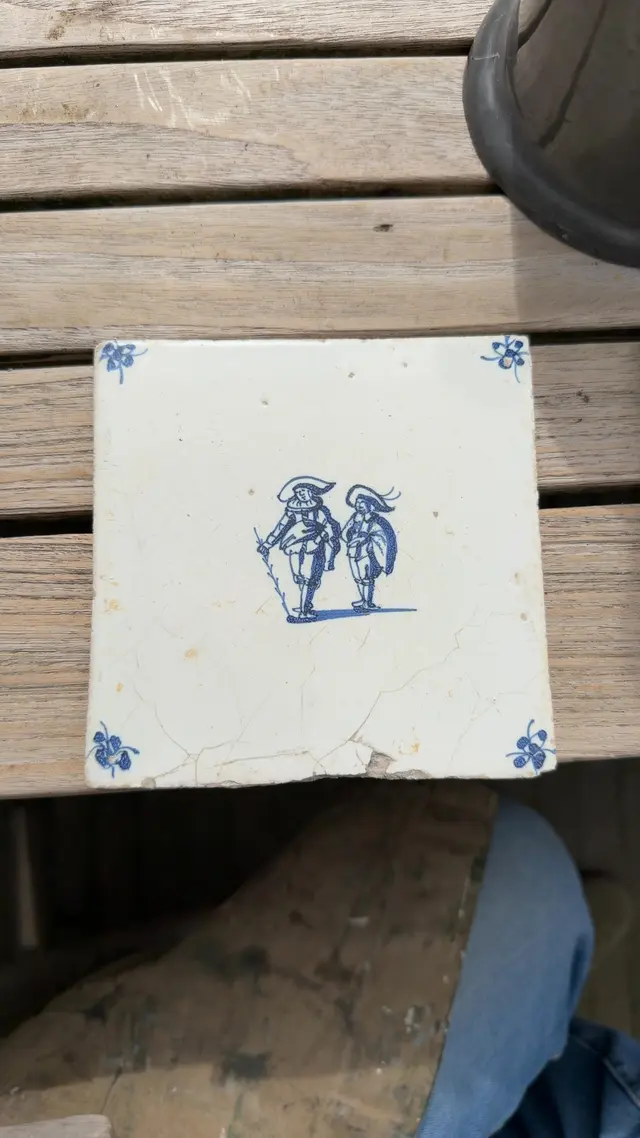
Delft Tin-Glazed Earthenware Tile
Same category
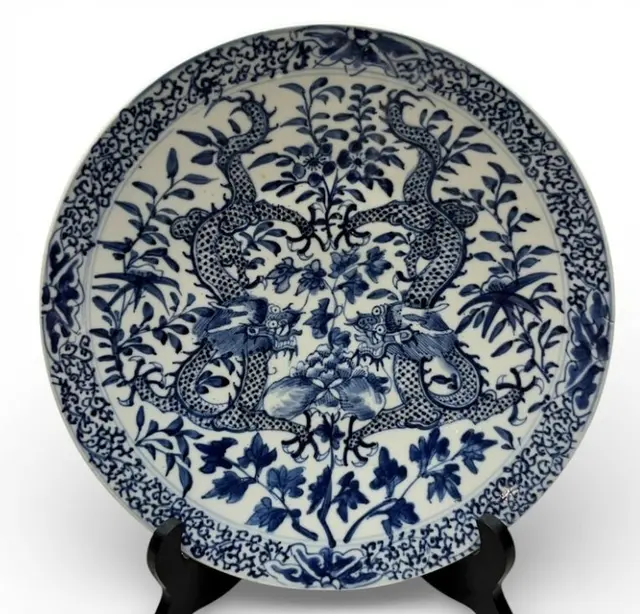
Chinese Blue and White Porcelain 'Dragon and Phoenix' Charger
Same category
Explore Ceramics & Pottery
Pottery, porcelain, stoneware, earthenware, and kiln-fired objects.
Ceramics & Pottery value and rarity guideShare this find
A place for your ceramics
Keep its photographs, maker’s marks and the story you know in one object record. Start with a photo.
Create an account for 10 free scans. No credit card needed.
Join the conversation