
Porcelain Urn-Shaped Vase with Romantic Landscape Scene and Dark Blue Glaze
Estimated value
$80 - $250Rarity
Average(4/10)Category
Ceramics & PotteryEra
Late 19th to Early 20th CenturyOrigin
InternationalArtist / Creator
L. Salli (possible interpretation of signature)Visual assessment
Photo analysis
Save to revisit in your watchlist. This does not add the object to your own collection.
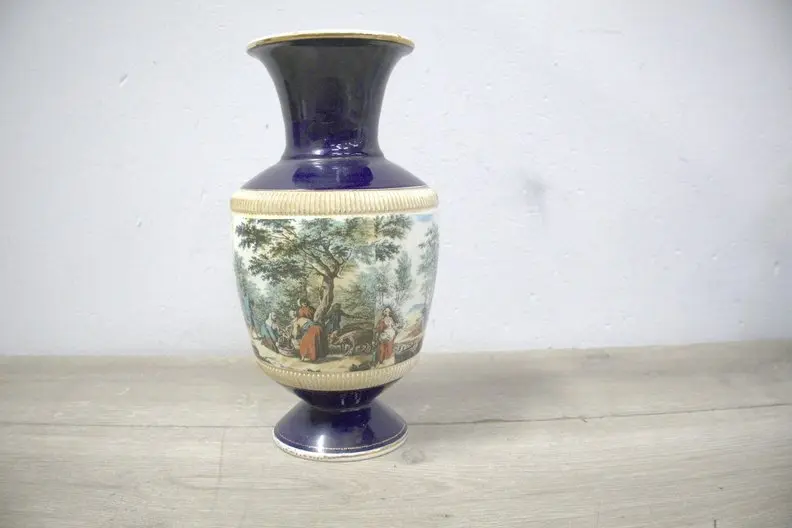
Porcelain Urn-Shaped Vase
This appears to be an urn-shaped porcelain vase, adorned with a romantic landscape scene featuring pastoral figures and livestock, likely applied as a transfer print. The primary body features a rich, dark blue glaze, contrasting with the cream-colored panels that frame the scenic decoration. A textured, possibly gilt, band borders the decorative panel at both the top and bottom, adding a classical or ornate touch. The form suggests an influence from classical pottery renewed in the neoclassical period, yet the decoration style points to a later production.
Related traditions
Neoclassicism
Late 18th - early 19th century
The urn form was a popular motif, referencing classical Greco-Roman ideals in decorative arts.
Romanticism
19th century
Idealized pastoral landscapes and genre scenes became a pervasive decorative theme across ceramics and other art forms.
Use and ceremony
18th Century
Porcelain vases were highly luxury items, often commissioned by royalty or aristocracy.
19th Century
Technological advances like transfer printing made decorative porcelain more accessible to the burgeoning middle class, becoming symbols of domestic refinement.
Origins and context
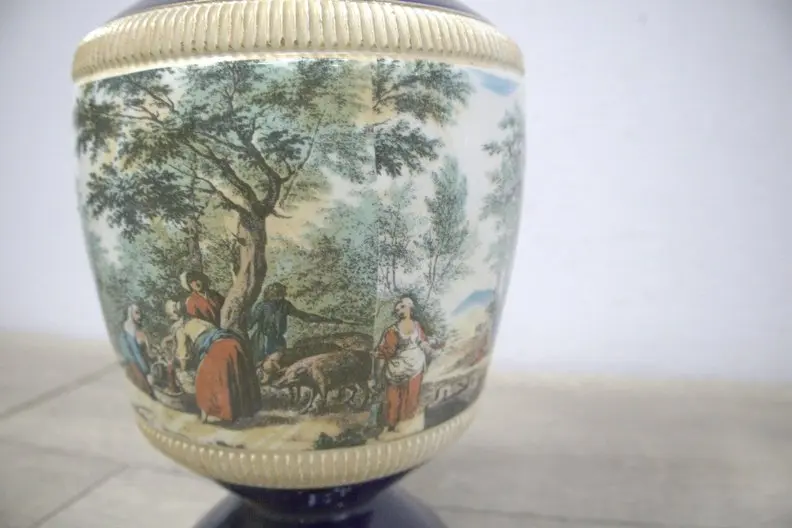
Decorative vases like this one, with pastoral or romantic landscape scenes, were exceptionally popular from the late 18th century through the 19th and early 20th centuries, particularly in Europe. These scenes, often inspired by Rococo and later Romantic sensibilities, aimed to evoke an idealized past and complement interiors furnished in corresponding styles. The use of transfer printing facilitated the mass production of such decorated wares, making them accessible to a wider market.
Further details
Transfer printing, a technique developed in the mid-18th century, revolutionized ceramic decoration by allowing complex images to be printed onto pottery, making elaborate designs more affordable and widespread.
The urn shape, deeply rooted in classical antiquity, was frequently reinterpreted in decorative arts during periods such as Neoclassicism, symbolizing permanence and aesthetic sophistication.
Attribution and evidence
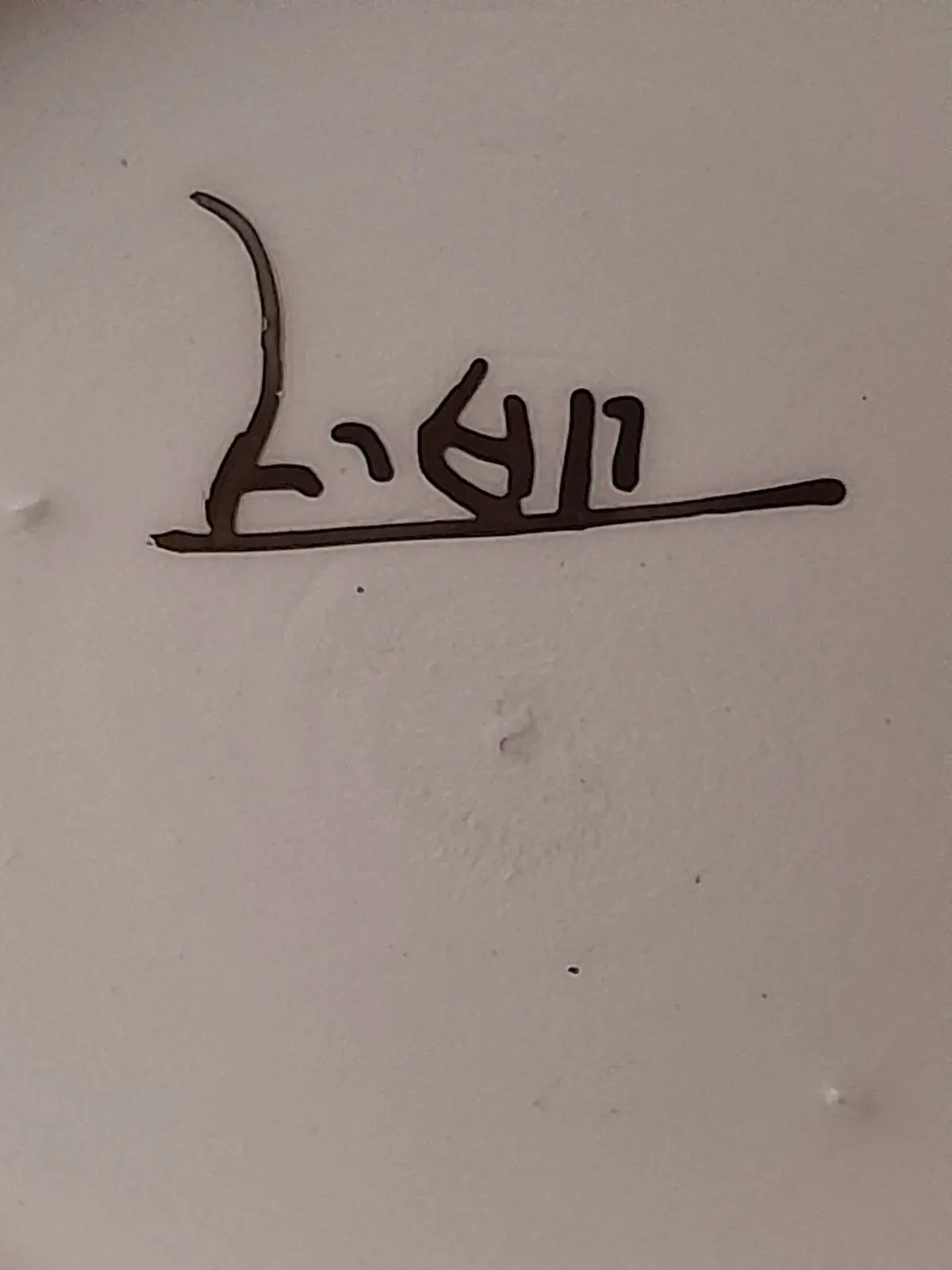
My confidence level is good as the object type and decoration method are clearly identifiable. However, the illegibility of the base mark prevents precise maker attribution and dating, which would significantly increase certainty.
Identifying details
- 1Urn-shaped porcelain body with distinct dark blue and cream glazed sections.
- 2Central decorative panel features a transfer-printed romantic landscape scene.
- 3Textured, possibly gilt, bands border the decorated panel.
- 4Hand-painted mark on the base suggests a factory or decorator's signature, though currently illegible.
Open questions
- •The quality of the transfer print is difficult to assess fully for fine detail from the images.
- •The mark on the base requires clearer imagery for identification.
Photographs that would help
- High-resolution close-up of the mark on the base for deciphering.
- Examine the interior and footrim for any additional marks, wear patterns, or kiln evidence.
- Gentle finger-swipe test across the transfer print to feel for any slight relief if overglaze or fully smooth if underglaze.
- UV light examination to check for any hidden repairs or restorations, particularly on the blue glaze.
Terms in this record
- Transfer print
- A method of decorating ceramics or other materials by transferring an engraved design from a copper plate via a specially prepared paper onto the surface, which is then fired to fix the design.
- Underglaze
- Decoration applied directly onto the unfired or biscuit-fired ceramic body, which is then covered with a transparent glaze and fired at a high temperature. This technique makes the decoration very durable.
- Overglaze
- Decoration applied onto a previously glazed ceramic surface, which is then fired at a lower temperature to fuse the decoration to the glaze. Overglaze decorations often have a slightly raised feel and can wear over time.
Wear and preservation
The vase appears to be in generally good condition, with no immediately obvious large chips or cracks visible in the provided images. The luster of the blue glaze and the clarity of the transfer print seem well-preserved. Minor wear consistent with age, particularly to any gilding on the textured bands, would be expected but is not clearly discernible here.
Glaze and painted decoration
The surface exhibits a glossy, dark cobalt blue glaze on the neck and foot, with a smooth, bright white ground for the central transfer-printed landscape panel. The textured bands above and below the scene suggest a relief pattern, possibly enhanced with gilding or a metallic finish, though its precise material is difficult to ascertain from the image. The mark on the bottom appears to be hand-painted underglaze.
Recorded physical details
Based on the porcelain material and its size, this vase would likely feel substantial and reasonably weighty, indicating robust construction rather than a lightweight, mass-produced ceramic.
Scarcity and surviving examples
Average · 4/10 estimated rarity
This is a qualitative collection score, not a measured survival count, market percentile or proof of authenticity.
What the photographs establish
Interpretation of the photographs and supplied context. This does not authenticate the object.
- The mark on the base is difficult to decipher from the provided image, limiting precise attribution.
- Transfer-printed ceramics were widely produced, making precise dating without a clear maker's mark challenging.
- Reproduction of this style is common, though this piece appears to have some age.
Value and its basis
Estimate recorded: Feb 27, 2026
How we estimate value
- No documented comparable sales are shown for this estimate
- Condition, completeness & craftsmanship
- Demand assumptions may not reflect current transactions
- The range is an estimate, not an asking price or sale result
For informational purposes only, not a formal appraisal.
Related objects
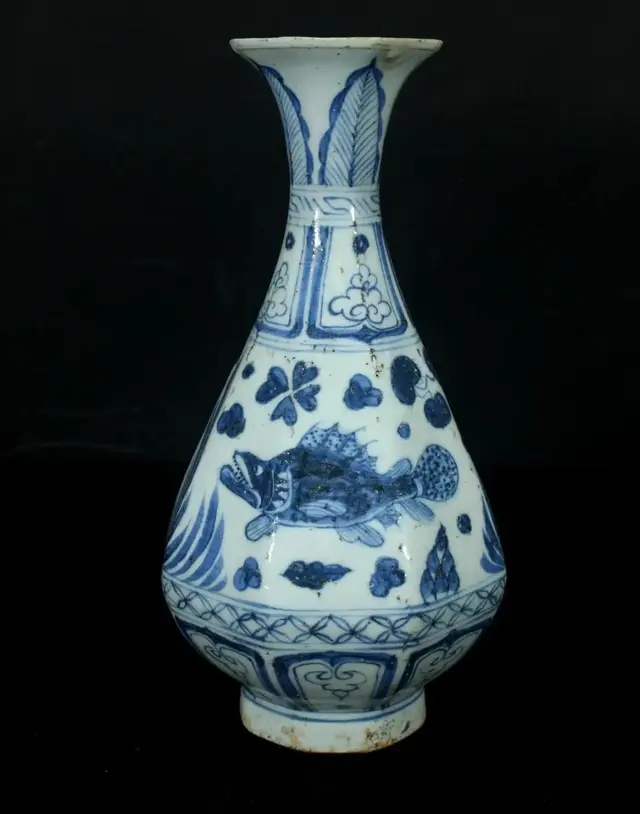
Octagonal Blue and White Pear-Shaped Vase (Yuhuchunping)
Shared title details
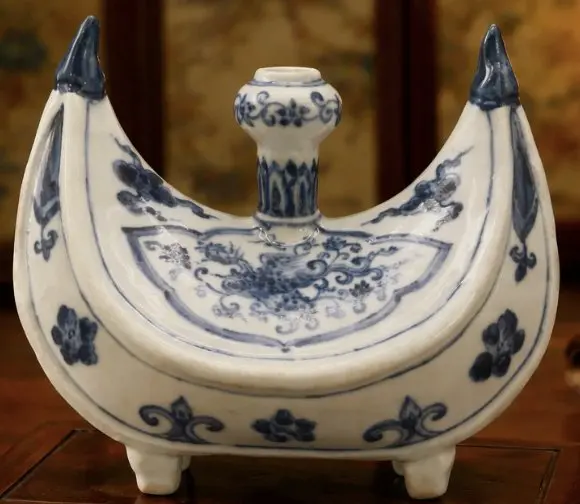
Blue and White Porcelain Crescent-Shaped Vessel
Shared title details
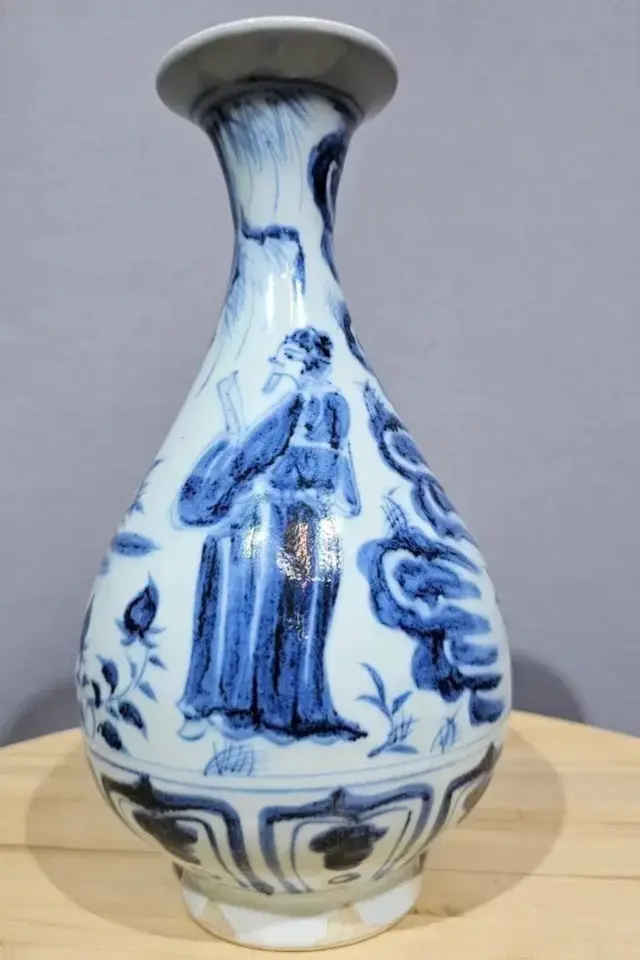
Blue and White Yuhuchunping (Pear-shaped Vase)
Shared title details
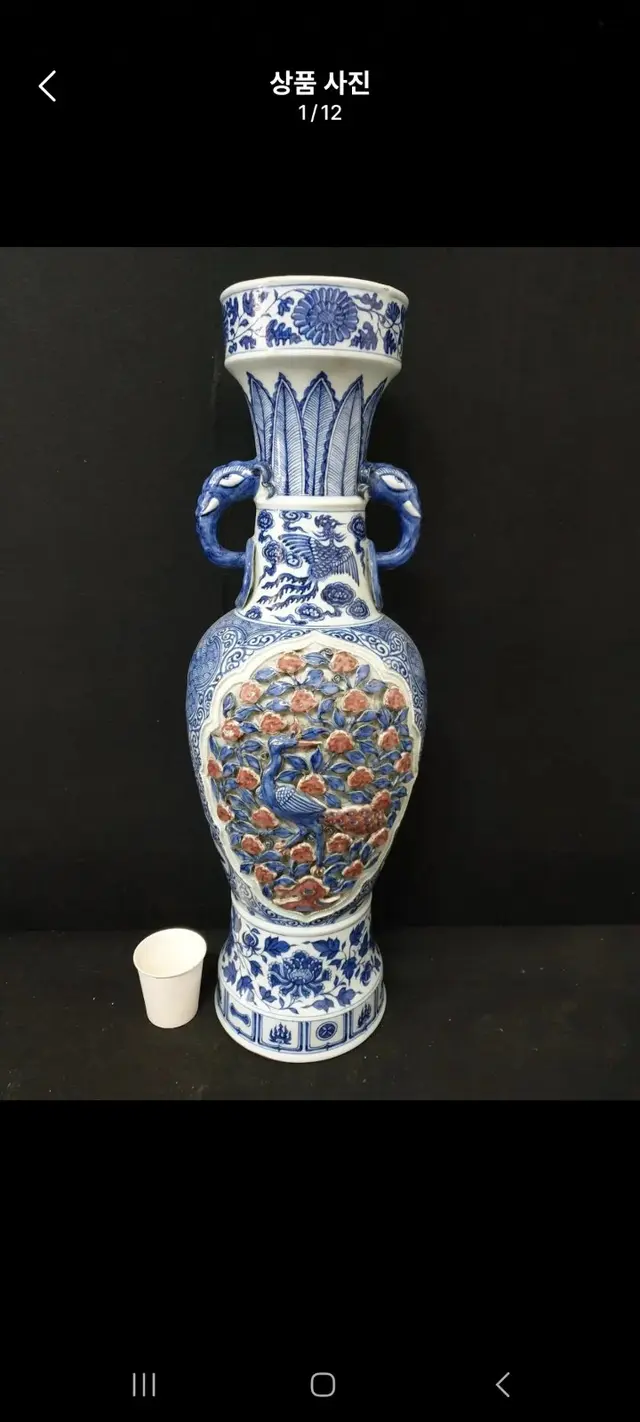
Chinese Blue and White Porcelain 'Peacock' Vase with Reticulated Openwork
Shared title details
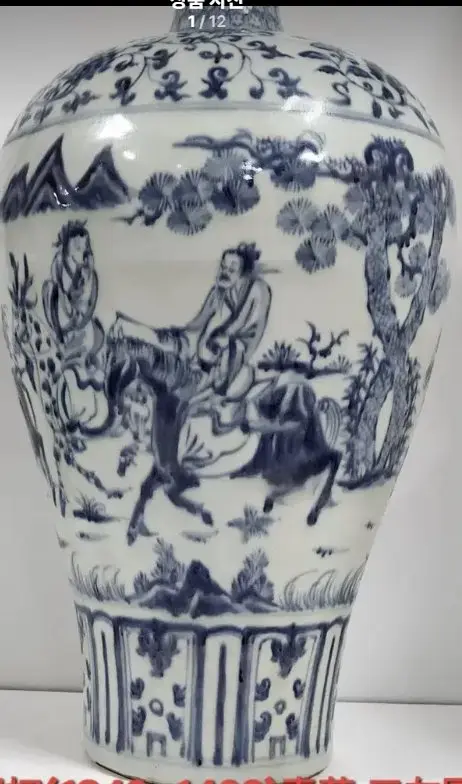
Chinese Blue and White 'Meiping' Vase with Figurative Scene
Shared title details
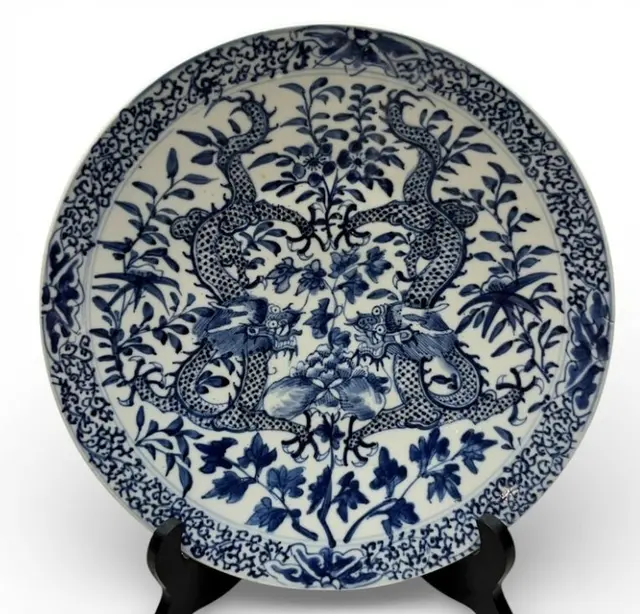
Chinese Blue and White Porcelain 'Dragon and Phoenix' Charger
Shared title details
Explore Ceramics & Pottery
Pottery, porcelain, stoneware, earthenware, and kiln-fired objects.
Ceramics & Pottery value and rarity guideShare this find
A place for your ceramics
Keep its photographs, maker’s marks and the story you know in one object record. Start with a photo.
Create an account for 10 free scans. No credit card needed.
Join the conversation