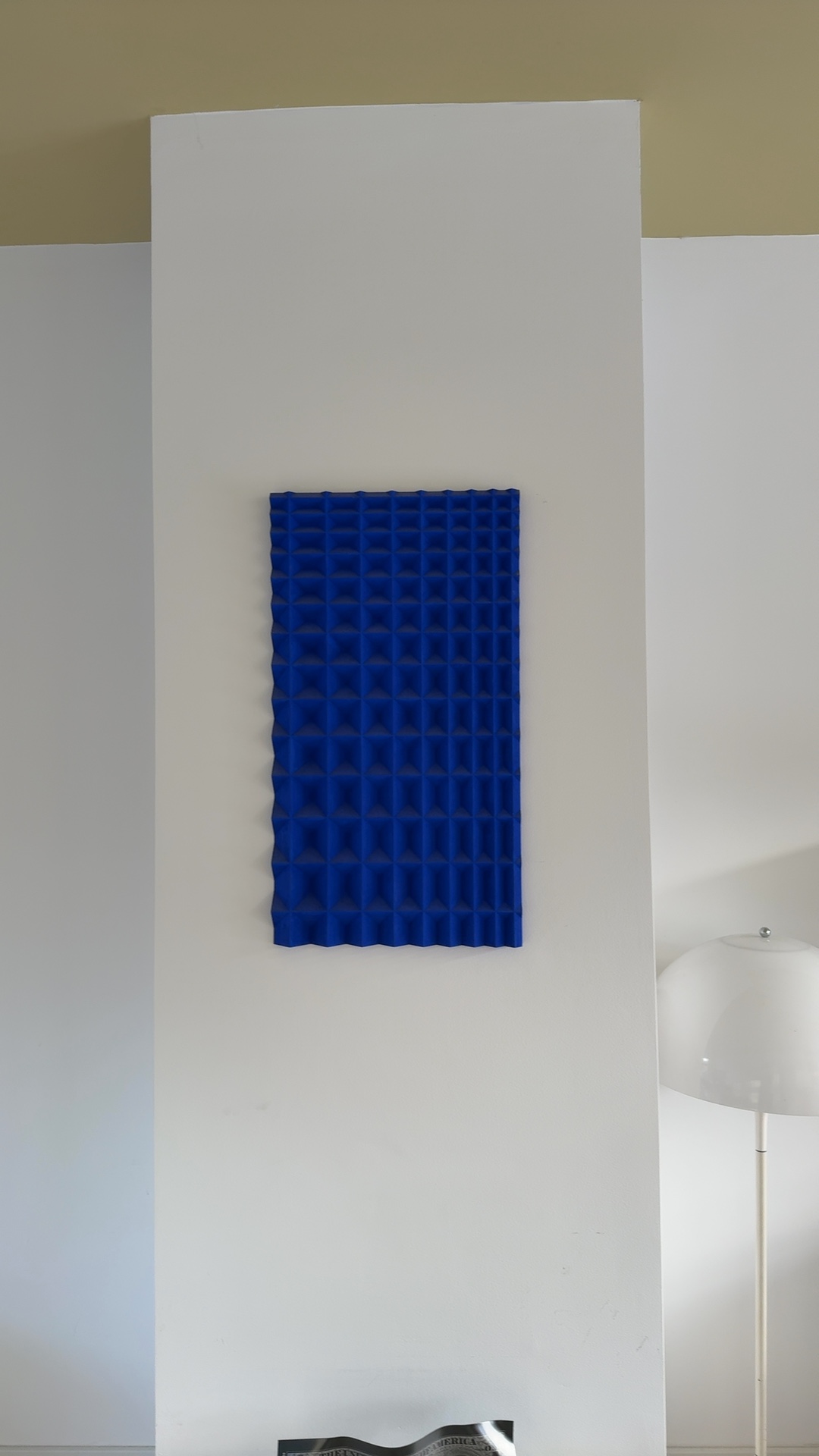
Manner of Yves Klein - Relief Éponge (Blue Sponge Relief), Monochrome Mixed Media
Estimated value
$400 - $1,200Rarity
Average(4/10)Category
PaintingsEra
late 20th centuryOrigin
🇫🇷 FranceArtist / Creator
In the manner of Yves KleinAuthenticity
MANNER OF YVES KLEIN - RELIEF ÉPONGE (BLUE SPONGE RELIEF), MONOCHROME MIXED MEDIA: IDENTIFICATION
A vertical rectangular monochrome relief featuring a repetitive 10x15 grid of pyramidal recesses. The object is saturated in a deep ultramarine pigment consistent with the visual properties of International Klein Blue (IKB). The surface displays a porous, granular texture suggesting a composite of resin and dry pigment over a molded substrate, likely foam or plaster.
Compare with other paintings in the archive: Surrealist Painting by William Vandenjoc, Abstract Expressionist Landscape Painting, Winterzon by Ansje Siel (2023).
CROSS-CULTURAL PARALLELS
Where This Object Echoes
The movement emphasized 'new ways of perceiving the real' through industrialized or elemental materials.
Ritual & Ceremonial Use
- •Modern interior curation where the monochrome serves as a focal point for 'void' contemplation.
Meaning Through Time
Ultramarine represented the sky and the infinite/immaterial.
The specific hue functions as a high-design shorthand for 20th-century avant-garde prestige.
PERIOD & ATTRIBUTION
COLLECTOR NOTES
The 1960 patent for International Klein Blue (IKB) focuses not on the pigment itself, but on the chemical binder that allows the blue to appear as pure, powdery dust.
SCARCITY
Typical antique shop fare. Requires some searching but regularly available. This is where most genuine antiques fall.
Rarity 4/10. Curiosa currently catalogues 42 paintings items at rarity 4 or higher.
Typical Characteristics
- Standard antique shop items
- Regularly available
- Moderate collector interest
Confidence Factors
- Grid pattern is more regular than typical Klein organic sponge reliefs
- Lack of visible gallery labels or artist signatures in the provided angles
- High prevalence of professionally produced 'IKB' style decorative editions
Expert review recommended. Consider consulting a specialist before making purchasing decisions.
THE ART SPECIALIST'S TAKE
Museum-Trained Art Historian
The work is clearly stylized after Yves Klein, but the rigid geometric grid is atypical for his most famous 'Sponge Reliefs,' suggesting it is likely an authorized edition, a follower's work, or a high-end decorative piece.
KEY EVIDENCE
- 1Ultramarine saturation mimics the optical properties of IKB.
- 2Geometric grid suggests a molded industrial process rather than hand-applied organic sponges.
- 3Surface texture indicates a dry-pigment-heavy medium.
UNCERTAINTIES
- •Absence of irregular natural sponge elements common in authorized Klein reliefs.
- •Uniformity of the molded grid suggests commercial or editioned production.
WHAT WOULD IMPROVE CERTAINTY
- →Examine the reverse for 'Yves Klein Archives' stamps or numbering.
- →Check for a signature or date on the lateral edges of the frame/substrate.
- →Use a soft goat-hair brush to assess the stability of the pigment layer.
CONDITION & GRADE
Grading breakdown
Maintains high color intensity; geometric peaks appear intact without significant chipping or compression typical of foam-based reliefs.
Condition
Minor dust accumulation within the lower pyramidal recesses; slight edge wear on the perimeter ridges. No visible pigment flaking or chemical degradation.
ART MARKET VALUATION
Updated: May 10, 2026
Who buys this
Mid-century modern art collectors and interior designers seeking high-impact minimalist visual statements.
What increases value
- •Intensity and preservation of the blue pigment
- •Structural integrity of the fragile pyramidal peaks
- •Possible ties to a recognized design house or studio edition
What lowers value
- •Exposure to direct sunlight which can cause binding agents to degrade
- •Surface scuffing which is highly visible on matte pigment finishes
What makes top-tier examples
- •Authorized numbering from the Klein estate
- •Use of natural sponges versus molded synthetic patterns
- •Documented provenance from a specialist gallery
Grade & condition
Pigment stability, absence of crushing on geometric points, and cleanliness of the porous surface.
Rarity & demand
For informational purposes only, not a formal appraisal.

SIMILAR CURIOSITIES
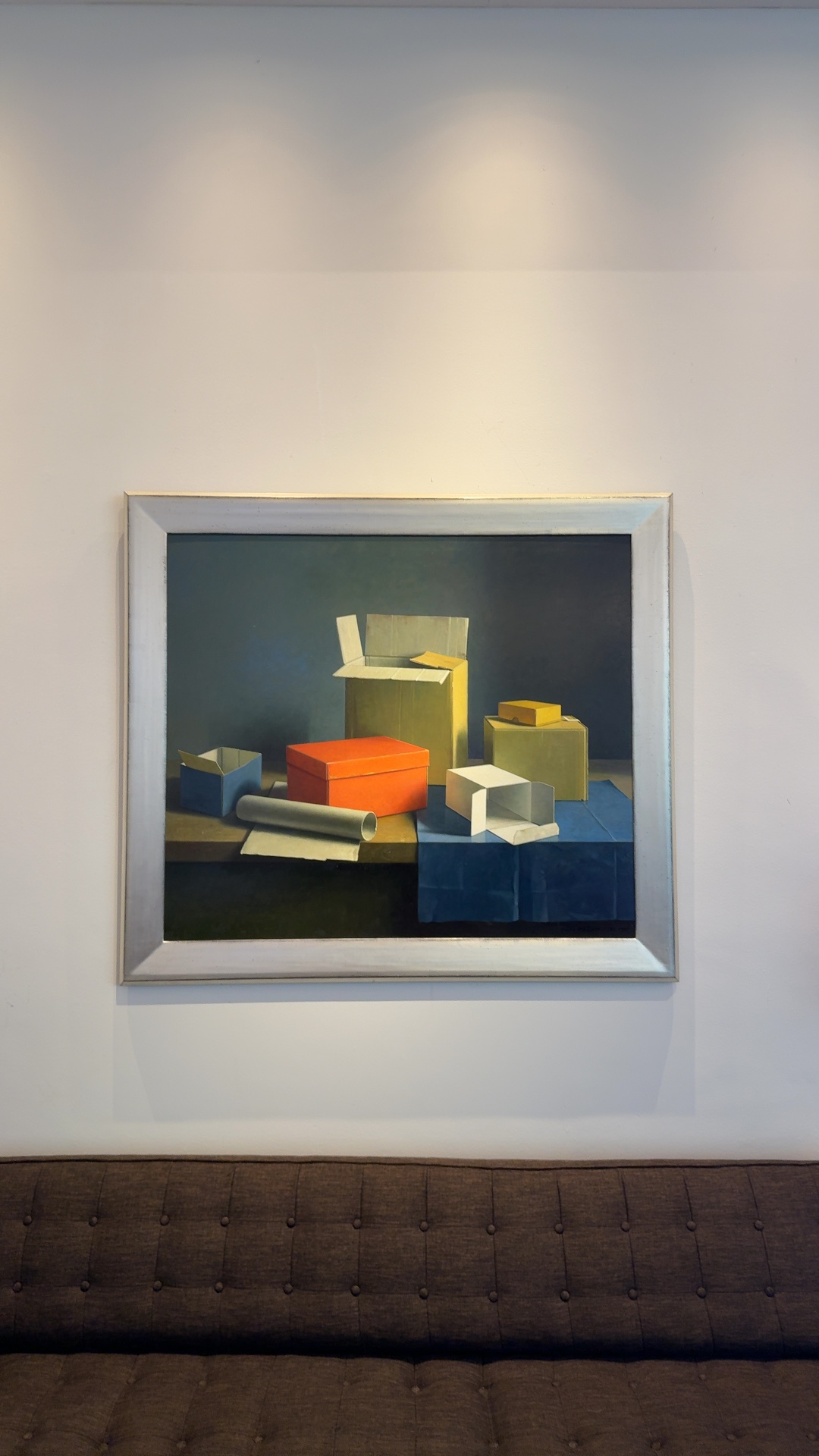
Still Life with Cardboard Boxes by Henk Helmantel
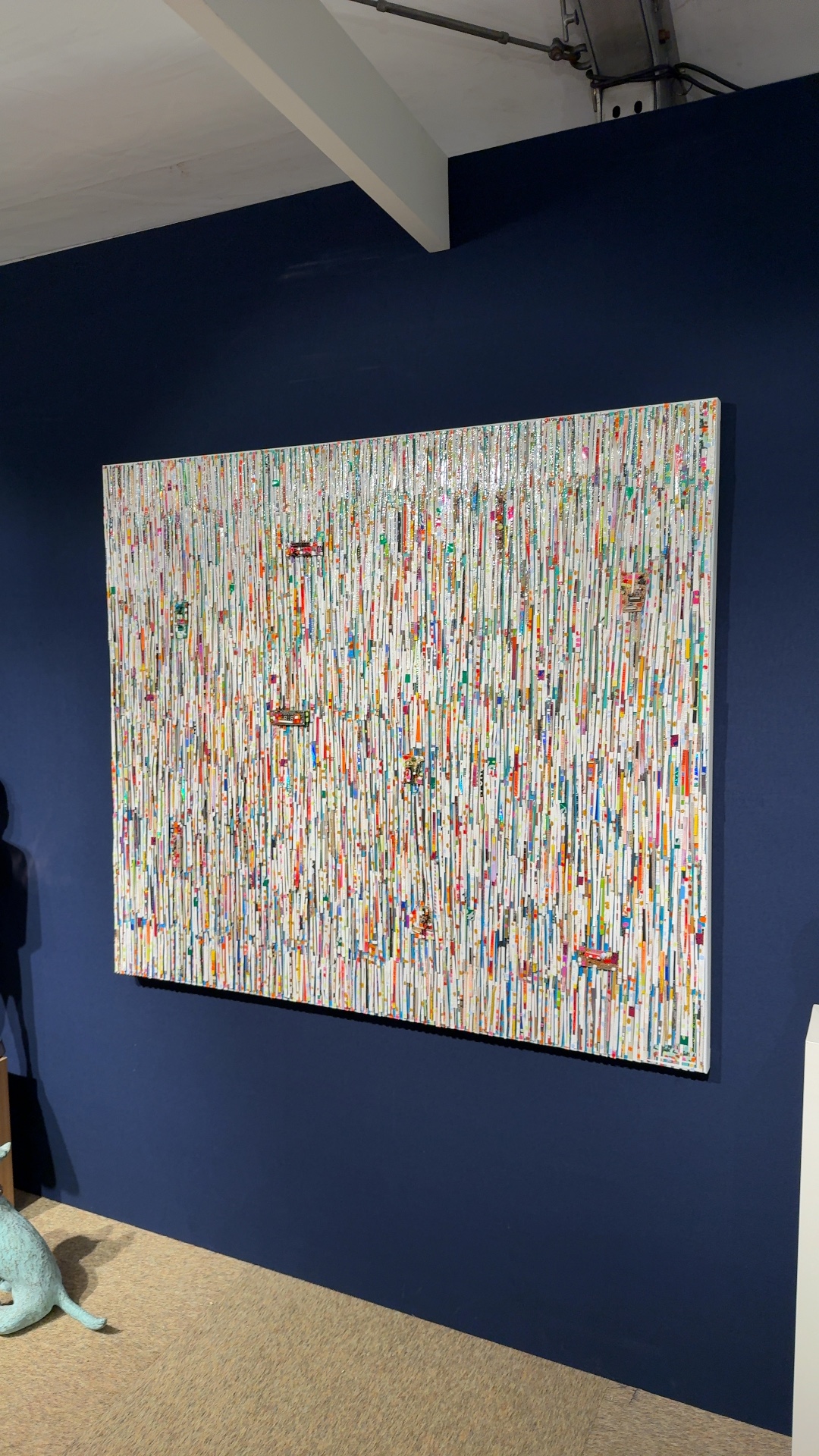
Chris R. C. Jones (British, b. 1986) - Data-painting, Mixed-media assemblage on panel
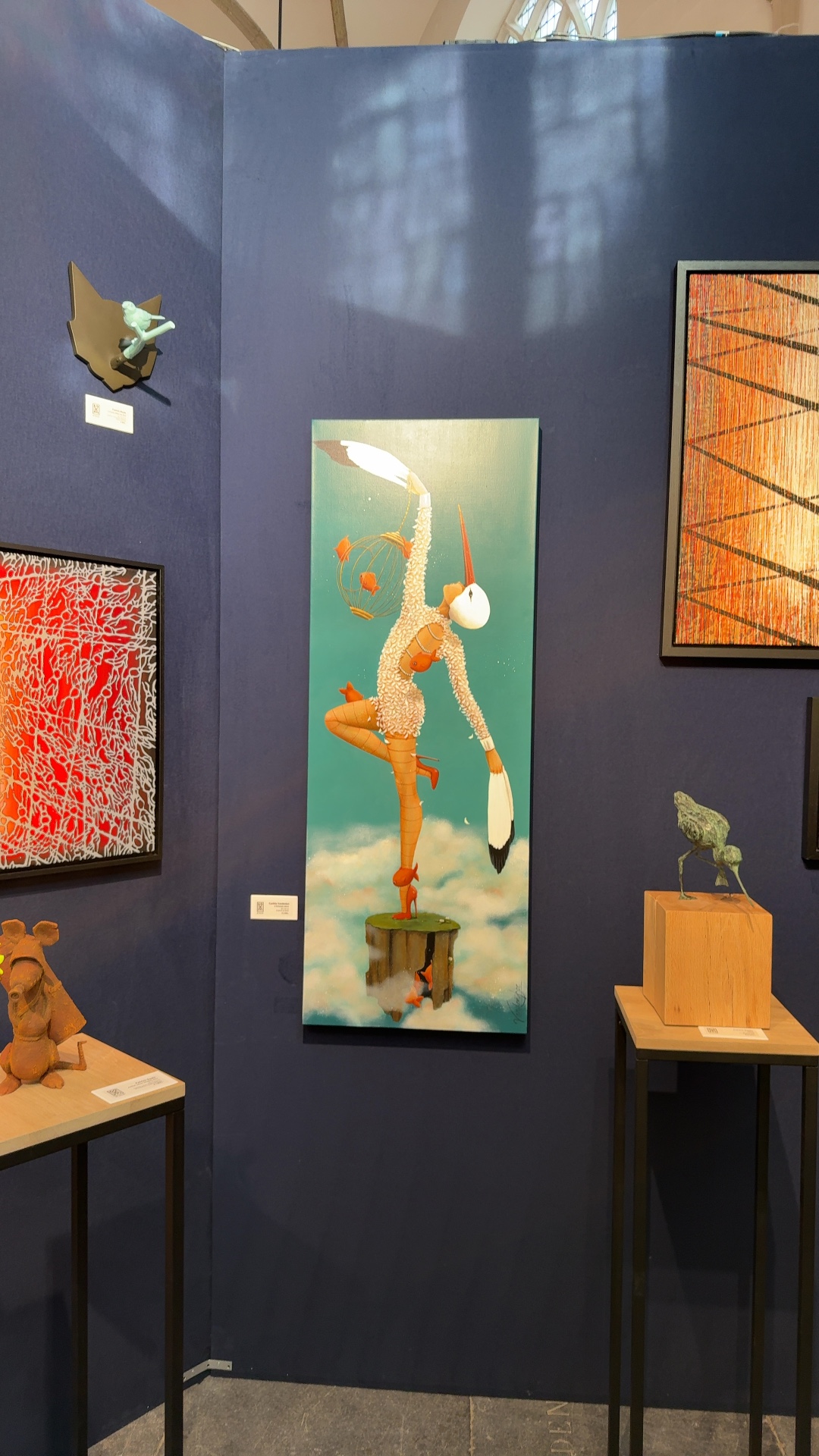
Surrealist Painting by William Vandenjoc
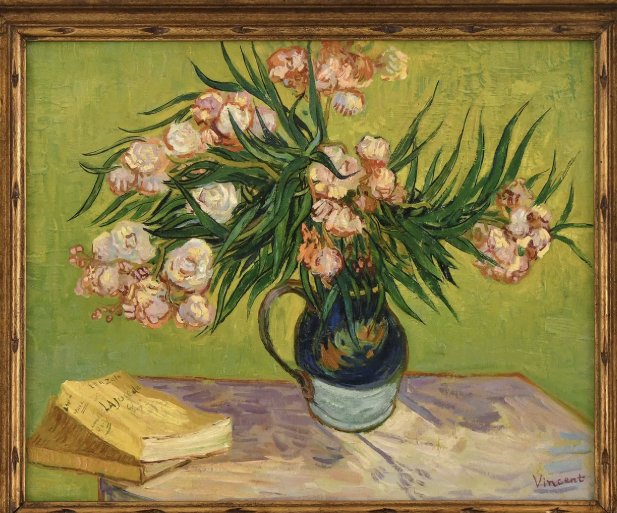
Oleanders (Still Life with Oleanders and Books)
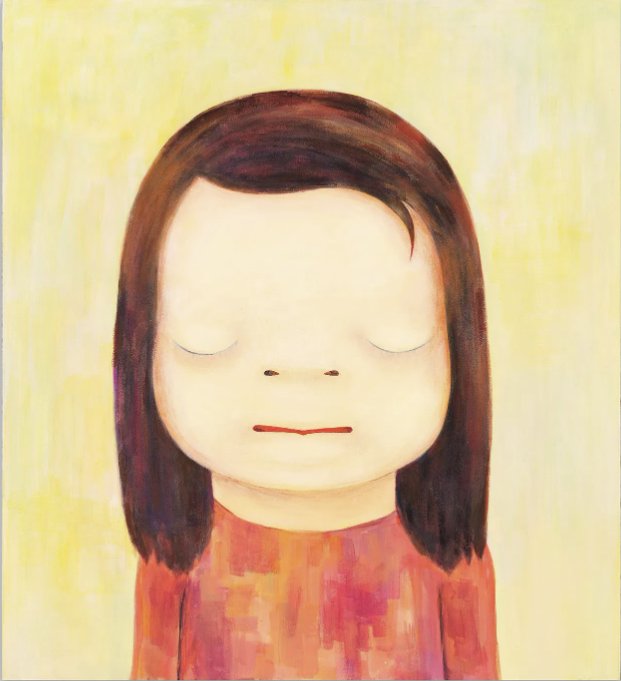
Original Painting Attributed to Yoshitomo Nara
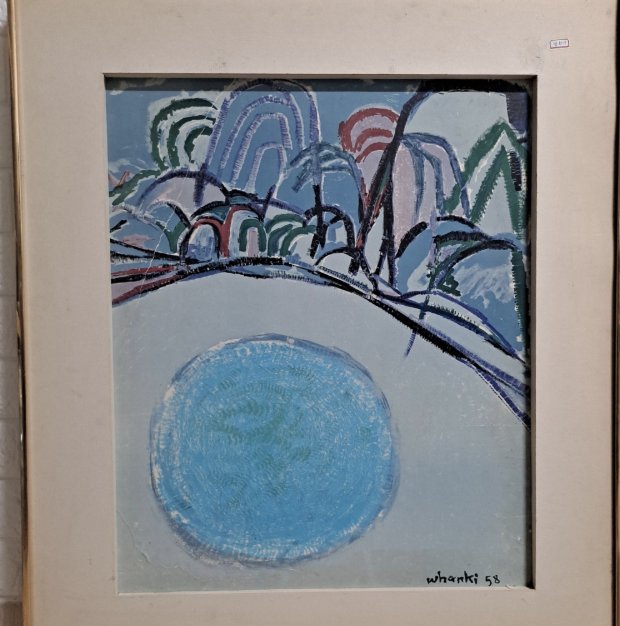
Composition in Blue, Attributed to Kim Whanki
ABOUT PAINTINGS
Oil paintings, watercolors, acrylics, and painted works on canvas, panel, and paper.
Paintings value and rarity guideSHARE THIS CURIOSITY
Have your own curiosities to discover?
Scan Your Curiosity
COMMENTS
No comments yet. Be the first to share your thoughts!
Sign in to leave a comment