German Gesteinstein-Pfeife (Alpine Hunter's Pipe)
Authenticity
GERMAN GESTEINSTEIN-PFEIFE (ALPINE HUNTER'S PIPE): IDENTIFICATION
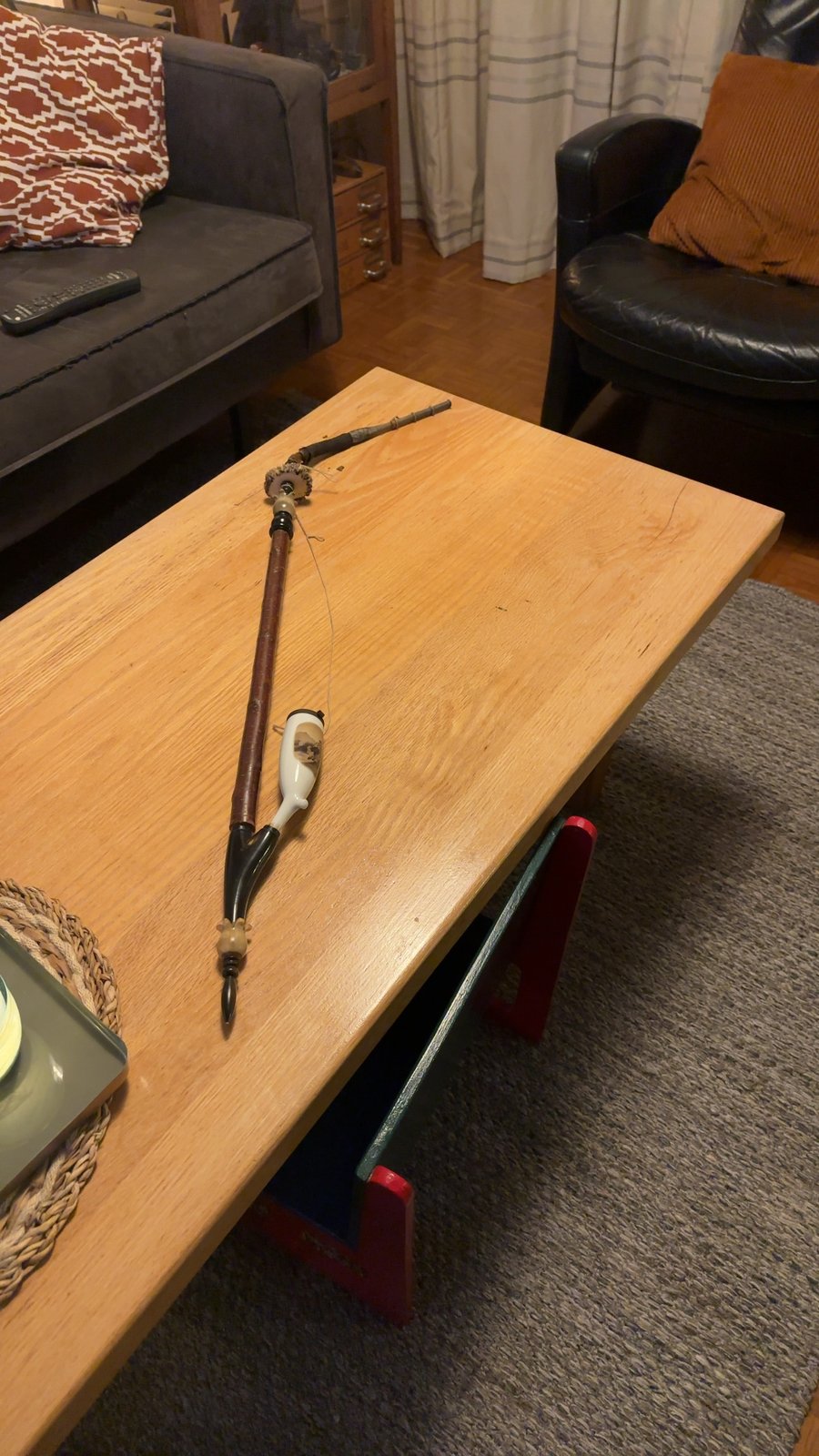
A multi-component ceremonial smoking pipe featuring a porcelain stummel (bowl), a cherry wood (Weichsel) stem section, and decorative horn/antler mountings. The porcelain bowl is decorated with a polychrome transfer scene depicting a traditional hunter in Alpine dress. The long-stemmed construction includes a flexible braided section and a stag horn rosette spacer near the mouthpiece.
Compare with other items in the archive: Mathurin Moreau (French, 1822–1912) - Andromeda, Bronze Figural Sculpture, American Oak Sideboard or Dresser with Serpentine Front - c.1890-1910, Silver Figural Sardine Fork with Barley Twist Stem.
PERIOD & PROVENANCE
SCARCITY
Typical antique shop fare. Requires some searching but regularly available. This is where most genuine antiques fall.
Rarity 4/10. Curiosa currently catalogues 18 antiques items at rarity 4 or higher.
Typical Characteristics
- Standard antique shop items
- Regularly available
- Moderate collector interest
Confidence Factors
- Materials (porcelain, cherry wood, antler) are consistent with late 19th-century German manufacturing
- Wear patterns on the braided flexible section suggest authentic age rather than modern reproduction
- Transfer print style matches Bavarian motifs common between 1890 and 1910
ANTIQUARIAN'S ASSESSMENT
Antique Tobacciana Specialist
The item follows a highly standardized regional design pattern with materials (cherry wood, antler, porcelain) that are diagnostic for this specific category and era.
KEY EVIDENCE
- 1Porcelain stummel with Alpine hunter transfer print
- 2Cherry wood (Weichsel) stem construction
- 3Stag horn/antler rosette decorative spacer
- 4Modular push-fit assembly typical of Central European pipes
- 5Gesteinstein moisture trap design
UNCERTAINTIES
- •The cord connecting the bowl to the stem may be a later non-original string replacement
- •Fragility of the braided flexible tubing suggests it may no longer be airtight for functional use
WHAT WOULD IMPROVE CERTAINTY
- →Check the interior of the porcelain bowl for makers' marks (often found near the transition to the stem)
- →Examine the metal lid (if present) for hallmarks or factory stamps
- →Gently test the friction fit of the wood sections to ensure they haven't swollen or cracked
CONDITION & GRADE
Condition
Significant wear is visible on the flexible braided stem section, showing fraying and loss of structural integrity. The porcelain bowl appears intact, though the metal mounting and safety cord show heavy oxidation and replacement-level wear.
ANTIQUES MARKET VALUATION
Updated: May 11, 2026
Who buys this
Tobacciana collectors and enthusiasts of Black Forest or Alpine folk art antiques.
What increases value
- •Integrity of the porcelain bowl transfer print
- •Originality of the antler components
- •Presence of the moisture trap and metal fitting
What lowers value
- •Severe fraying of the flexible stem section
- •Cracks in the porcelain bowl or loss of the metal lid
- •Non-original cord replacements
What makes top-tier examples
- •Hand-painted bowls vs. transfer prints
- •Silver-mounted fittings rather than base metal
- •Full provenance to a specific Bavarian hunting club
Grade & condition
Condition of the flexible stem, clarity of the bowl artwork, and completeness of all modular pieces.
Rarity & demand
For informational purposes only, not a formal appraisal.
SIMILAR CURIOSITIES
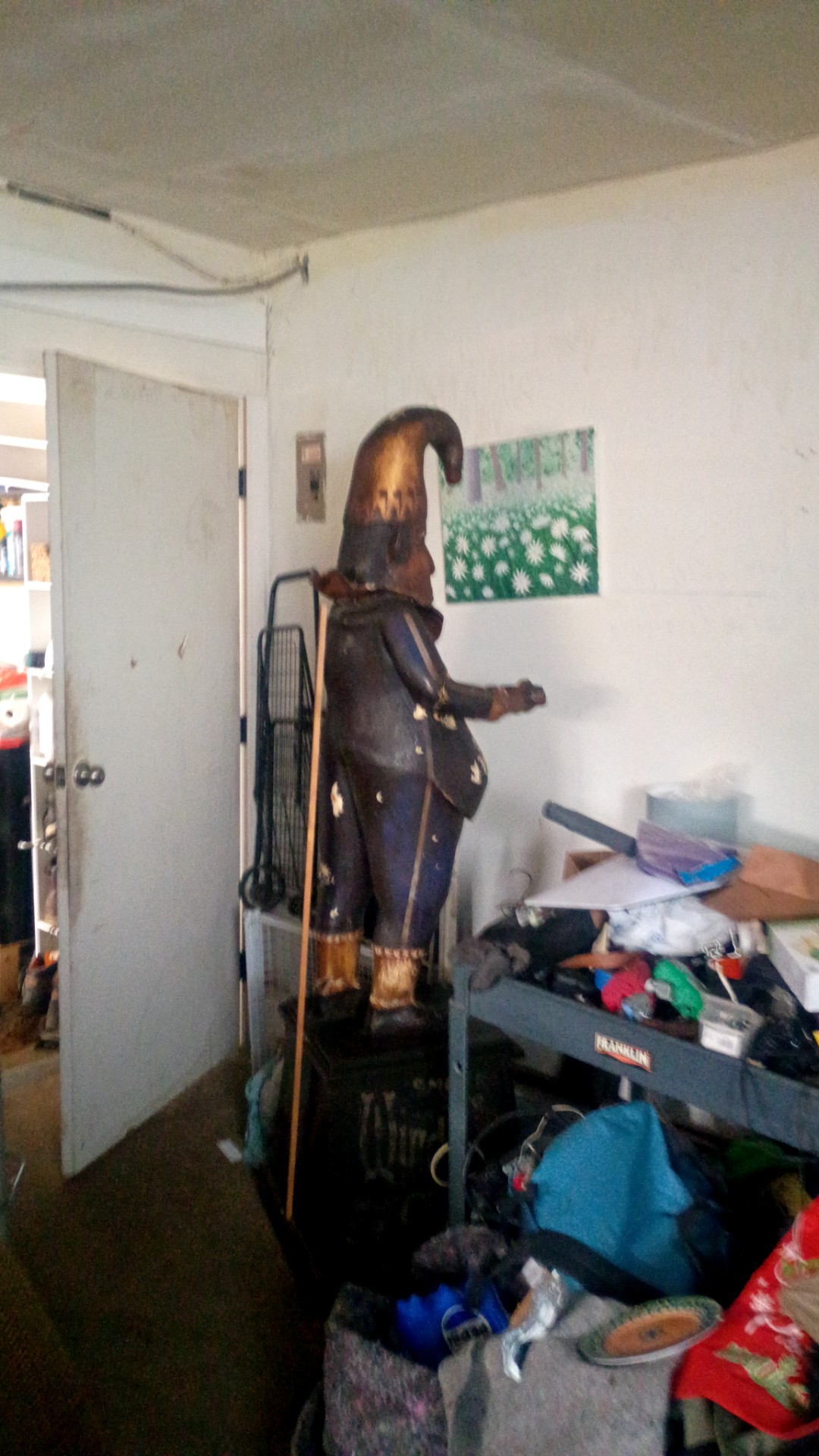
Carved Wooden Punch Figure Cigar Store Style Tobacconist Figure
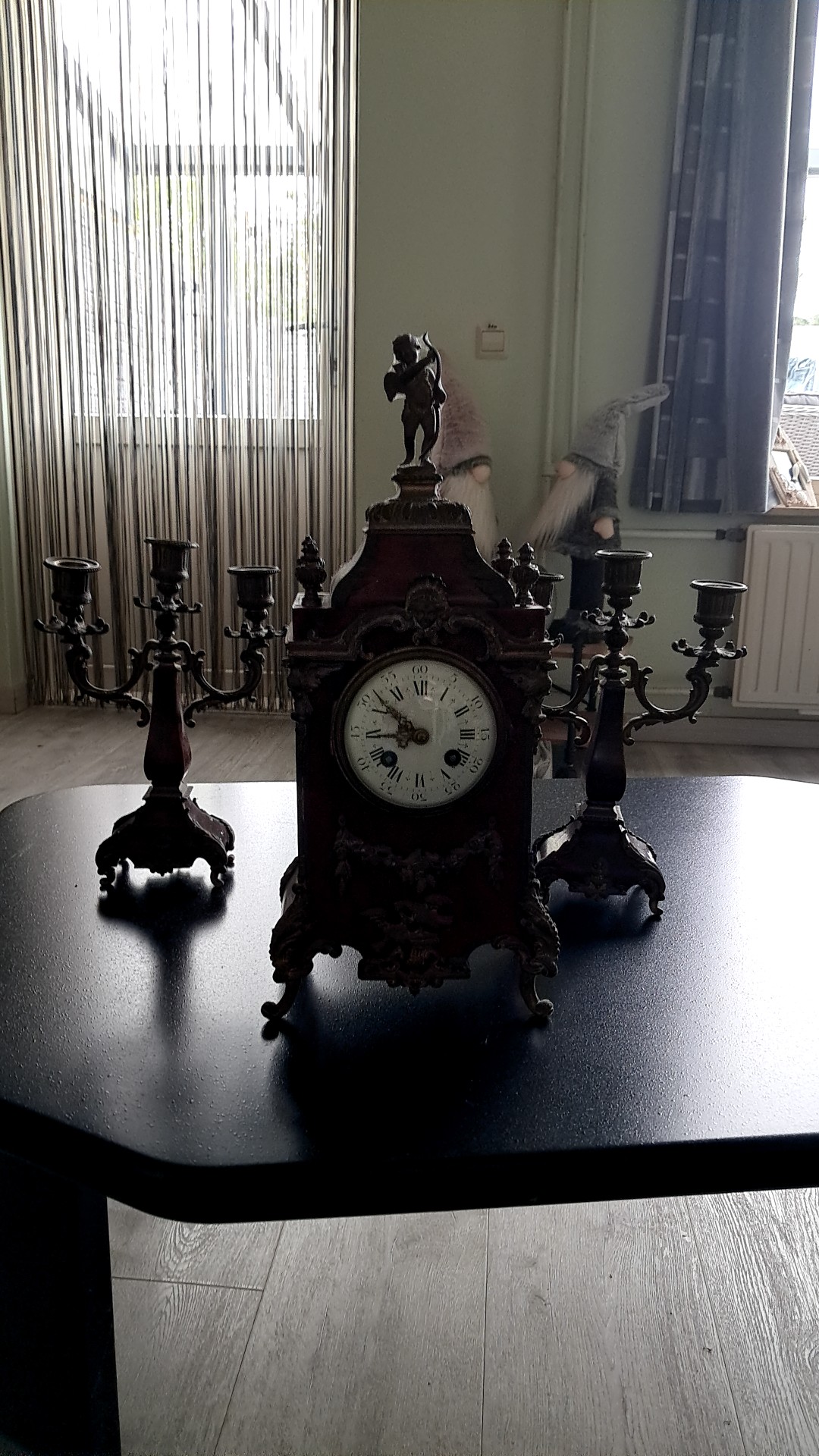
French Boulle Style Mantle Clock Garrison Garniture Set (c. 1880-1910)
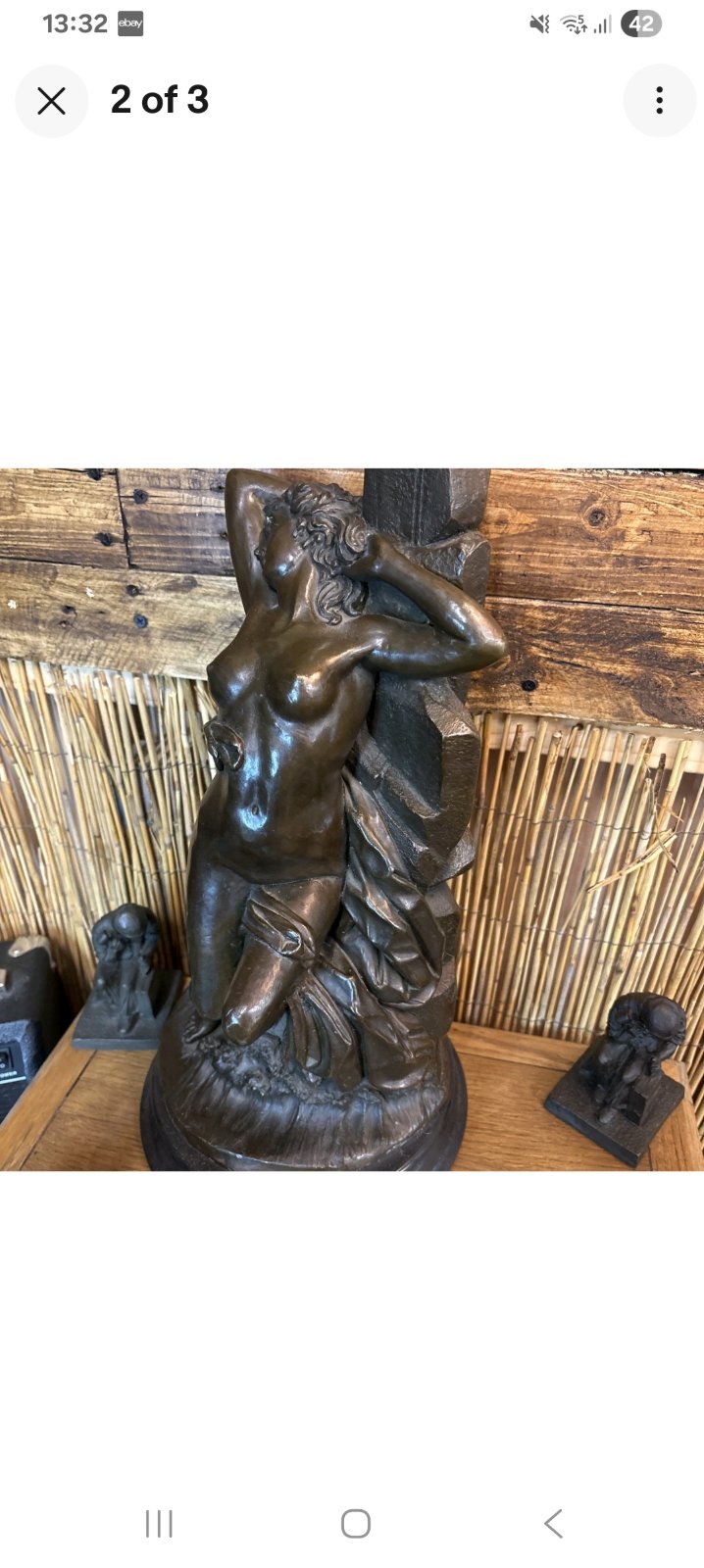
Mathurin Moreau (French, 1822–1912) - Andromeda, Bronze Figural Sculpture
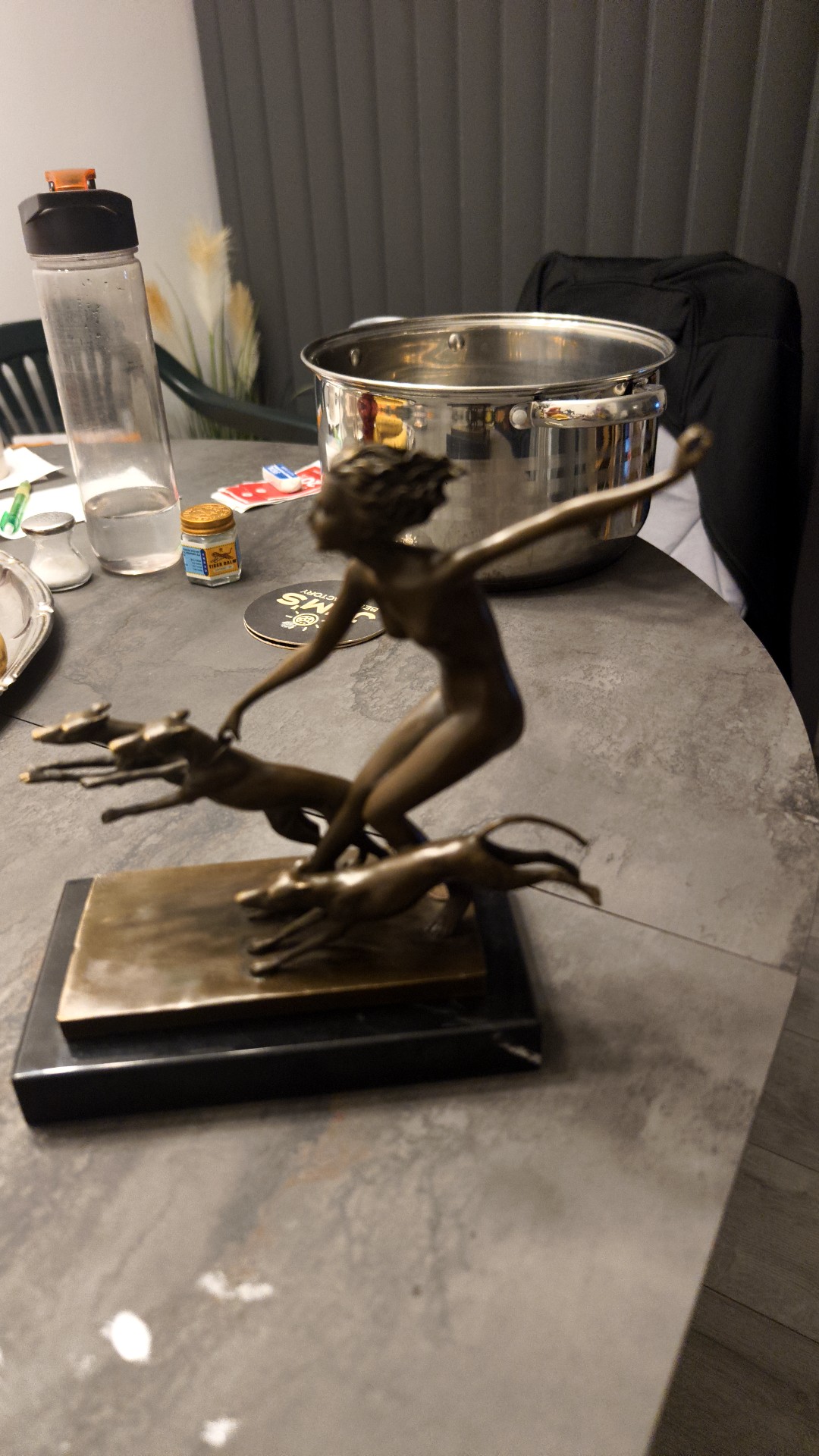
Art Deco Style Bronze Sculpture: Diana the Huntress with Hounds
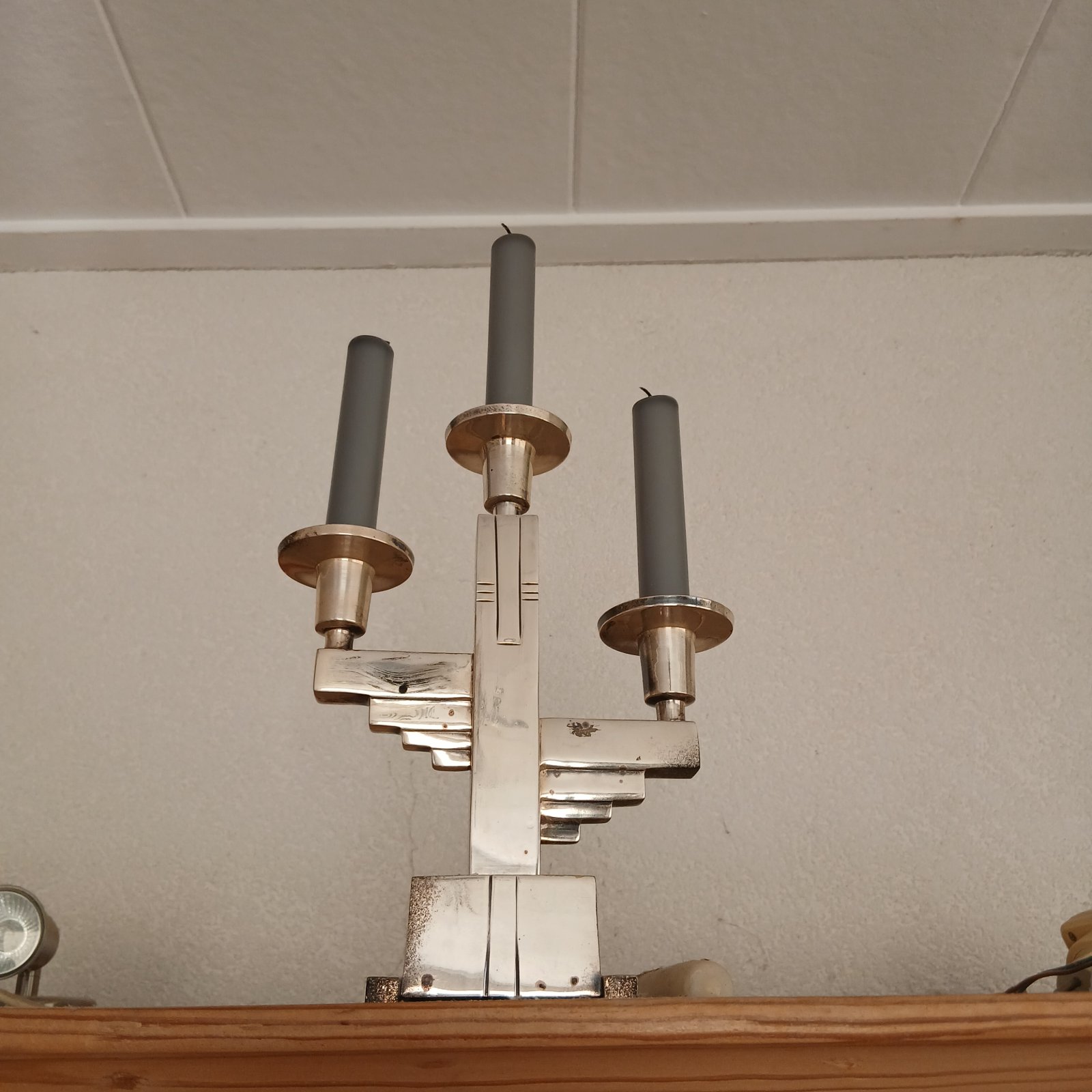
Art Deco Geometric Ziggurat Candelabrum c.1930
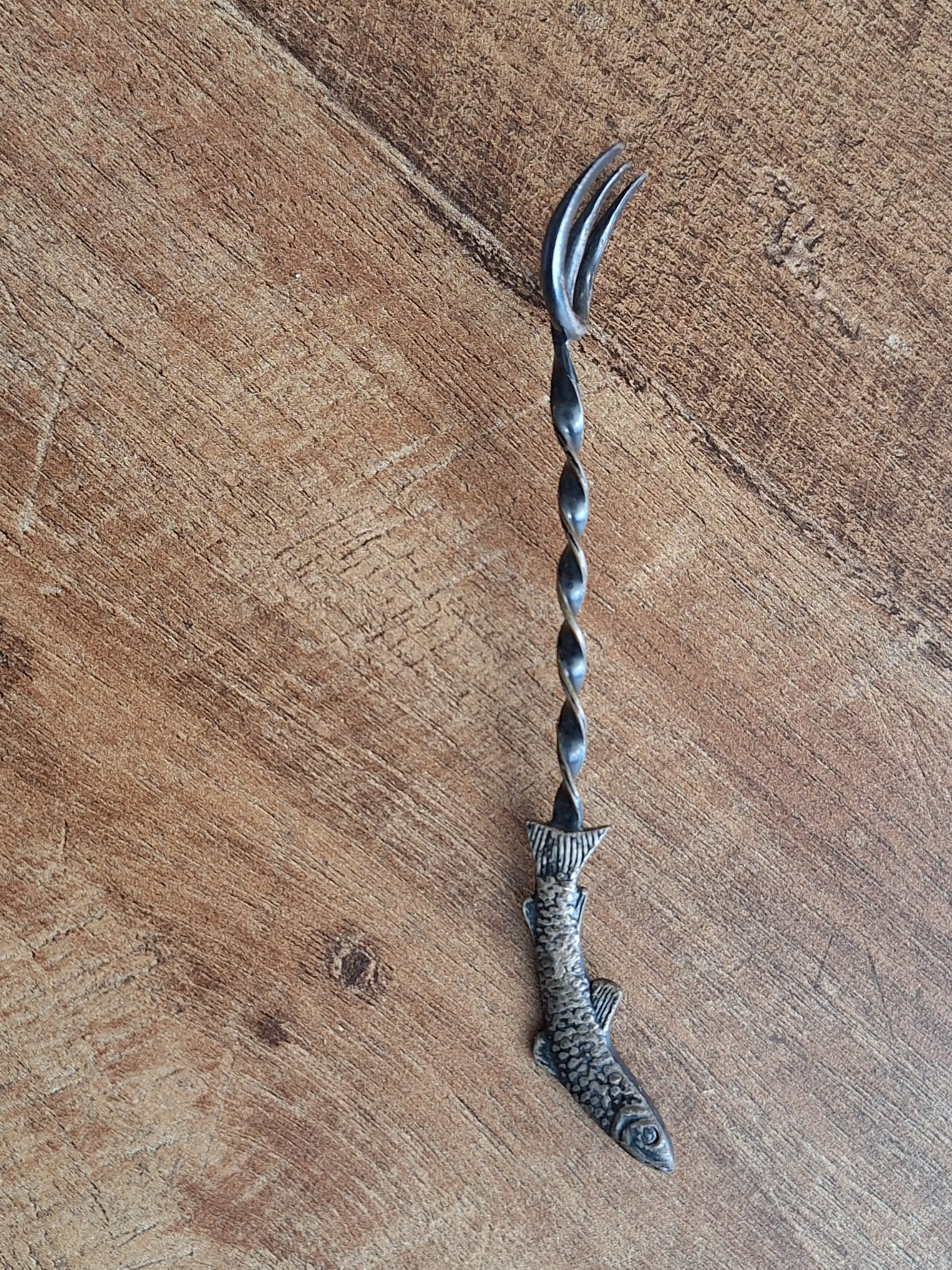
Silver Figural Sardine Fork with Barley Twist Stem
ABOUT ANTIQUES
Objects over 100 years old with historical and aesthetic value.
Antiques value and rarity guideSHARE THIS CURIOSITY
Have your own curiosities to discover?
Scan Your Curiosity
COMMENTS
No comments yet. Be the first to share your thoughts!
Sign in to leave a comment